-
"AGI doesn't just mean giving smart answers in a text interface. It means being able to do 90% of the work a remote worker can actually do."
-
Join the daily standup, figure out the day's priorities, handle assigned tickets, review code, monitor after deploy, roll back during incidents, check A/B test results and write reports, chat casually in the team channel. Through tools like Cursor and ManusAI, I'm already watching AI agents become capable of all of this, both now and in the near future.
-
These days many tech companies are cutting back on remote work and forcing people back into offices. But the kinds of work that were possible remotely can now be handed to AI. That may mean the collaboration skill humans need most is learning to give AI rich information about the world, clear context about situations, and better questions.
-
I've worked in Seoul, New York, LA, SF, across multiple levels, and one thing I learned is this: a salaried worker's pay is not directly proportional to their absolute capability. Costs of living vary, but for a single-income household of four, salary in each city tended to cluster around "hard to save much, but enough to live."
-
What we call work is a structure in which a person spends time and effort to create productive outputs and receives compensation in return, through salary or promotion. Under that definition, the wage system above used to feel fairly rational.
-
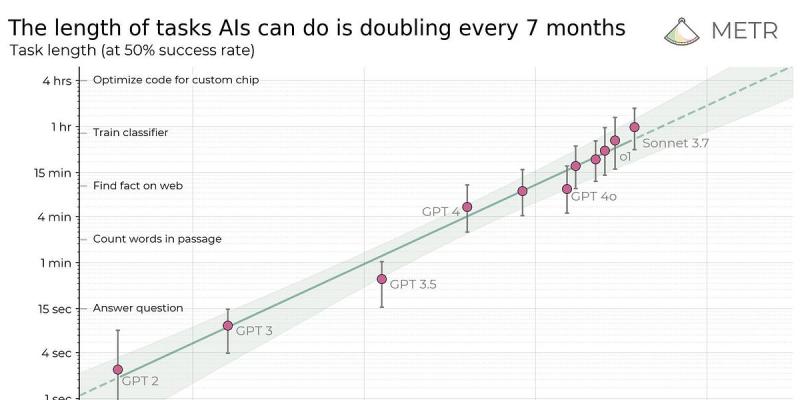
But watching recent progress in AI makes it hard to imagine that structure remaining intact. For example, a test suite that would take me, a fairly experienced programmer, more than 15 minutes to write can now be generated by an AI agent in under 5 minutes for less than $2.
-
Of course there are still many problems AI cannot solve on its own, and the reason AI is so cheap for us right now is because enormous capital has already been invested upstream. Even so, the force AI is already demonstrating makes it obvious that our way of working will change and will not go back.