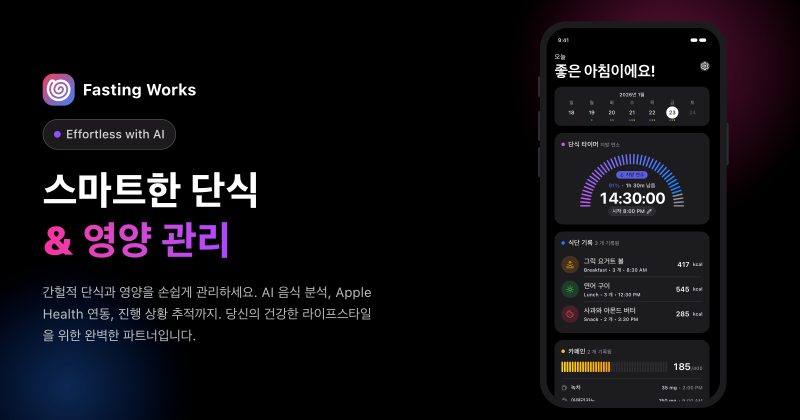
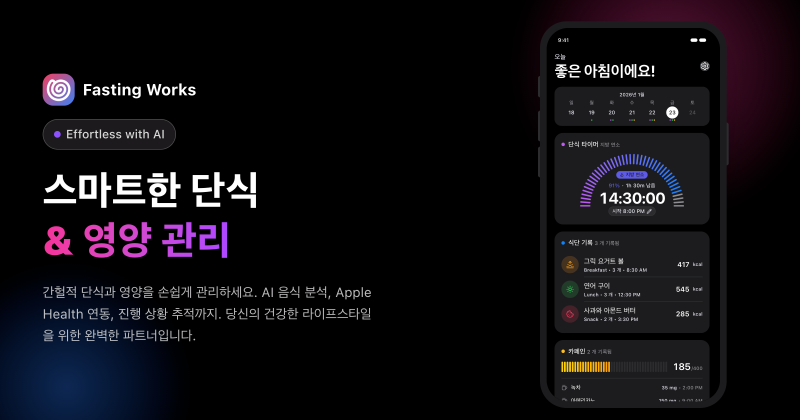
These days I record every part of my personal life and intentionally live with AI's help. When you wear an Apple Watch, it logs exercise, heart rate, sleep, and more 24/7. But one thing still does not get logged automatically: what you eat.
A simple app should be enough. Take one photo and have AI analyze calories, carbs, protein, fat, sugar, sodium, cholesterol, fiber, vitamins and minerals, caffeine, alcohol, and so on, then write the result into Apple Health. Yet that app does not exist. Everyone wants to force you to create an account, subscribe, and upload your health data to their servers. That is an approach from the last era.
Once I picked the right model and optimized the prompt, analyzing even micronutrients from a single food photo cost only about KRW 0.5 to 3. Charging $10 a month for this, refusing to sync the data back into Apple Health, and locking everything inside a siloed app annoys me deeply.
OpenAI has started a ChatGPT Health beta. What individuals care about is how to manage and use their own sleep, exercise, and nutrition data well. Mobile apps need to serve that need.
That is the perspective behind the app I built for my own use. For the past month, my whole family, including me, has used it every single day without missing one. Nutrition matters enormously to quality of life, but people do not log it because it is too hard to keep track of what they ate, how many calories it had, how much sugar and saturated fat it contained, whether they are deficient in vitamin D, and so on.
This app is easy, beautiful, and free. Try it.