This article introduces concrete strategies for revolutionizing job postings — the most undervalued aspect of startup hiring — to attract top talent. Instead of simply listing duties, show actual projects candidates will work on, use bold job titles and transparent hiring processes, and honestly reveal your company's unique culture. Remember: a job posting is not just an administrative document but your most powerful marketing tool that determines your company's first impression.
1. Show, Don't Tell: Let Candidates Preview the Actual Work
The most powerful hiring strategy is giving candidates a preview of the actual work they'll do. Most founders treat job postings as mere paperwork, but PostHog took a different approach and attracted tens of thousands of applicants and an outstanding team.
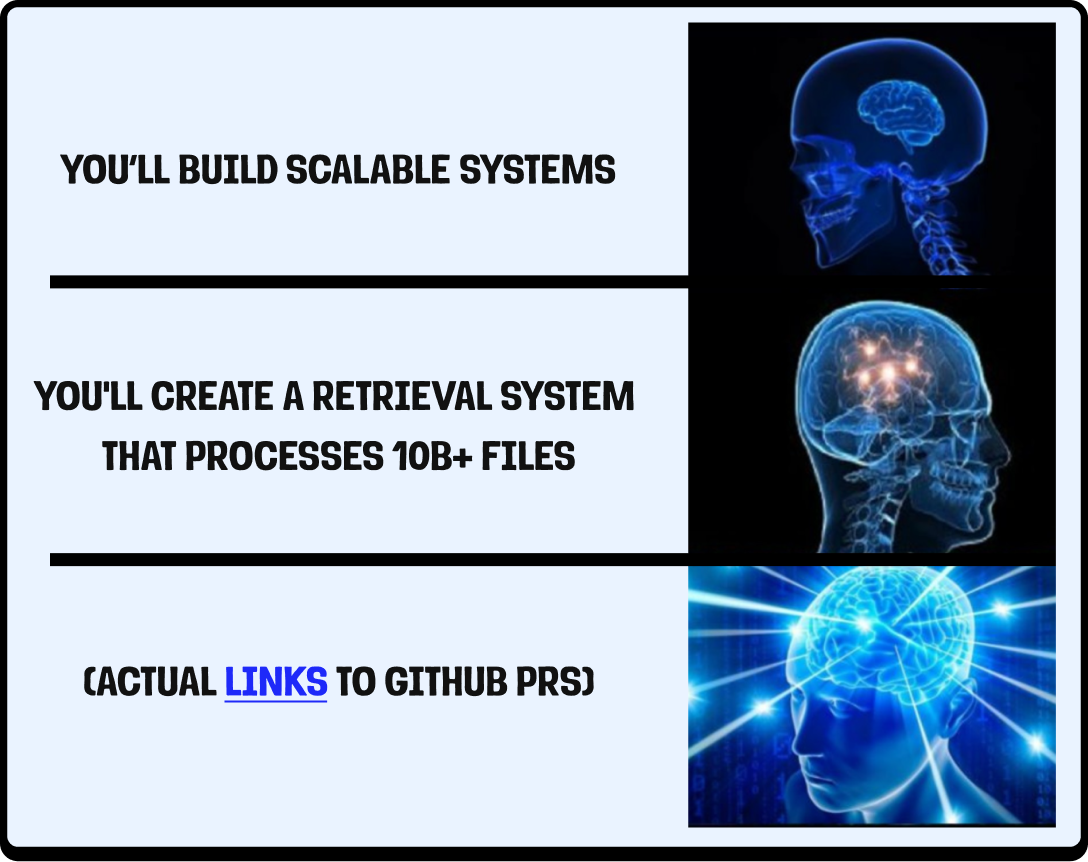
Instead of boringly listing job responsibilities, include a list of sample projects the role will work on. For example, companies like Cursor and Lovable specify concrete projects:
- Cursor (Software Engineer): Building search systems processing 10+ billion files, flame graph analysis for re-ranking library performance, etc.
- Lovable (Platform Engineer): Building runtime environments for AI agent workloads with security and scalability, etc.
If your company embraces open source, you can even attach actual PR (Pull Request) links for more specificity. This also has the hidden benefit of internally focusing evaluations on 'actual work ability' rather than credentials or experience.
Key Point: Actual projects help candidates confirm whether they're genuinely interested in the work, not just whether they meet qualification requirements.
2. Sell the Work Itself, Not the Perks
Perks are great and transparent salary disclosure is admirable. But what ultimately convinces so-called 'cracked' engineers is work that makes their heart race.
Ask current team members what made them decide to join, and put those answers in the job posting. Specific, interesting work descriptions are far more effective than mission statements filled with flowery language.
- PostHog (AI Product Engineer): "You'll make an impact from day one. Building agents on real customer data, not toy demos."
- Vercel (Software Engineer): "Contribute to open source community and participate in discussions."
- Exa: "We have a $5M GPU cluster lighting up tens of thousands of machines."
- Mintlify: "Working on a documentation platform used by 100M+ developers annually."
- Railway: "Almost no meetings. Brief check-ins on Mondays and Fridays only. Your time matters."
Key Point: Ambitious people aren't just looking for a paycheck — they want to learn, grow, and feel a sense of accomplishment. Your value proposition is the work itself, the culture, and the equity. Sell those!
3. Use Job Titles to Filter Candidates
Generic titles attract generic applicants. PostHog initially tried hiring a 'Product Marketer' but was overwhelmed by overly corporate candidates. But when they changed the title to 'Developer Marketer,' unique candidates who could both code and write started applying.
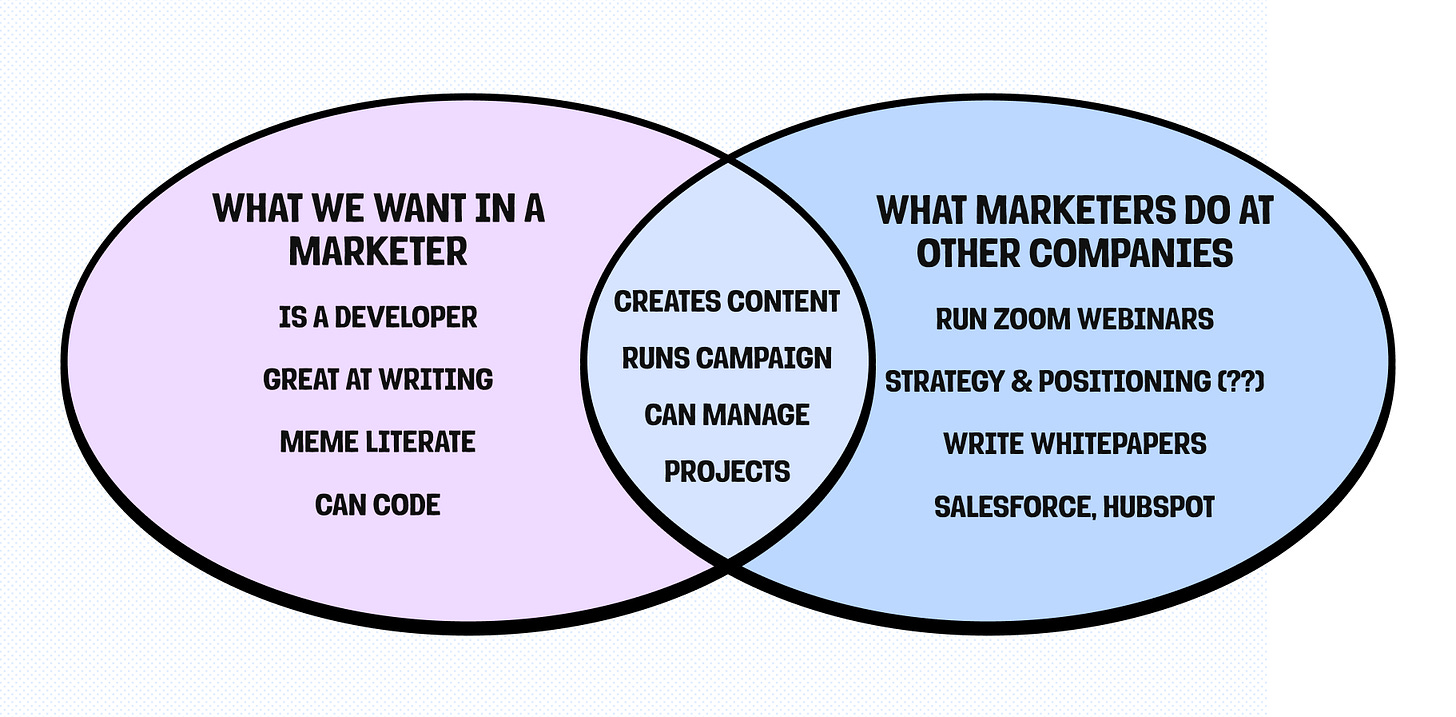
Creatively adjust titles to match your ideal candidate. For example, use 'Propagandist' instead of 'Ad Copywriter' to find people with bold energy rather than cookie-cutter marketing copy. This naturally filters out people seeking traditional roles and excites versatile 'M-shaped' or 'T-shaped' talent.
Key Point: Every title carries stereotypes. By clarifying the uniqueness of the role, you can attract the unconventional applicants you actually want.
4. Eliminate Nightmare Interview Processes and Be Transparent
Everyone has heard horror stories about 10+ stage interviews, unpaid assignments, and companies that ghost candidates. If you don't clearly communicate your hiring process, candidates will assume your company does all of those things.
Capable people are busy. Transparently disclosing your hiring process shows you respect their time.
- Supabase: Details a "simple and async-friendly" 4-step process.
- PostHog: Specifies a 4-step process from culture, technical, and founder interviews to a paid ($1,000) 'SuperDay.'
- Railway: Discloses a 6-step process including async projects and CEO conversations.
This makes the company more accountable for its hiring process and gives candidates a positive first impression of company values.
Key Point: Clarifying the hiring process and including it in the posting significantly impacts candidate experience and makes it easier for talented but busy potential hires to apply.
5. Job Postings Are Marketing: Infuse Your Personality
A job posting may be someone's first encounter with your company. Especially for early-stage startups, a LinkedIn job posting might get more views than your company landing page. Every view is an opportunity to introduce your brand to potential customers, investors, or colleagues.
Write like marketing copy: lead with your value proposition, drop the jargon, and infuse personality.
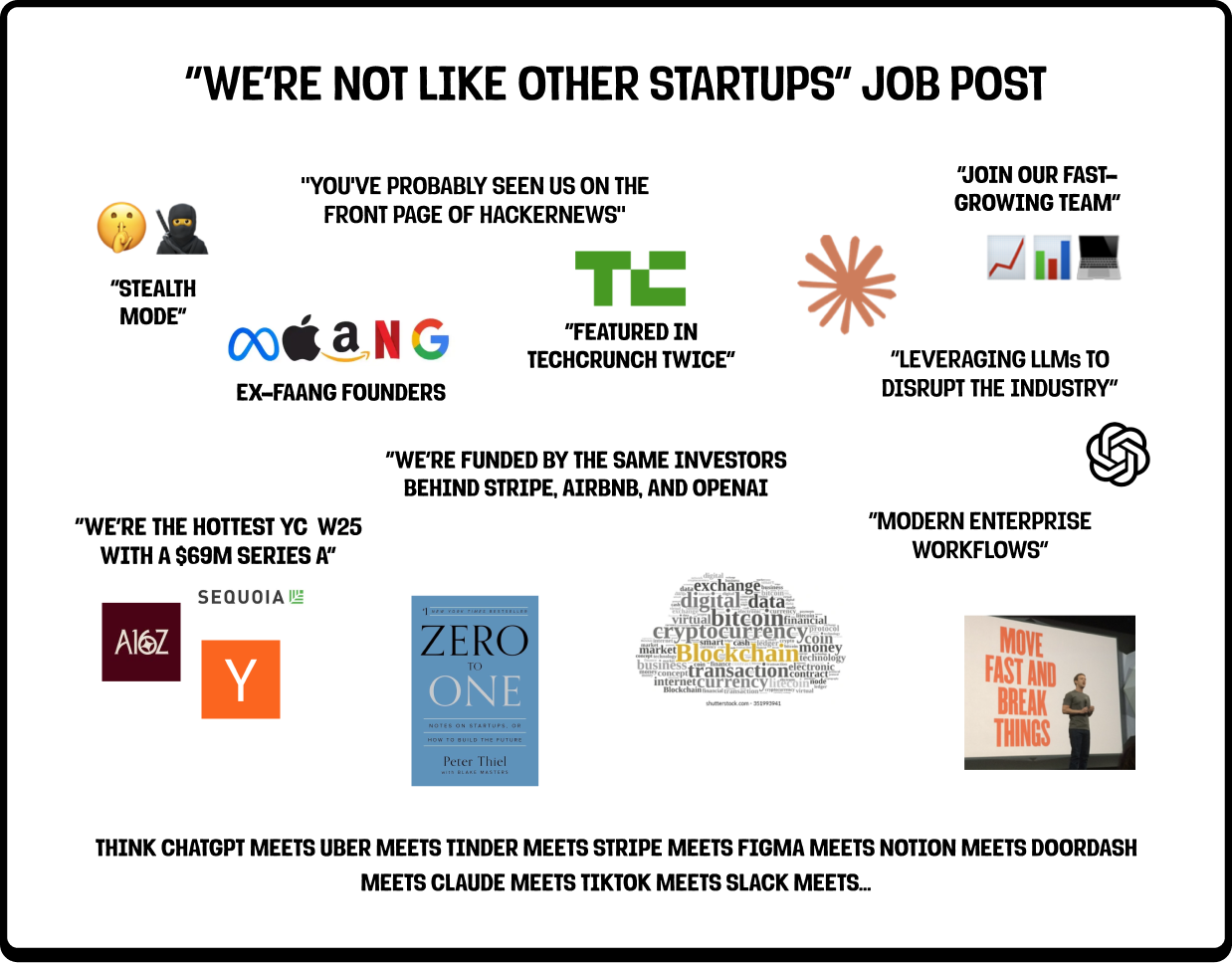
Write as casually as talking to a friend, like the Bolt.new team or PostHog. Highlight what makes your company unique, and don't be afraid to show your extremely technical or quirky side. A little bragging is fine, and humor is welcome too.
- "Find things to work on and just git it done." (PostHog Platform Engineer posting)
- "We don't think B2B SaaS needs a TikTok dance challenge, but we need someone to confirm that." (Social poster posting)
Key Point: More people will read your job posting than your landing page. Don't waste that opportunity.
In Closing
A good job posting isn't just about filling a vacancy — it's a signal that calls the right people who fit your company's culture and vision.
- Show the actual work (projects),
- Persuade with challenging tasks,
- Narrow the target with creative titles,
- Disclose the hiring process transparently, and
- Infuse plenty of company personality.
Remember these 5 principles, and you too can create magnetic postings that attract 10x engineers.