This report analyzes the Starbucks Korea incident that occurred in May 2026 and presents why the company's crisis management failed and how effective responses should work. Crisis management expert Kim Ho, CEO of The Lab h, says that in a crisis the 3H principle of Hand, Head, and Heart matters, and he points out that Korean companies are especially weak at handling Heart. The report argues that Starbucks Korea lost public trust because of a speed-first response, an apology that sounded like an excuse, the lack of bold action, and an organization that had manuals but no culture. It emphasizes that true crisis management rests on prevention, the leader's attitude, and honest upward communication.
1. What Crisis Management Requires: Hand, Head, and Heart
LongBlack friend B watched the Starbucks Korea incident in May 2026 and wondered why companies become so powerless in the face of crisis. To understand why so many companies shake in similar ways, B visited Kim Ho, CEO of The Lab h and an expert in crisis management. Kim has studied and taught crisis management for the past 30 years, yet he said he feels frustrated that Korea rarely produces crisis management cases that feel truly well handled. He named three reasons:
- Companies do not study in advance: Most companies do not believe a crisis will happen to them.
- They do not understand with the heart: They fail to read the situation from the victim's standpoint and fail to empathize.
- They do not execute: Even when they know and understand what to do, larger organizations often fail to turn it into action, and decisions become slow and distant from public sentiment.
Kim emphasized that the best crisis management expert must be the leader. Behind successful crisis management, there has always been a leader with good judgment. He compares a corporate crisis to a fire: the fire cannot be put out simply by moving the hands. The head and heart must move together. This is the 3H principle.
- Hand: Managing the incident, such as stopping a campaign or issuing refunds.
- Head: Making legal and financial judgments, usually with lawyers and accountants involved.
- Heart: The area of empathy and understanding that reads and soothes the feelings of victims, consumers, and society. This is where Korean companies are weakest.
Crisis responses where the heart plays an active role are often remembered as the best responses. Even if an incident is managed well and legal steps are handled perfectly, the crisis has not truly been managed if consumers' anger and anxiety remain.
What Was Different About Tylenol and Maple Leaf Foods?
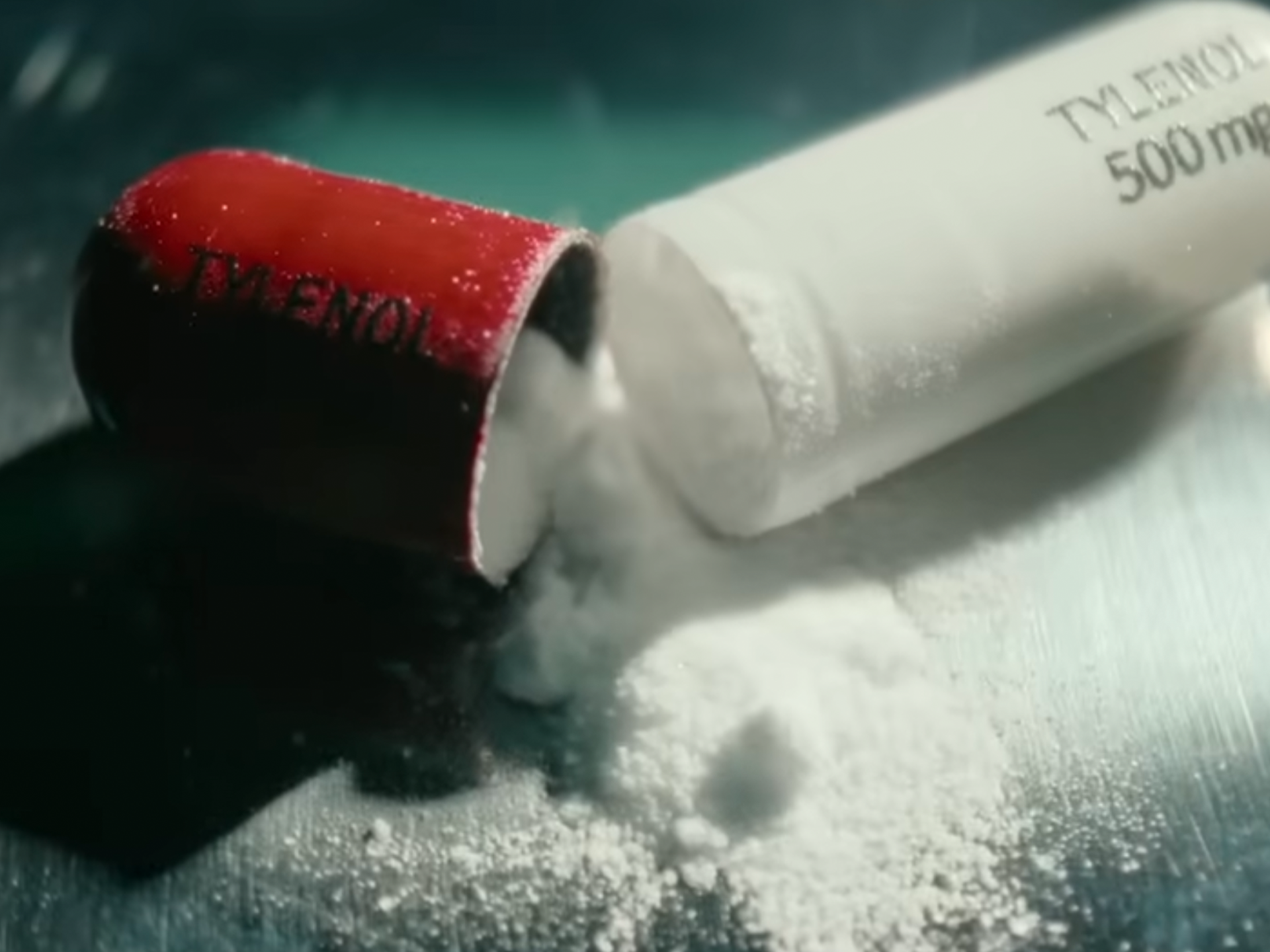
The Tylenol poisoning case (1982): Seven people died after poison was inserted into Johnson & Johnson's Tylenol capsules. Legally, Johnson & Johnson was also a victim, but CEO James Burke focused on the question, "How do we protect anxious citizens?" Following the company's Our Credo, he emphasized that the company's first responsibility was to everyone who used its products and services, including patients, doctors, nurses, mothers, and fathers. Protecting people became the top priority.
"We believe our first responsibility is to the patients, doctors and nurses, to mothers and fathers and all others who use our products and services."
Based on that belief, Burke took the bold step of immediately recalling 31 million bottles of Tylenol across the country. It was a scale even health authorities had not expected. It was a Heart response that placed consumer safety first.
The Maple Leaf Foods listeria outbreak (2008): In Canada, 22 people died from listeria infections, and Maple Leaf Foods processed meat was identified as the cause. CEO Michael McCain did not wait for final test results. He voluntarily recalled more than 220 products and closed the plant. Without making excuses, he declared:
"I will take full responsibility. The buck stops here."
McCain later said that throughout the crisis he intentionally did not listen to some advice from lawyers and accountants, because his priority was to reassure consumers rather than reduce legal liability. Both companies faced crises large enough to shut them down, but because they handled the Heart, they quickly recovered consumer trust and market share. 👏
2. Starbucks Korea's First Mistake: It Moved Fast, but Missed the Essence of the Golden Time
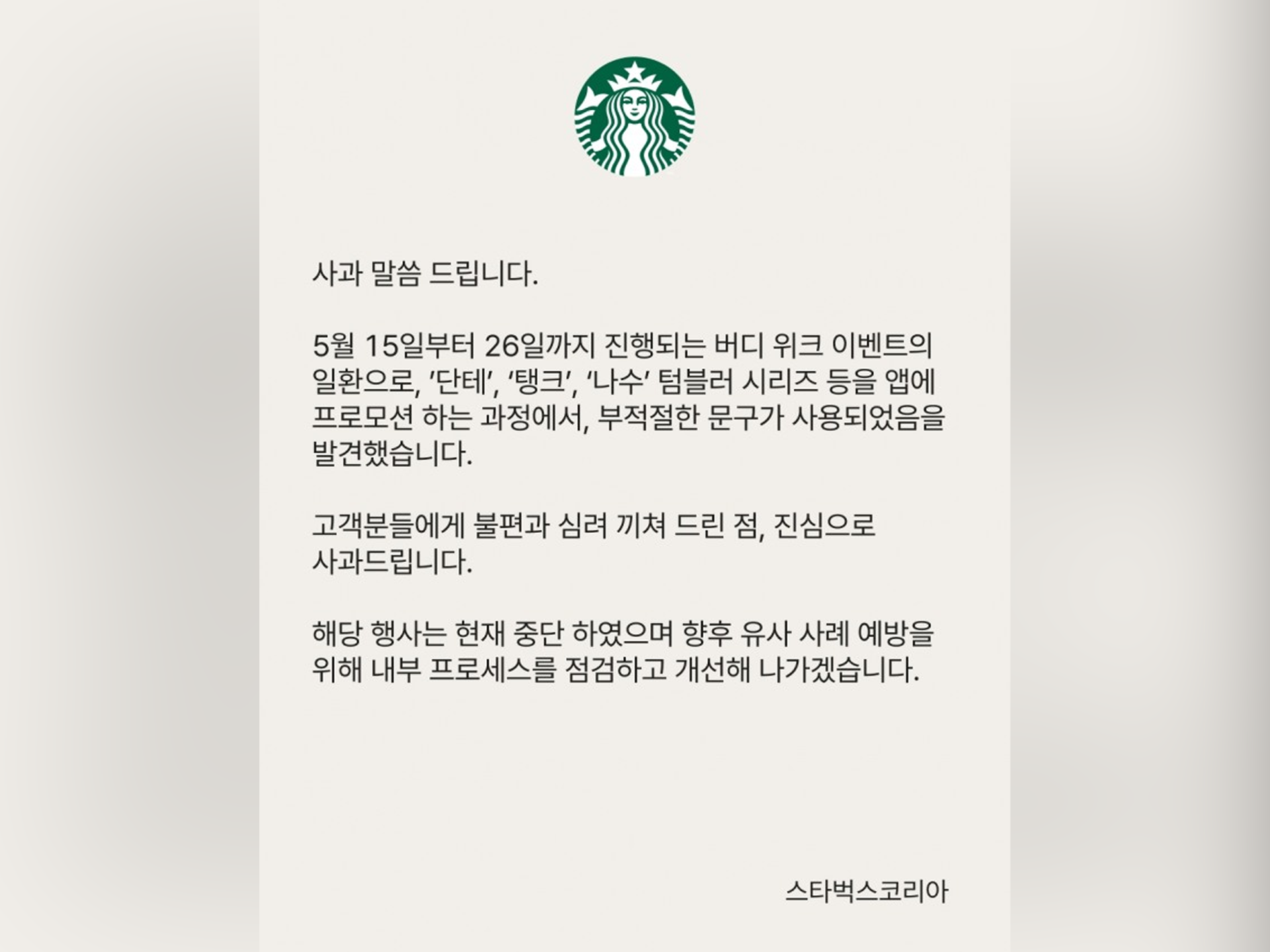
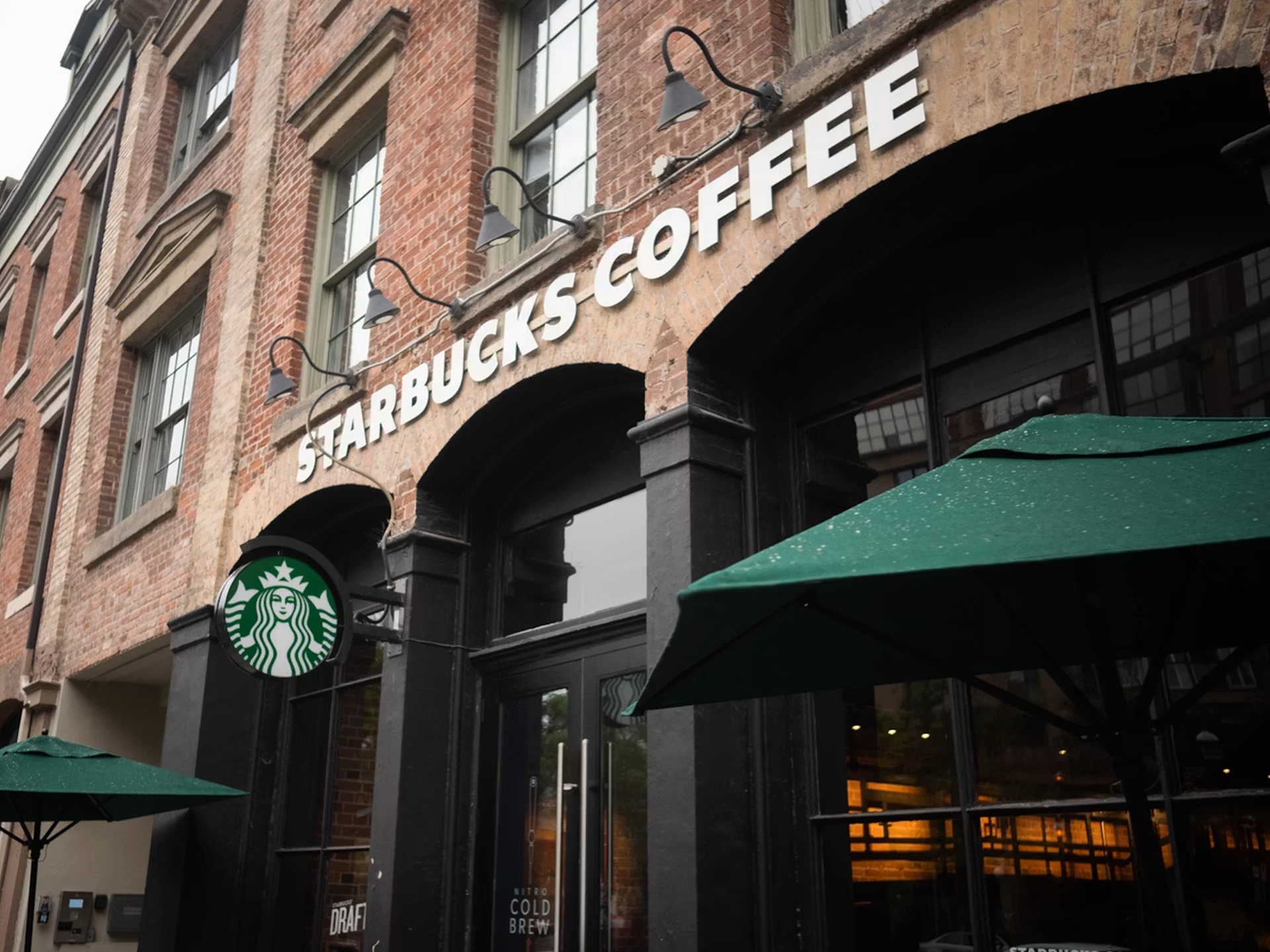
Starbucks Korea responded quickly in this incident. On the afternoon of May 18, when the controversy began, it immediately took down the campaign, replaced the CEO, and released a first apology that evening. But public anger did not subside. Kim Ho says Starbucks Korea failed because it did not read the new formula for the golden time in an age dominated by AI and social media. ⏳
The golden time in crisis management is not an absolute number. It changes depending on the nature of the crisis. In a case like the Starbucks incident, where nationwide anger ignited at extreme speed, the golden time can shrink from 24 hours to only a few hours.
What Should Be Offered During the Golden Time?
The first thing a company must offer during the golden time is not the perfect truth. It is the will to investigate transparently. In this Starbucks case, the question in everyone's mind was, "How on earth did this happen? Did someone do it deliberately?" What public opinion filled with suspicion needed most was a declaration that the company would answer that suspicion directly.
Kim Ho recommends the 5W1H of the golden time:
- Quickly disclose confirmed facts about what happened, when, and where.
- For the unresolved why, who, and how, strongly declare, "We will investigate and disclose everything transparently."
Starbucks' first apology lacked this will to investigate transparently. Before racing to replace the CEO, it was more important to show a clear will to investigate transparently. 😥
What Victims Really Want
Another important thing to do within the golden time is to build a channel of trust with victims. The first priority is understanding what victims want. Park Kang-bae, executive director of the May 18 Memorial Foundation, identified the essence of the issue this way:
"Whether it was intentional or illegal is secondary. Why were they unable to think of this in the first place?"
In the end, the core issue returns to transparent fact-finding.
One useful reference is the 2018 racial discrimination incident at a Starbucks in Philadelphia. At the time, Starbucks CEO Kevin Johnson apologized two days after the incident, calling it "reprehensible," and met the victims with their consent. He did not simply show up unilaterally; he respected the victims' wishes.
Another representative case of transparent investigation is the BBC's Jimmy Savile sexual abuse scandal in the United Kingdom. The BBC promised to conduct an objective investigation and appointed Nick Pollard, a former head of rival Sky News, as chair of the inquiry. That showed a strong commitment to securing objectivity.
The essence of crisis management is earning victims' trust. In the Starbucks Korea incident, what victims wanted was not a fast apology but a proper apology. What was needed for that was a promise, and execution, of transparent fact-finding.

3. Starbucks Korea's Second Mistake: The Apology Needed Review, Not Just the Campaign
Before publishing a public apology, a company must read it from the victim's perspective and check what feelings it creates. The apology must center the victim, and expressions that victims would find difficult to accept should be removed or changed. 📝
Shinsegae chairman Chung Yong-jin's public apology on May 26 began clearly: "All responsibility for this incident is mine. It is my fault." He also mentioned the May 18 Democratic Uprising bereaved families, the family of Park Jong-chul, and the citizens of Gwangju one by one, placing the victims first. Up to that point, it was a good start. 👍
But the problem came later in the apology. Even after saying he would make no excuses, the following sentences were included:
"I believe this is a time when we need more effort to understand one another and move forward together. Each of us may think differently, but I believe we all share the same desire to make a better Korea and leave a better world to future generations."
A Real Apology Focuses Only on One's Own Wrongdoing
Kim Ho calls this kind of apology a non-apology apology. It sounds like an apology but is not really one. A common version uses the word "but," or creates a structure that is ultimately read that way.
A proper apology should focus only on one's own wrongdoing. Was it necessary to include language that sounded as if it was teaching the other side?
Victims' reactions were indeed cold. Park Kang-bae said he could not quite understand whether it was an apology or an attempt to make excuses. In other words, the company that created a crisis by failing to filter problematic campaign wording once again failed to filter problematic wording in its apology. 🤦♀️

4. Starbucks Korea's Third Mistake: There Was No Bold, Future-Oriented Action
The real contest in crisis response begins after the apology. Restoring broken trust ultimately depends on how boldly and fundamentally the company changes. In this Starbucks Korea response, that kind of boldness was missing. 😟
Starbucks Korea moved quickly after the incident. It disclosed the results of its internal investigation, dismissed or excluded the CEO and relevant executives and employees from their duties, acknowledged defects in a verification system that failed to catch the draft despite a four-stage approval process, and promised a group-level full review of decision-making structures and marketing review systems.
This looks like a sincere response, but at its core it is close to punishing the people responsible and promising to "review things going forward." Cutting responsible people is the easiest choice, and saying the company will review the system is still future tense. What the public wanted to see was not someone's resignation letter, but a visible action showing what and how the company would change.
The Starbucks in the United States Was Different in 2018
A contrasting case is Starbucks U.S.'s response to the 2018 arrest of two Black men in Philadelphia. CEO Kevin Johnson did not stop at an apology without excuses. On May 29 of that year, Starbucks closed more than 8,000 U.S. stores for the entire afternoon. 🚪 The purpose was anti-racial-bias training for 175,000 employees.
This action gave up roughly $16.7 million, or about 23 billion Korean won, in sales and was described by experts as unprecedented. The key was visibility. Instead of only promising change in words, the company proved its will to change through an action that made the entire company stop.
Tylenol Changed the Shape of the Medicine
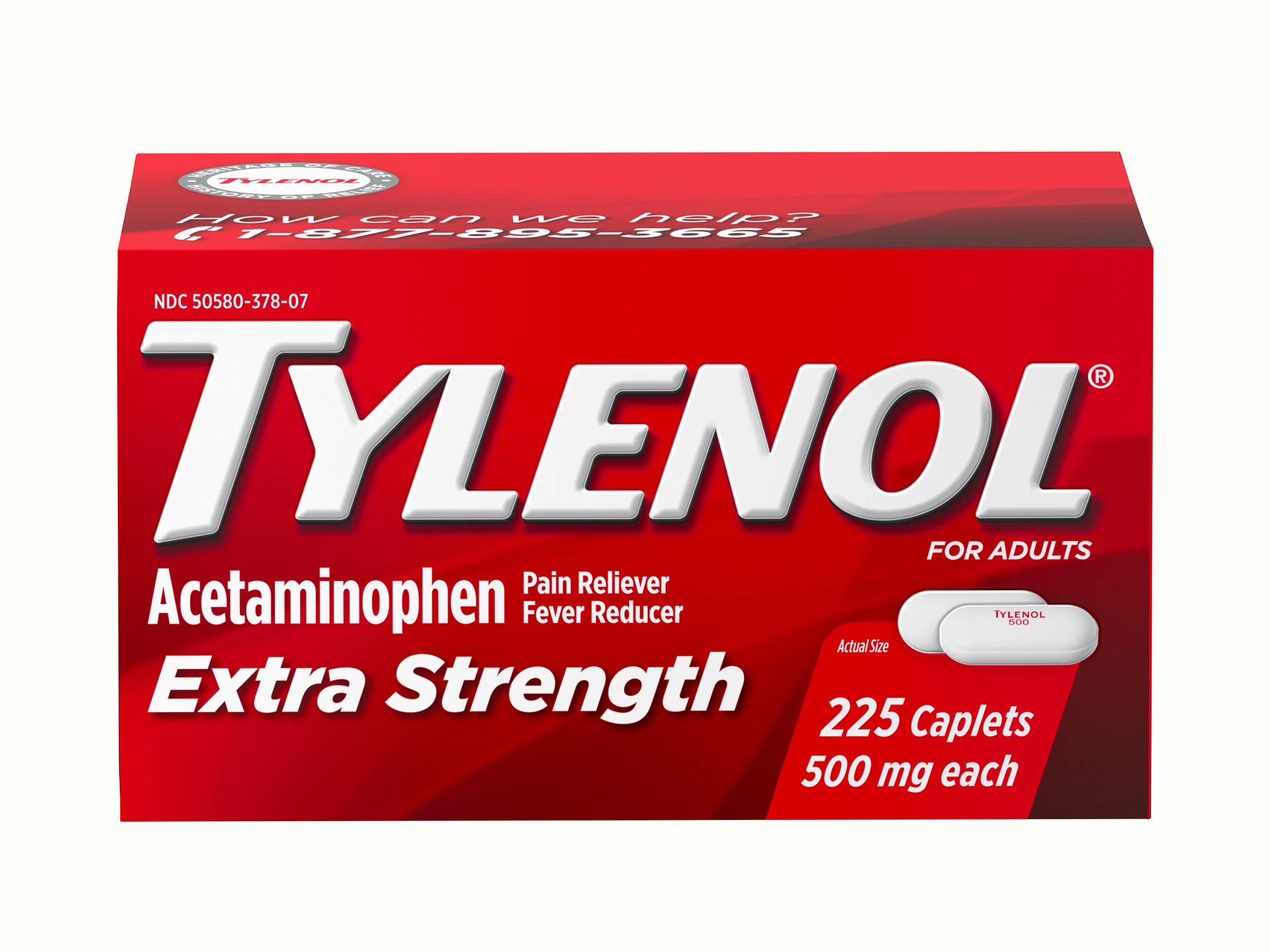
The Tylenol case clearly shows what it means to change something fundamental. After the poisoning incident, Johnson & Johnson did more than introduce tamper-resistant packaging. In 1986, it gave up capsules entirely and changed the product into a solid caplet form. 💊 It removed the possibility that someone could tamper with the medicine. That was a future-facing decision that changed not the packaging, but the essence of the product.
Thanks to that boldness, Tylenol's market share, which had been around 35%, once fell to 8% but recovered to its pre-incident level in about a year.
Starbucks Korea did not have to close stores nationwide or change a product. The nature of the issue was different. But what if there had been one bold, future-oriented action the public could see, beyond the promise to "review the approval system"? The final step in crisis response is always there: proving change through action that exceeds expectations. ✨
5. Starbucks Korea's Biggest Mistake: It Had Manuals, but No Culture
The best crisis management is not putting out a fire well after it breaks out. It is preventing the fire from starting in the first place. That is prevention. And prevention is completed not by manuals, but by culture. 💡
Starbucks Had a "Headline Test"
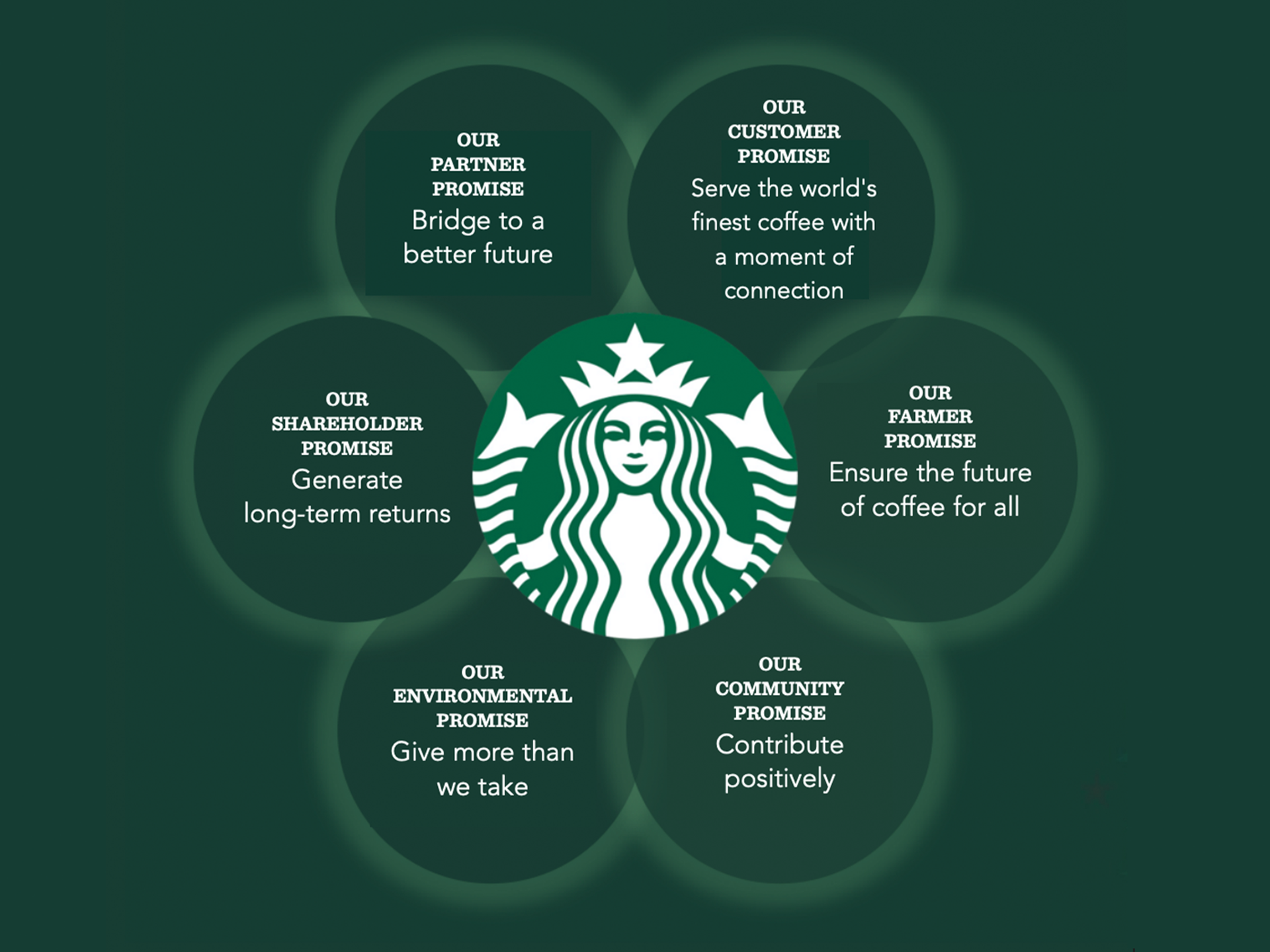
Surprisingly, Starbucks headquarters publicly shares its Ethics & Compliance code on its website, including a checklist for making the right decision. One item asks, "How would my decision look if it appeared in the press?" This is the so-called headline test. 📰 It means Starbucks Korea had a system that could have filtered the crisis. In addition, the Tank Day plan went through four stages of approval, from working-level staff to the CEO.
In other words, there were safeguards and four chances to stop the crisis. Yet the "Tank Day" draft still passed through. 😔
When a Manual Becomes a Dead Document
Why did this happen? Because even an excellent manual becomes a dead document if there is no culture that makes it come alive. Kim Ho says he refuses crisis management consulting requests that only ask him to make a manual. Manuals easily fall asleep inside cabinets.
The Netflix documentary Downfall: The Case Against Boeing shows this well. The two Boeing 737 Max crashes in 2018 and 2019, which killed more than 300 people, did not happen because there were no safety procedures. An organizational culture that suppressed frontline concerns from moving upward buried even the chance to prevent the second disaster. 😱

What an Organization With Living Manuals Looks Like
There are also examples of organizations where manuals are alive. One global company among Kim Ho's clients runs crisis prevention projects and response simulations every year even when no crisis has occurred. When an accident happens at another company, it practices in advance by asking, "How would we respond if the same thing happened to us?" It also sets facility safety standards far beyond government requirements.
The CEO of this company returned to Seoul on the date of crisis response training even in a year with no crisis, completed the training, and then went back to Europe to finish a business trip. The reason was:
"It may not feel urgent because it is training and not an actual situation, but safety and crisis prevention are more important than anything else."
This is how the leader's attitude makes a manual breathe.
Was There Really No One Who Had Doubts?
Returning to Starbucks Korea, during the Tank Day planning process and four stages of approval, was there truly not a single person who had doubts? According to Shinsegae's statement, no one raised doubts. But was there not even one person who felt doubts? Perhaps something bothered someone, but the atmosphere did not allow them to say it out loud. 🤫
MIT professor Edgar Schein, a major scholar of organizational culture, said that if you want to understand a culture, look at upward communication. The real culture of an organization appears in whether people in lower positions are afraid to raise problems or questions they find in the field to those above them.
His solution was not to order people to "speak honestly from now on." It was to change the questions leaders ask. He called this humble inquiry. Under a leader who, after a crisis, interrogates people by asking "Didn't you read the manual?" or commands "Report everything to me from now on," no one will open their mouth.
What if the leader asked instead:
"What do I need to change so that you can comfortably tell me about problems you feel while working?"
Prevention is ultimately completed in a culture where a person who has doubts can speak those doubts out loud. 🗣️

Conclusion
Kim Ho explains that a company's crisis management level can be divided into bronze, silver, and gold.
- Bronze: A company that responds properly after a crisis erupts, soothes victims' anger, and recovers trust through bold action.
- Silver: A company that learns from a crisis and actually changes afterward, as Tylenol did when it changed not only its packaging but the form of the medicine itself.
- Gold: A company that prevents a crisis before it erupts. The best companies first notice the signals of risks that are still dormant, not only crises that have already broken out.
The Starbucks Korea incident shows that many companies repeat similar mistakes. A crisis can come to anyone at any time, and what matters is asking in advance whether our organization could act differently from Starbucks Korea when a crisis arrives, and preparing ahead of time. 🧐 True crisis management capability comes from a leader's attitude, organizational culture, and constant effort toward prevention.