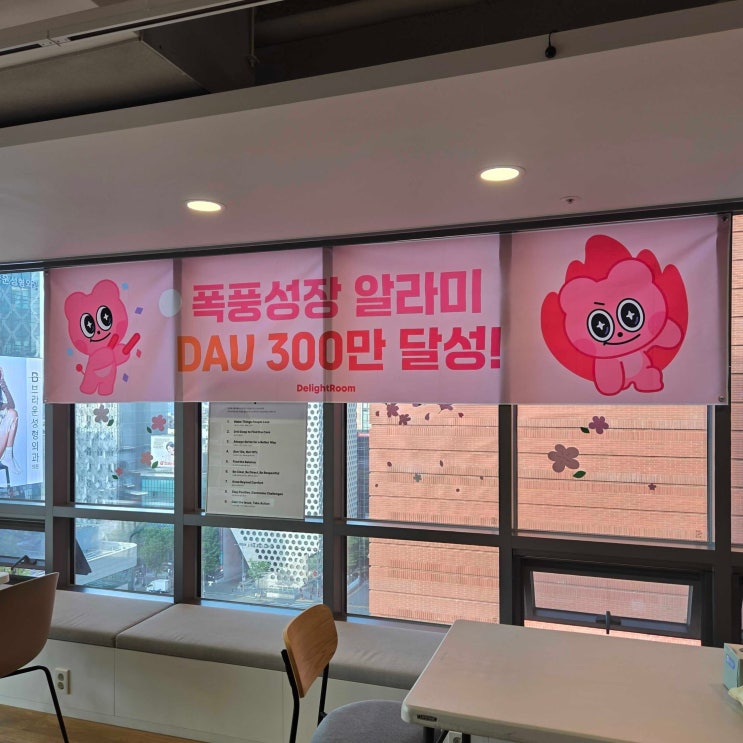
Delightroom explains chronologically how they achieved rapid growth to 3 million daily active users (DAU) with their alarm app 'Alarmy.' The article covers why and how a key metric that had stagnated throughout 2024 dramatically surged in the first half of 2025, walking through the process of practical performance improvement through organizational culture, work methodology, focus, and change. It illustrates how smooth acceptance of change, enthusiastic participation by team members, and clear execution principles translated into 'momentum,' accompanied by charts, memorable quotes, and images.
1. Reaching 3 Million DAU: More Than Just a Number
Last week, Delightroom celebrated Alarmy reaching 3 million DAU with a small party. While many services see user growth that does not directly translate to revenue, Alarmy's ad revenue structure means that traffic growth directly converts to revenue growth.
"Alarmy is the type of service where traffic growth almost directly translates to revenue growth. Especially considering the nature of an alarm service that is used almost daily and repeatedly, DAU is one of the most important metrics we track at Alarmy."
Emphasizing the importance of DAU, the article shows through a graph that DAU had been stagnant in a 2.2 to 2.4 million range for over a year throughout 2024.
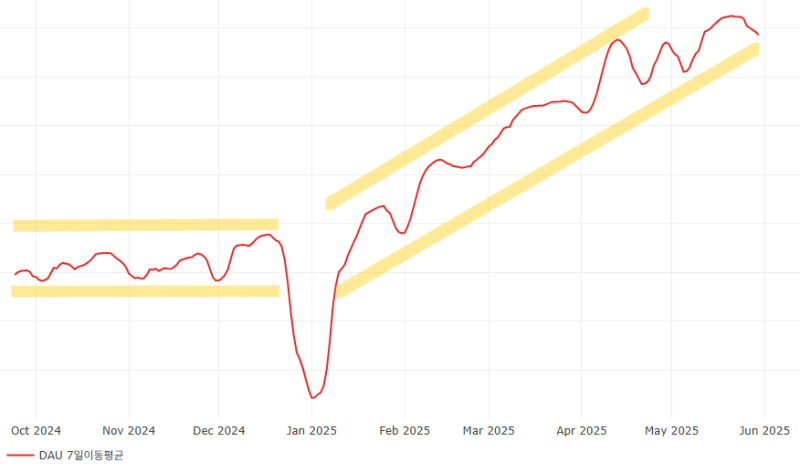
While revenue still grew modestly during this period, this was mainly due to ARPDAU (average revenue per daily active user) increases, while DAU itself struggled to show visible growth.
2. 2025: The Start of a Dramatic Turnaround
Starting from January 2025, Alarmy's DAU graph began climbing at a remarkably steep rate. After a natural year-end/new-year dip (more users turning alarms off), a genuine turnaround had taken place. What was behind this rapid DAU growth after such a long plateau?
Here, the author draws inspiration from management guru Kenichi Ohmae's words, connecting three methods for changing individuals with principles for organizational change.
"There are only 3 ways to change a person: use your time differently, change where you live, or meet new people. Without these 3 methods, people do not change. 'Making a new resolution' is the most meaningless act." -- Kenichi Ohmae, Nanmon Kaitou
Adapted for organizations, this becomes:
"There are only 3 ways to change organizational performance: change how you work, do new things, and hire new people. Without these 3 methods, organizational performance does not change. 'The same people doing the same things the same way while resolving to try harder' is the most meaningless act."
At Alarmy, changes were made across all three of these methods.
3. 'Execute If You Want Results' -- Adopting a Concrete Execution Framework
In December 2024, CPO Ina joined the team and introduced the book The 4 Disciplines of Execution (4DX). Though team members were initially skeptical, after experiencing actual changes in how they worked and their priorities, they felt clear results within a month. The book's core message is to focus on exactly 4 principles:
Principle 1: Focus on the Wildly Important Goal Principle 2: Act on Lead Measures Principle 3: Keep a Compelling Scoreboard Principle 4: Create a Cadence of Accountability
Based on this simple structure, the following concrete changes were driven within the organization:
4. Practical Changes That Drove Execution
1) Focus on a Small Number of Goals
Instead of trying to accomplish more, the team focused on just 4 core principles, improving teamwork and efficiency without lengthy checklists.
2) Acknowledging the 'Whirlwind' and Securing Dedicated Time for Goals
Rather than ignoring existing operational work (the 'whirlwind'), they acknowledged it and then secured dedicated time each week for achieving the most important goals (WIG).
3) Building a Data-Driven Growth Equation
Instead of simply setting targets, they established a clear Growth Equation to specify practical paths to achieving them.
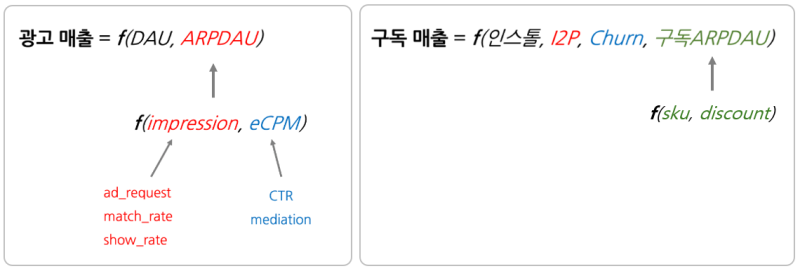
They systematically analyzed how individual metrics--DAU, retention, ARPDAU, subscription conversion rate--connect and drive change, establishing a meaningful 'growth equation.'
4) Building and Using a Scoreboard (Dashboard) Daily
They created a highly transparent scoreboard that everyone could check daily for metric changes, making it the central tool for key meetings.
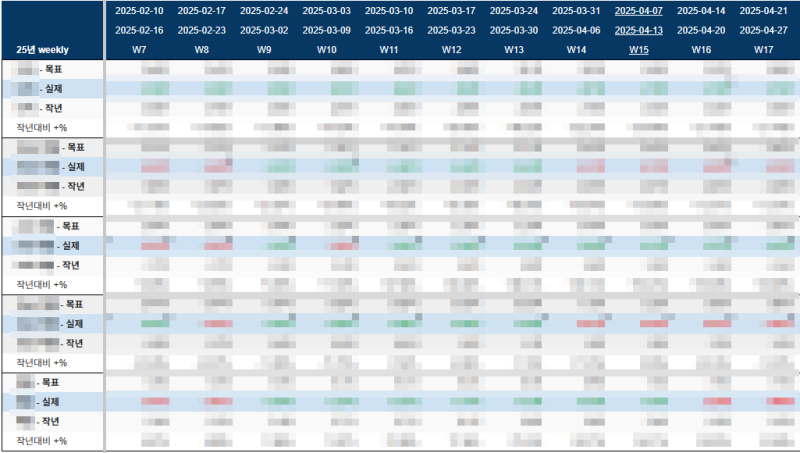
At regular meetings, everyone reviewed the scoreboard together, discussing lead measures and commitments (each person's pledges). This naturally strengthened accountability and focus.

5) Actively Trying New Things
The team continuously sought ways to move lead measures, refusing to stick exclusively to existing work and agilely executing innovative initiatives. For example:
- Weekly TCM content production
- Incorporating country-specific preference research into ad creatives
- Localized marketing and influencer partnerships in the US, India, etc.
- Subscription user segment-specific strategy experiments They actively experimented with and executed a variety of new tasks.
6) Embracing Positive Change and Voluntary Execution
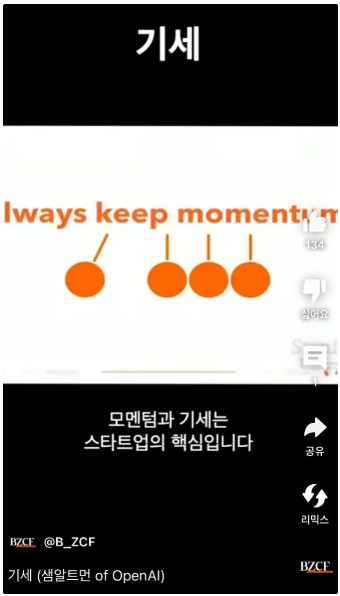
Most impressively, nobody was negative about these rapid, large-scale changes. Instead, the entire team rallied together, creating 'momentum.'
"I vaguely thought it would take a few months of effort to persuade team members and get everyone looking in the same direction, but that turned out to be completely unnecessary--which was personally a hugely surprising point."
This dynamic energy and sense of achievement in the field made everyone focus even harder.
5. The Meaning of a Growth Phase and Remaining Challenges
Looking back on the growth journey of the past six months, the author reflects on the unique privilege of firsthand experience of rapid growth that only startups offer.
"Looking back and organizing all of this, I realize we had a pretty meaningful first half of 2025. Working at a startup, there are things you can only gain during a period of rapid service growth, and in that regard, these past six months have been memorable in many ways."
At the same time, there is a sense of determination to maintain momentum toward even more aggressive goals in the second half.
Closing Thoughts
If you want change, resolutions alone will change nothing. Using your time differently, changing how you work, trying new things, and bringing in new people--only these three principles can create turnarounds for both individuals and organizations. As the Delightroom Alarmy team demonstrated, when concrete execution and voluntary participation come together, both metrics and the organization can grow together.
Want to change personally? Use your time differently, change where you live, or meet new people!
Want to change organizational performance? Change how you work, do new things, or hire new people!