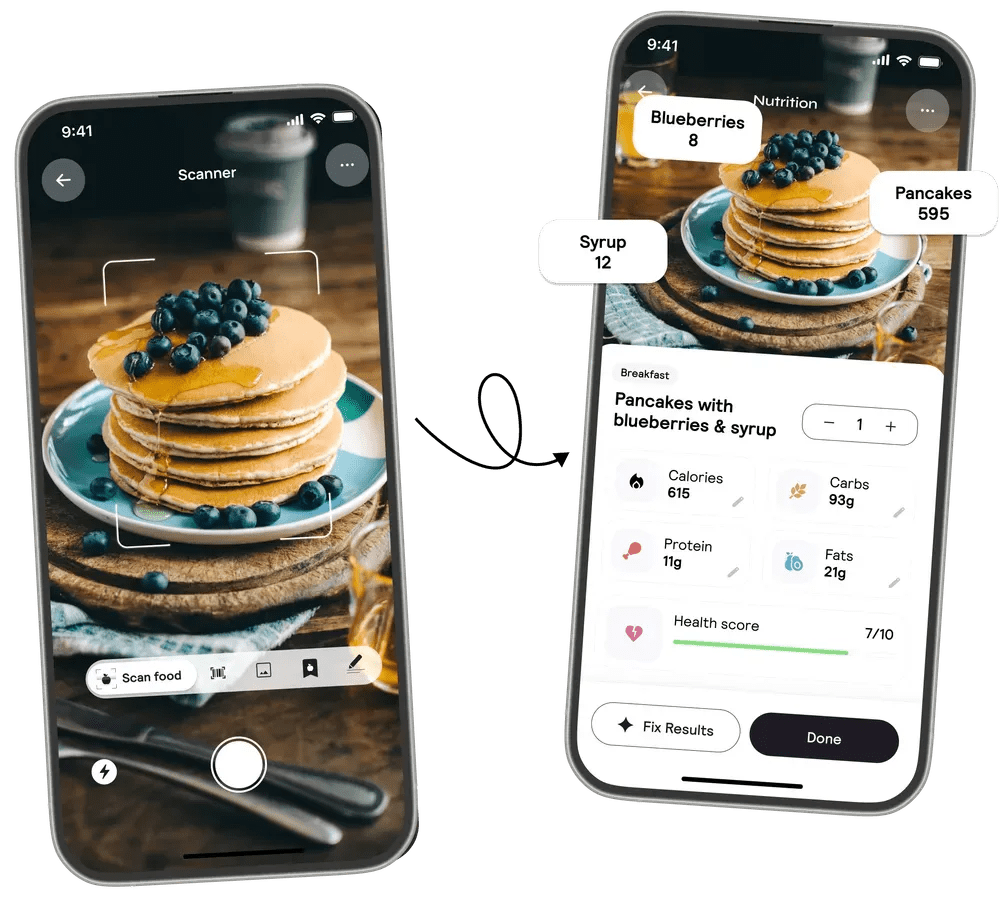
Apple's brief removal of Cal AI, a calorie-tracking app owned by MyFitnessPal, shows that Apple still closely polices App Store payment rules. The case was not simply about using web payments. Apple said the app violated several guidelines around in-app purchases, billing design, and manipulative purchase flows.
1. Cal AI Was Temporarily Removed From the App Store
Cal AI disappeared from the App Store after growing rapidly and reportedly reaching significant annual recurring revenue. Because developers in the United States now have more room to link to external payment options, some observers first assumed Apple had removed the app just for using web payments.
That interpretation turned out to be incomplete. Apple pointed to multiple violations, not merely the presence of an outside payment method.
2. Apple's Explanation: Multiple Guideline Violations
Apple said Cal AI bypassed required in-app purchase flow, used deceptive billing patterns, and relied on manipulative tactics.
2.1. Circumvented IAP Flow
Apple said Cal AI used third-party payment services such as Stripe to unlock digital goods while removing Apple's in-app purchase option from checkout. That violated guideline 3.1.1, which still requires Apple IAP to be offered alongside external links in many cases.
2.2. Deceptive Billing Practices
Apple also objected to the app's paywall. The design reportedly emphasized a weekly calculated price more prominently than the actual amount charged, and included a free-trial toggle that obscured automatic renewal details.
2.3. Manipulative Tactics
Apple also cited developer conduct concerns. Users who declined one subscription offer were shown a second purchase flow, and negative reviews criticized how the app presented third-party payment options.
3. Post-Epic Rules and Apple's Position
After the Epic Games case, Apple changed its U.S. App Store rules to allow apps to direct users to external web payments. But that permission is not unlimited.
Most apps still need to provide Apple's in-app purchase option together with external links. Reader apps may have different exceptions, but Cal AI does not appear to fit that category. The case shows that Apple is still actively reviewing how developers implement external payment flows.
4. Cal AI's Return and the Larger Lesson
Cal AI returned to the App Store after addressing Apple's objections. MyFitnessPal and Cal AI did not provide a public explanation in the summarized article.
The incident may be a warning to developers testing the boundaries of the post-Epic rules. Apple may allow more external payment linking than before, but it still expects compliant checkout design, clear billing, and non-manipulative subscription flows.
Closing
The Cal AI case is a reminder that external payments are not a free pass. Developers still need to comply with App Store review guidelines, offer required purchase options, and avoid confusing or coercive billing design.