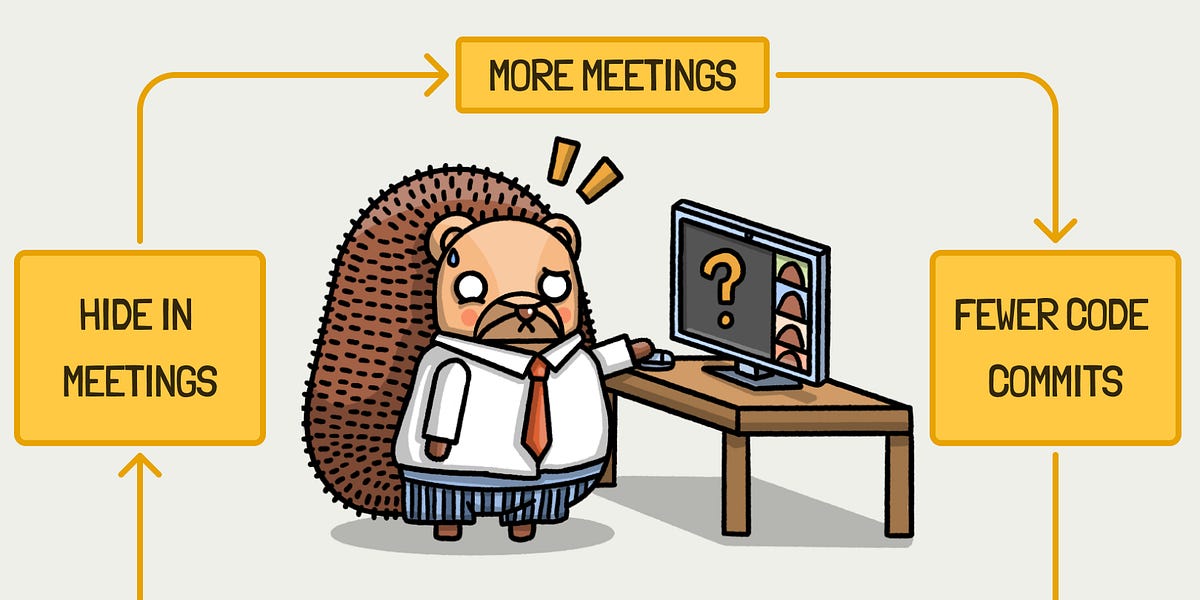
An effective team lead goes beyond mere technical ability -- they are someone who delegates authority to team members and grows to avoid becoming the team's bottleneck. This article summarizes five major failure modes where leaders can undermine team momentum or damage team culture, along with concrete practices for avoiding them. Each section provides actionable tips for real-world situations, notable quotes, and external references worth exploring.
1. Becoming the Team's Bottleneck by Trying to Make Every Decision Yourself
People who are new to a team lead role often feel the pressure to personally participate in every decision, PR review, and plan. Under the guise of maintaining quality, getting involved in everything actually makes fast execution harder and turns team members passive.
"Don't treat your team members like children. They are capable of making excellent product decisions and taking responsibility for the outcomes."
To avoid this, the following practices are needed:
- Work transparently: Everyone should be able to gain context through public Slack channels and open documents.
- Delegate decisions: When asked "Should we do X or Y?", respond with "What would you choose and why?" Even if the decision only reaches 80% of what you would have decided, backing it builds trust and autonomy.
- Be a bridge: Rather than being the gateway for all communication, connect team members and external contacts directly when needed.
- Set goals, not processes: Be clear about what outcomes the team should deliver, but let individuals decide how to achieve them.
Here's how to check if you're succeeding: "If release quality and frequency stay the same even when I'm away for two weeks, I'm doing the role right."
2. Getting Stuck in Meetings and Drifting Away from Hands-On Development
Have Slack and your calendar become your entire workday while your GitHub commit history goes empty? Many leaders end up focused solely on management by leading meetings. Being pulled into various meetings gives a "feeling of productivity," but in reality, both core development capability and team synergy are declining.
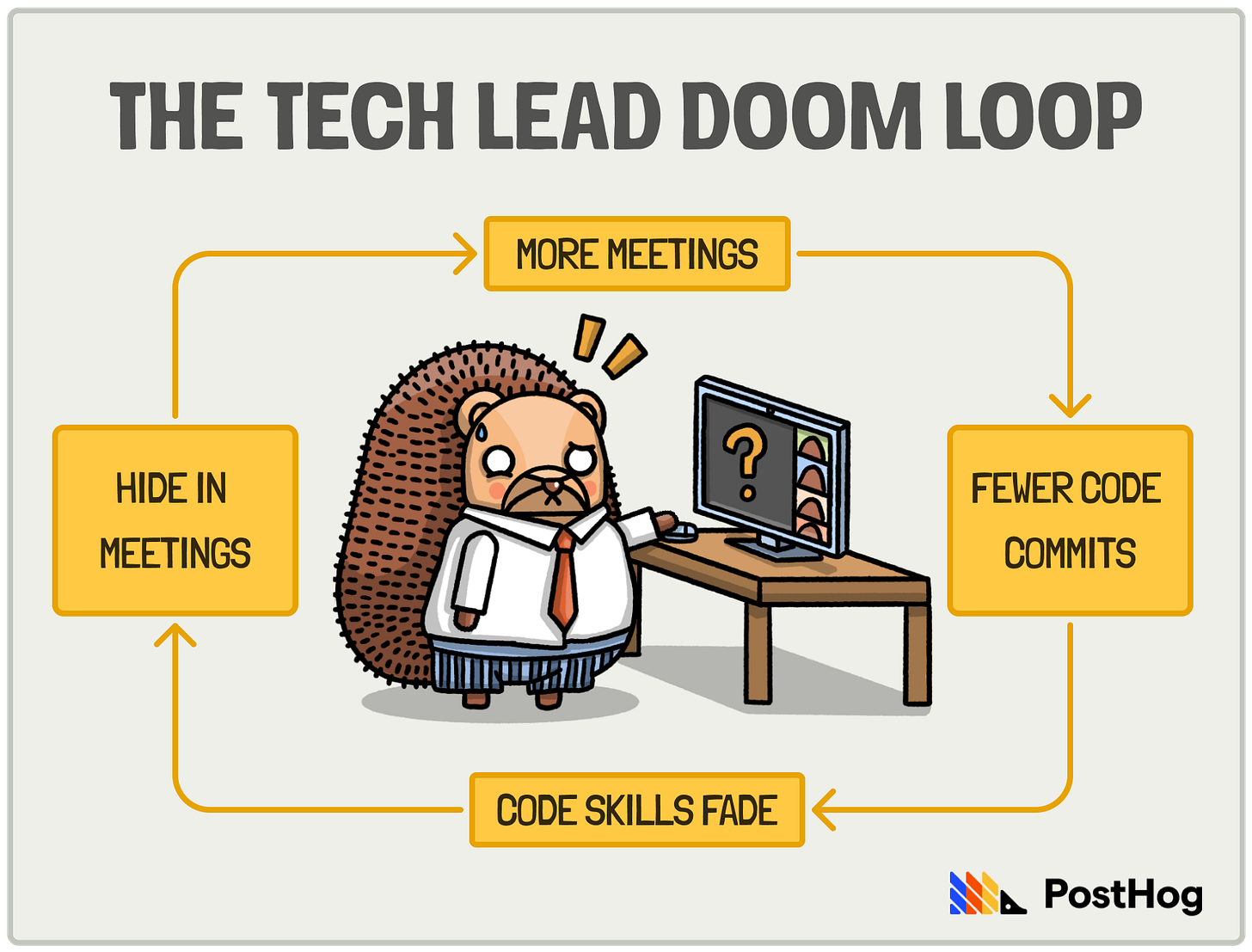
Here's how to break this vicious cycle:
- Designate at least 2 days per week as "no meeting days"
- Batch 1:1 meetings together, or consider skipping them entirely
- Replace daily standups with async communication like Slack
- Record explainer videos instead of doing live demos
- Share RFCs (proposals) as documents and collect feedback over 24-48 hours before reaching consensus
- Cancel all recurring meetings, then bring back only the ones that are truly necessary
Here's how to check if you're succeeding: "If I'm investing the most time on the team in the codebase, and I'm recognized not for what I say but for 'what I've directly built,' I'm on the right track."
3. When Goals and Actual Impact Are Misaligned and You Just Keep Grinding
Growth has stagnated mid-quarter and churn is increasing, but you keep pushing the planned work? This is the trap of hesitating to course-correct, and instead clinging to the originally set roadmap out of fear that changing course would look like failure.
You must build a mandatory loop for checking goals with data and feedback. For example, PostHog does monthly key metric reviews, asking questions like:
- Are the top 10 customers satisfied with the product?
- Where and why has churn spiked?
- Did new features actually improve key metrics?
- What was surprising from user interviews?
- In what specific situations are users struggling?
Through this process, "what to drop and what to focus on" becomes clear, and by the end of the quarter, key metrics improve.
Here's how to check if you're succeeding: "If I can confidently say our team is always working on the most important things, and if after reviews we're finding better opportunities through data and boldly cutting existing projects, everyone has succeeded."
4. When Avoiding Feedback Keeps Lowering the Team's Standards
The same person keeps producing mediocre code or the same bugs keep recurring, and nobody on the team is surprised anymore? By avoiding "hard feedback," expectations gradually lower and mediocre code becomes the accepted standard.
PostHog recommends doing the "Keeper Test" every quarter:
"If this person said they were leaving today, how hard would I fight to keep them?"
If the answer is "no," you need to examine what led you to that answer. Honestly identify where the shortfall is -- technical skill, attitude, accountability, or impact -- and then quickly execute coaching, expectation-setting, or when necessary, parting ways.
Here's how to check if you're succeeding: "If our team is known for delivering results and everyone wants to join, we're on the right track."
Additional tip: Team members can also get feedback by directly asking their lead, "If I were thinking about leaving, how hard would you try to keep me?"
5. When Solving Every Problem Yourself Leads to Burnout
When the team seems to lack confidence or experience, leaders want to jump in and solve every problem themselves. This yields quick results in the short term, but as the "leader as fixer" role becomes entrenched, overall team growth and autonomy decline, and eventually the leader burns out.
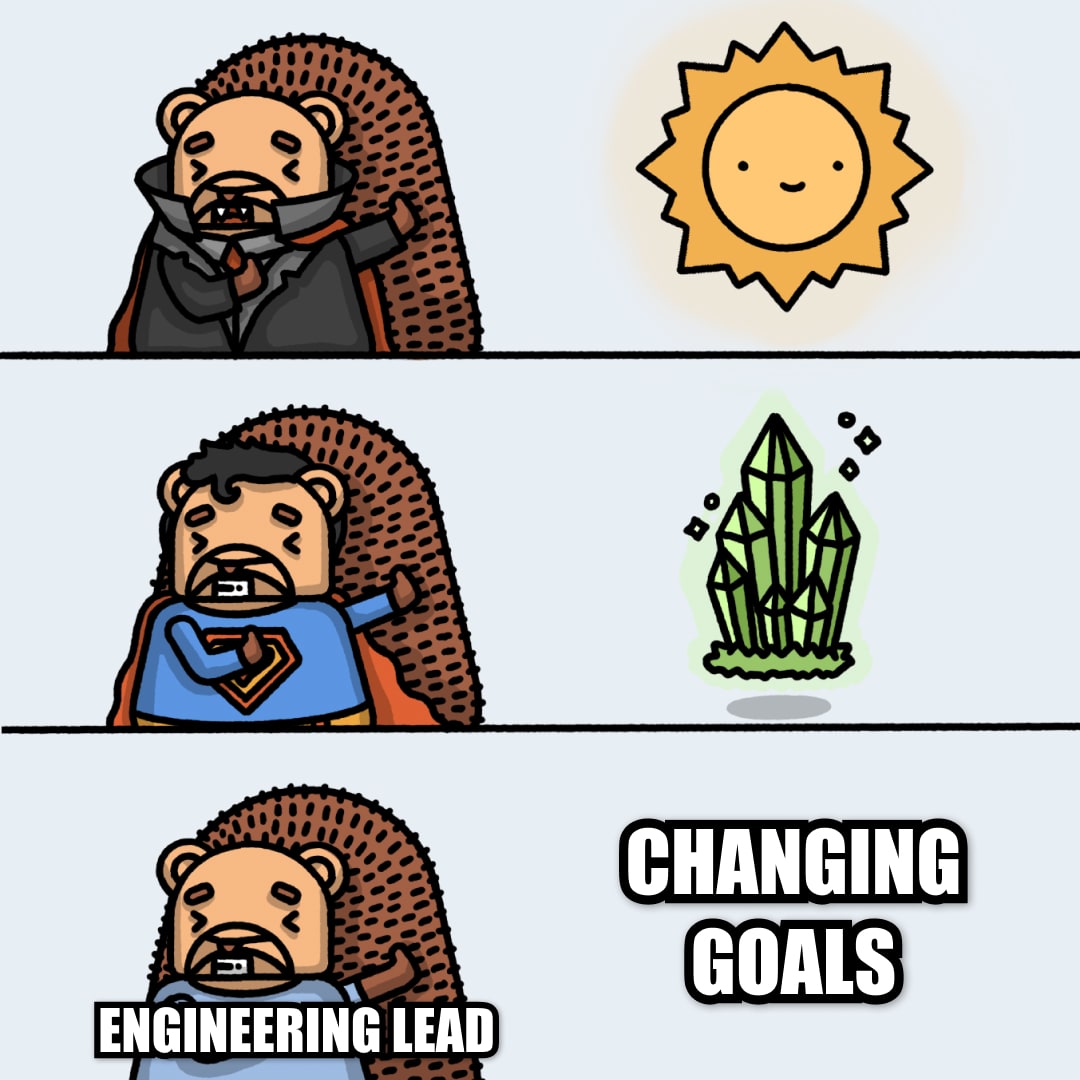
Practical approaches to change this situation:
- Pair first, then hand off: For complex situations, pair for about an hour to work through the problem, then let them handle it independently from the next time.
- Create manuals: Document the experiences from your firefighting role into short documents or execution checklists.
- Spread knowledge quickly: Ask team members who've learned something new to give 5-minute lightning talks, sharing knowledge through mini-seminar formats.
- Consider hiring when there's a mismatch between work and team resources: If there's growing work that doesn't fit any team member's strengths, treat it as a signal to bring in a new hire.
Here's how to check if you're succeeding: "If my name no longer comes to mind first when a problem occurs, and someone is already fixing it before I even open Slack, I'm delegating properly."
Conclusion
The traps of the team lead role come around repeatedly for everyone, everywhere. The temptation to control everything or solve it yourself, the mistake of getting buried in tasks instead of actual impact, the habit of avoiding difficult feedback, and the pattern of getting absorbed only in management and meetings are all examples. But even the small practices and shifts in awareness suggested in the article can drive the team's autonomy and performance, as well as the leader's own growth.
As a team lead, reflect on yourself, and execute at least one thing you can start doing today.
References