This article starts with the dilemma a founder faces when their startup is growing gradually: "Should I raise investment now?" It explores the blunt advice of famous investor Mark Cuban and the practical realities of fundraising. The core conclusion is that fundraising itself becoming the goal can actually be poison, and founders must judge wisely based on growth, market conditions, and business model. It concretely compares the pros and cons of fundraising versus bootstrapping (growing on your own revenue), and realistically guides when investment is truly needed and when it is not.
1. Asking Mark Cuban About Fundraising Timing
The founder recently had a conversation with Mark Cuban, sharing that their business was growing steadily. Just as they were wondering whether it was time to raise money, an opportunity arose to directly ask Cuban when to raise capital.
"Never."
Mark Cuban's short and powerful answer. Though somewhat unexpected, the founder decided to dig deeper into the true meaning behind this response.
2. Growing Without VC: Alternative Fundraising Methods
VC investment is not the only way to fund a startup. For example, venture debt or platforms like Founderpath allow founders to raise capital without giving up equity.
These non-dilutive funding approaches accelerate growth while letting founders maintain control and ownership. Learn more about Founderpath
3. Why VC Can Be a Trap: The Founder's Reality
"VC money is like a performance-enhancing drug. Can you really achieve $100 million in revenue within 10 years? Are you truly confident you can grow 3-5x every year?"

Taking VC investment immediately comes with the cost of losing ownership and management control. Jason Fried (Basecamp CEO) warns:
"The moment you take investment money, you become someone working for others again."
In other words, from the moment you take investment, the founder's focus shifts from "customers" to satisfying investors.
Side Effects of Fundraising
- Forced explosive growth: Investors only want "insanely" fast growth. This can make natural growth difficult and distort the company's fundamentals.
- Repeated rounds: Once you take investment, you can fall into a vicious cycle of needing multiple additional rounds.
"Almost nobody stops at one round. It's like going back to the drug dealer." -- Jason Fried
- Time and focus drain: The fundraising process consumes months with pitching, materials preparation, and meetings, pulling you away from your core business.
"Fundraising is not an achievement -- it's an obligation." -- Mark Cuban
- Equity dilution: As funding rounds multiply, the founder's and early team's share shrinks.
"The longer you can hold off raising money, the richer you'll be." -- Mark Cuban
- Losing ownership of the company: VCs typically take board seats or oversight authority, which can further erode strategic independence.
4. Strengths of Bootstrapped Companies That Grow Without VC
The advantages of bootstrapping -- maintaining ownership + revenue-focused growth -- are as follows:
- The customer is the 'boss': Without external investors, you must create truly valuable products to survive.
- Substantial growth: You can build a perfectly successful company at "$10-20 million in revenue," but with VC you'll be pressured to aim much bigger.
- Feedback and reality: Getting direct market feedback means faster practical business improvement.
- Flexible strategy and culture: Without investors, you can quietly pivot when needed.
- Independence: You can maintain a healthy startup culture without large investors.
- Preserving ownership: Over time, the founder's and team's share grows larger.
5. When Is VC Investment 'Truly' Necessary? Exception Cases
"In platform businesses (social, AI, logistics, etc.) where whoever captures the entire market wins, capital is essential. Money 'buys' speed and distribution." -- Daniel Lubetzky (KIND Snacks founder)
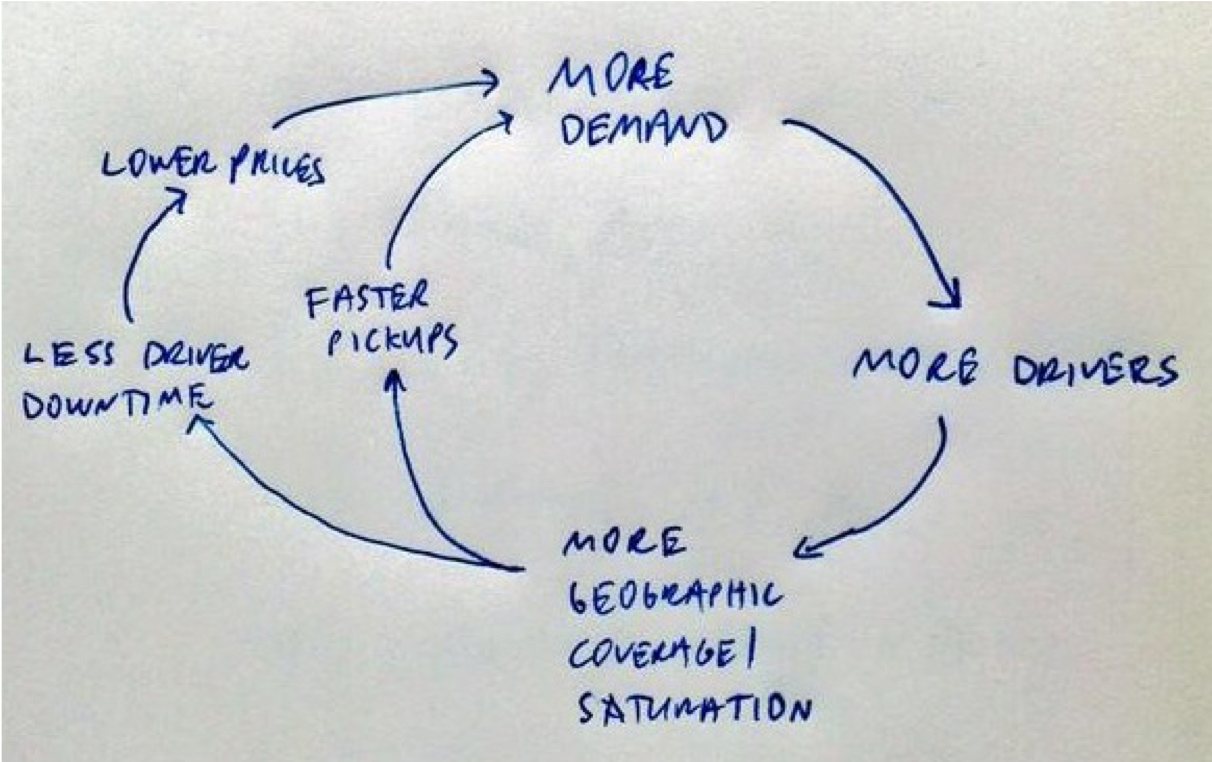
There are clearly moments when VC investment is absolutely necessary:
- Winner-takes-all markets: Platforms, AI infrastructure, marketplaces, and other fields where "whoever scales first takes everything"
- Hyper-speed market shifts: When the market is exploding right now (e.g., mobile apps in 2010, AI in 2025), you might miss it without capital
- Capital-intensive industries like manufacturing and biotech
- Already profitable, but capital would help capture or defend market position
- When investors offer not just money but network and strategy
- When competitors are already raising massive rounds
In these cases, fundraising is rational when "growth ambition," "market conditions," and genuine synergy are sufficiently aligned.
6. The Fundamental Difference Between VC and Bootstrapping
- VC: Rapid growth, high risk, equity dilution and partial transfer of management control, investor expectations (100x return in 7-10 years)
- Bootstrapping: Sustainable growth, independence and ownership guaranteed, customer/revenue-focused strategy, the founder's life and company "growing together"
When choosing each approach, ask yourself:
"Will more money make my business 'better,' or will it just make it bigger?"
If the answer is merely "bigger," the timing may not be right.
7. The True Meaning of Fundraising and Mark Cuban's Final Advice
"Fundraising is not an achievement -- it's an obligation. Raising venture money doesn't mean you've built a real business." -- Mark Cuban
- Raising too early causes you to "dress up" the company for investors rather than customers, and to force-grow a still-uncertain business.
- Investment only makes sense when you're already generating revenue and capital can "accelerate" growth (market expansion, M&A, talent acquisition, etc.).
"Hold off as long as you can, and you'll reap that much more reward." -- Mark Cuban
Finally, bootstrapped founders take a view spanning decades, while VC-backed founders look only at the fund cycle (7-10 years). The choice of which values to prioritize -- independence versus growth -- must be your own.
In Closing
Venture capital fundraising is a "means" for company growth, not a goal in itself. Grow on your own as long as possible, and only raise investment wisely when you truly need capital and when you're confident that money will make your company "better." Never forget that freedom, ownership, and confidence as a founder are what matter most