This piece covers the principles of Mind Hacking proposed by marketing consultant Richard Shotton and branding expert MichaelAaron Flicker. Drawing on behavioral science, they explain four core laws that move consumers' minds: the goal dilution effect, trigger moments, concreteness, and the pratfall effect. They emphasize that even in the age of AI, a deep understanding of human nature remains essential.
1. The Premise of Marketing: Hack the Mind, Rather Than Persuade It
Marketers constantly try to persuade people that their products are superior, but consumers do not believe them easily. Richard Shotton and MichaelAaron Flicker advise marketers to "hack the mind, rather than persuade it." They argue that marketers need to understand human psychological biases through behavioral science and apply those insights to marketing.
At the start of the interview, MichaelAaron Flicker brought up Hofstadter's Law: everything takes longer than expected, even when you plan with that law in mind.
"Even we could not escape Hofstadter's Law. We thought we could write the book in six months, but it took eighteen. The important point is that even people who study behavioral science do not act according to plan."
This is the key premise of mind hacking: people are not as rational as they believe themselves to be. Richard explained that consumers' distrust of marketing messages goes back as far as ancient Greece 2,500 years ago, because people instinctively know that sellers have an incentive to exaggerate the truth.
"If you went back 2,500 years to ancient Greece, it would have been the same. If an olive-oil seller in the market said, 'This is the best olive oil in the world,' the customer would have doubted it. We know that people selling things have a motive to inflate the truth." _Richard Shotton
Marketing, then, must touch human nature that does not change over time, and that is why behavioral science matters. Shotton describes behavioral science not as invention, but as excavation: uncovering what already exists in human nature. It helps marketers avoid wasting resources on myths inside the marketing world.
"Behavioral science is not invention. It is different from scientists inventing a new material. Behavioral science is closer to excavation. It discovers what already exists in human nature. There is evidence, and there are expected results. It tells you which of the many marketing superstitions to follow so you do not waste resources." _Richard Shotton
MichaelAaron added that the word "hacking" was chosen to stress intentional action.
"Hacking is intentional. Nobody hacks by accident. You know what you want, and you know how to get that result. We wanted to show people that they need to deliberately apply the right behavioral-science principle to the right business problem." _MichaelAaron Flicker
2. The Goal Dilution Effect: Selling One Thing Sells Better
The first principle of mind hacking is simple: focus on one thing, and communicate one thing. This is closely related to the goal dilution effect. People tend to trust brands that focus on one strength more than brands that list many strengths.
The two authors pointed to the success of the famous American burger brand Five Guys. In the 1980s, founder Jerry Murrell and his sons noticed a beachside shop called Thrasher's French Fries, which sold only fries and still drew long lines. While other shops sold a bit of everything, Thrasher's focused on just one item.
Inspired by that idea, Five Guys opened its first store in 1986 with a menu centered on burgers and fries. There were no salads, chicken, or other side items. As a result, people came to see Five Guys as the place that truly knew burgers, and the brand grew into a global success with 1,800 stores.
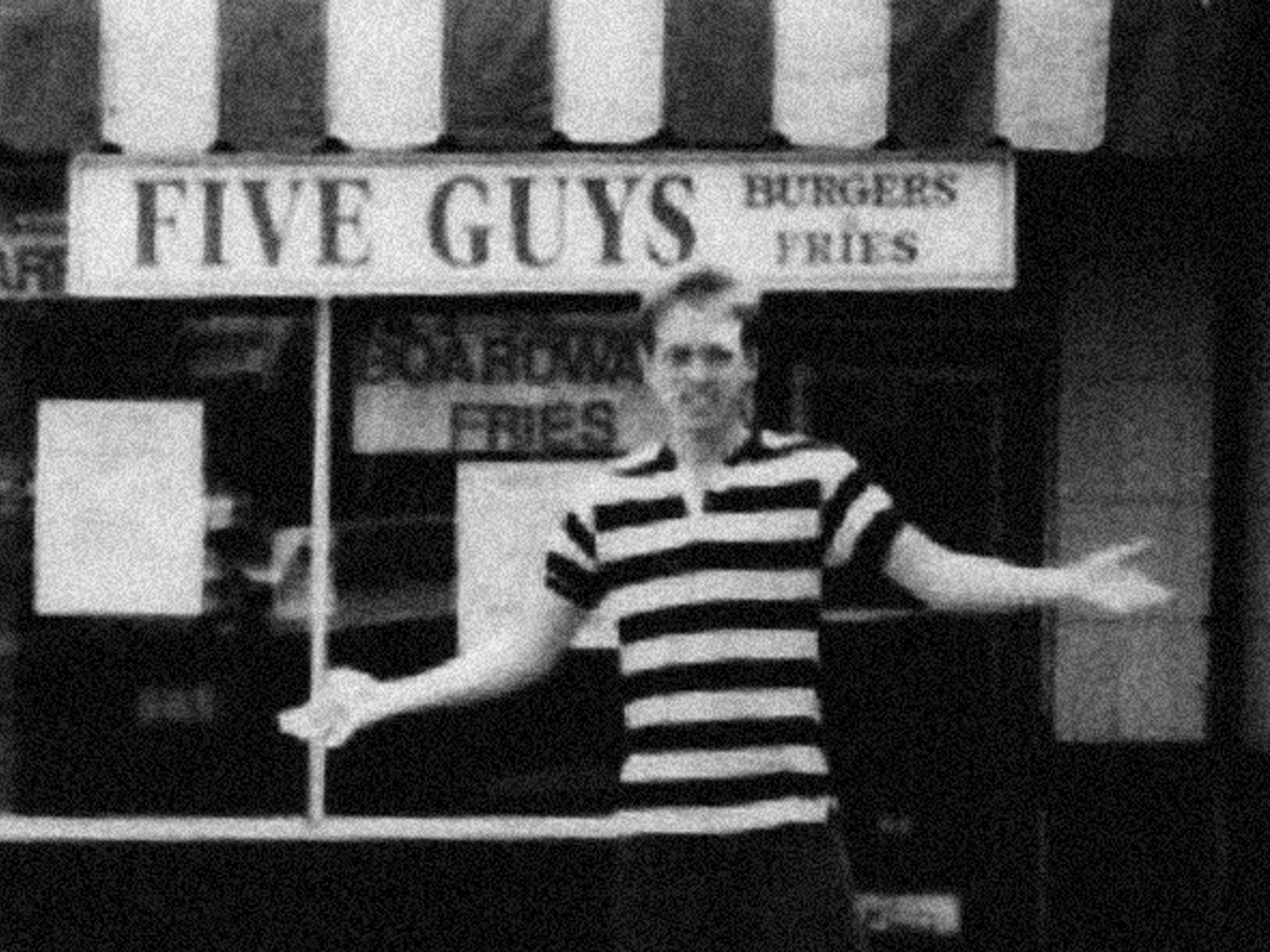
MichaelAaron explained that the secret was the goal dilution effect.
"The goal dilution effect is a behavioral-science rule that says people trust the side that focuses on one thing more. When you focus on just one thing, you create the impression of expertise. People start to think, somehow, this is worth buying." _MichaelAaron Flicker
A 2007 University of Chicago study on tomatoes showed the same effect. One group heard only about tomatoes' cancer-prevention benefits, while another heard about both cancer prevention and eye-disease prevention. The group that heard only one benefit rated the cancer-prevention effect 12% higher. In other words, the more benefits you list, the more attention you dilute.
MichaelAaron used car advertising as another example.
"A lot of ads say something like, 'This car is beautiful, fast, does not need frequent oil changes, and has a high safety rating.' That is a classic failed ad. It is far weaker than saying, 'This is the safest car on the road.'" _MichaelAaron Flicker
In short, messages that say "this is good, and that is good too" are not very compelling. It is much more effective to focus on one thing and create the impression that this brand is a craftsperson at that one thing.

3. Trigger Moments: Touch Ordinary Daily Life
Once you decide which "one thing" to focus on, the next question is when and how to bring it up. The authors call the right timing a trigger moment: a concrete execution moment that makes people want to buy or act.
"Desire is necessary, but it is not sufficient. Creating a vague desire alone does not change behavior. You have to connect that desire to a clear trigger moment." _Richard Shotton
Shotton used the chocolate-bar brand Snickers as an example. Its line "You're not you when you're hungry" turned the everyday feeling of hunger into a trigger moment.
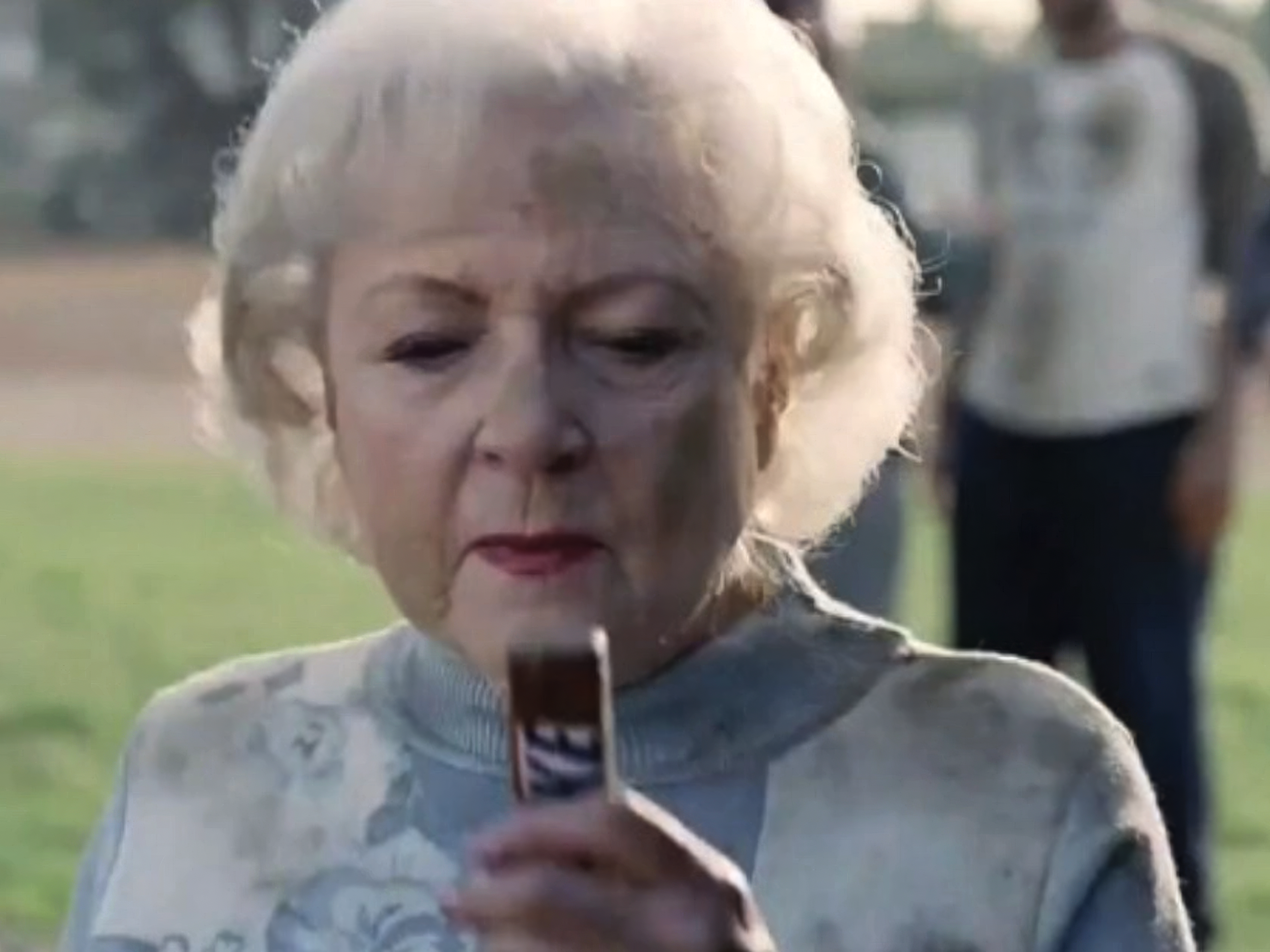
In the late 2000s, Snickers was struggling after an advertising campaign that leaned heavily on masculinity, and its market share fell by 10% between 2006 and 2009. In 2010, agency BBDO focused on Snickers' core strength: it satisfies hunger faster than other chocolate bars. They combined that with the psychological fact that people become irritable when they are hungry.
The ad featuring sitcom actor Betty White, who acts cranky during a football game because she is hungry and returns to being a strong young man after eating a Snickers, created a major response. Thanks to the campaign, Snickers' global sales rose 15.9% year over year in 2011. Shotton argued that the rebound came from touching the ordinary moment of hunger.
So what makes a good trigger moment? Shotton offered two criteria.
- Is it something that repeats regularly?
- Does that moment naturally connect to the brand?
He used the British bank Nationwide's "payday = savings day" campaign as an example. Payday gives people spare funds, is closely connected to banking, and repeats every month, so it is an excellent trigger moment.
"Why is payday good? Because that is when people receive spare money. A bank is closely connected to that day. And payday repeats every month. So it naturally becomes the trigger moment to choose." _Richard Shotton
MichaelAaron stressed that trigger moments should be more ordinary than you might imagine. The answer is hidden in the everyday routines we usually let pass without noticing.
"A trigger moment should be much more ordinary than you imagine. It is best when it already exists in life, like stretching every time you brush your teeth. Only routines that already happen in daily life can do the job." _MichaelAaron Flicker
4. Raise Concreteness: Drop Abstract Language
After you find the moment when people might want the product, you have to decide what to say at that moment. Shotton advises using language people can picture, rather than abstract phrases. In other words, raise concreteness.
He emphasized that this principle does not change over time and introduced two experiments.
- Ian Begg's 1972 experiment: Canadian psychologist Ian Begg showed students a mix of concrete phrases such as "white horse" and "burning forest," and abstract phrases such as "impossible quantity" and "plausible excuse." Students remembered concrete phrases four times more often than abstract ones: 36% versus 9%.
- Richard Shotton's 2021 experiment: Shotton ran a similar experiment himself. He showed 425 people common ad phrases such as "innovative product" and "ethical vision," alongside phrases such as "happy chicken" and "ten cents in your pocket." The concrete phrases were remembered ten times more often than the abstract ones.
Shotton used Apple to explain the power of concrete messaging. When Apple launched the first iPod in 2001, it did not say "5GB of storage." Instead, it advertised:
"1,000 songs. In your pocket." _Richard Shotton
That phrase made people imagine a tiny device holding countless albums, and it left a strong impression.
Energy-drink brand Red Bull used the same principle. "Energy" is invisible and abstract, so Red Bull said:
"Red Bull gives you wings."
The image of wings opening in your mind made the message powerful.
"If your message contains words like 'high-quality' or 'premium,' delete them. Replace them with concrete language people can picture. More people will remember you." _Richard Shotton
5. The Pratfall Effect: Use Weaknesses as Mirrors for Strengths
The principles so far have focused on how to become more visible to people. The final principle is different: it can be okay to reveal a weakness first. If you use it intelligently, people may feel warmer toward the brand.
The two authors introduced the pratfall effect as the background for this idea. It is the psychological effect in which people feel more affection when they see a human mistake or flaw.
The effect was demonstrated in a 1966 experiment by Harvard psychology professor Elliot Aronson. Participants listened to a recording of someone who performed very well on a quiz, scoring 92 out of 100. Another group heard the same high-scoring person accidentally spill coffee afterward. Then both groups were asked how likable they found the person.
The result was striking: the group that heard the coffee spill liked the quiz taker 45% more than the group that did not.

How have brands used this effect?
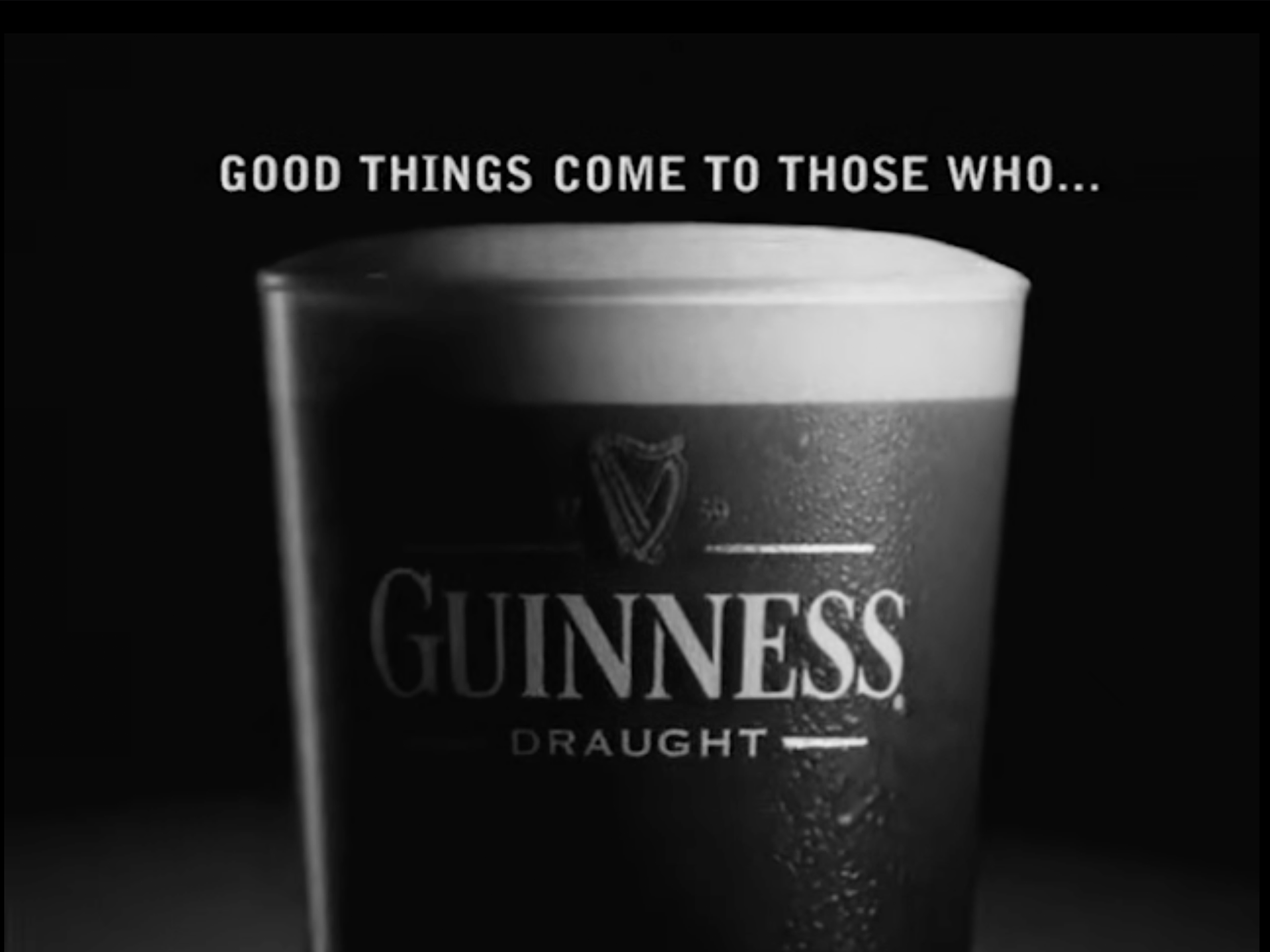
- Guinness turned the weakness that its beer takes a long time to pour because of the foam into an advantage. Its line was:
"Good things come to those who wait."
- Volkswagen responded to criticism that its cars were ugly in the 1960s with a witty ad built around the idea that the ugliness was only skin-deep.
- Avis, the number-two rental-car company in the United States, turned not being number one into a strength with the line: "We're number two, so we try harder."
MichaelAaron said that if you reveal a weakness wisely, you can use it as a mirror for your strengths.
"When a brand talks only about its strengths, people start looking for its weaknesses. But when a brand shows an imperfection first, people lower their guard and stop thinking, 'They are trying to trick me.' Then they accept the other strengths more easily." _MichaelAaron Flicker
Shotton warned, however, that you cannot reveal just any weakness. You should avoid defects that shake the core of the product or weaknesses that are too trivial.
"What if a beer brand said, 'Our beer does not taste good'? That is a weakness that undermines the brand's identity. You should not shout that. Saying 'our flaw is that we are perfect' is not a good message strategy either. That just means you want to brag. You win consumers' hearts when you reveal a small, honest weakness." _Richard Shotton
6. Human Irrationality Is Our Real Resource
Across the 80-minute interview, all the mind-hacking techniques the two authors introduced had one thing in common: they touch human irrationality. People remember better when a brand emphasizes only one thing. They feel more affection for a brand that shows a mistake than for one that appears perfect. These behaviors are hard to explain through rational logic alone.
Are these principles still valid in the age of AI? Shotton warned that while AI does make work easier, marketers should not be fooled by that illusion.
"A marketer's goal is not to write more copy. It is to create copy with impact. When AI gives you countless options, you need an accurate model of human behavior in your head to choose the right answer. Otherwise AI will simply take you in the wrong direction faster." _Richard Shotton
MichaelAaron added the keyword ingenuity. Unlike the similar answers AI tends to provide, the spark of creativity that comes from human exceptionality is something different.
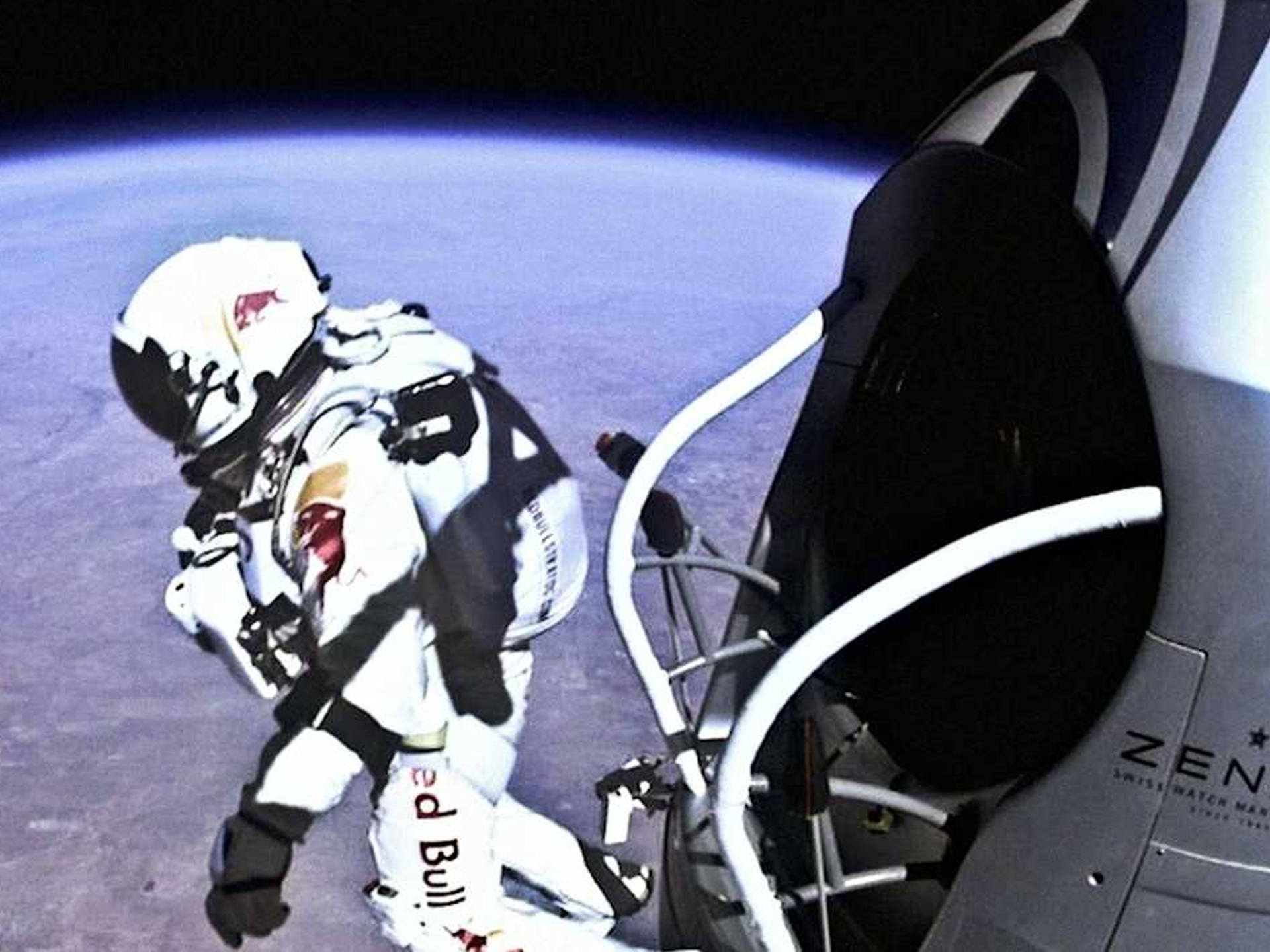
He pointed to Red Bull Stratos, the project Red Bull ran 14 years ago. The campaign sent skydiver Felix Baumgartner into the stratosphere in a helium balloon and had him free-fall back to Earth. It showed the world Red Bull's brand identity of challenging human limits, and 9.5 million people watched at the same time.
"No AI would have first suggested, 'Send a person into space and have him free-fall back to Earth.' There would be no reason to. But it became one of the most successful marketing campaigns in Red Bull's history." "Human originality that goes beyond data and logic is still rising up within us under the name of irrationality. Exploring and using that is where marketers need to go." _MichaelAaron Flicker
In the end, the message is that marketers should not rely only on AI. They need to explore and use the creativity and originality that bloom out of human irrationality. That is the real marketing resource that will keep shining even in the AI era.
Closing
The mind-hacking principles Richard Shotton and MichaelAaron Flicker shared in this interview were simpler than expected, but very powerful. The core is understanding human nature and delivering messages in a way that fits that nature.
- Focus on one clear strength to capture attention,
- use concrete moments in daily life as trigger moments,
- replace abstract words like "high-quality" with language people can picture,
- and reveal small, honest weaknesses to build trust.
These methods offer an important reflection on the old marketing habit of chasing perfection and pouring out only strengths. Even in the AI era, a deep understanding of unchanging human behavior models and the ability to develop messages with real impact will become core capabilities for marketers.