
This article tracks what moat (defensive advantage) startups must build next, now that 'good products' alone can no longer maintain competitive advantage in the AI era. The author defines this as Beyond Product—the way you reach customers, the depth of understanding them, and the ability to accumulate this as an organizational system. It finds the essence of Distribution that strengthens over time in Palantir's FDE system, concluding that "what lasts is not tactics, but systems."
1. In the AI Era, the 'Product' Formula Is Breaking
AI has pushed building costs to effectively zero, and copycats appear within a week. The old success formula—better features, faster speed, prettier UI—increasingly stops working. Attention has shifted to "distribution," but the author notes that 'Distribution' is usually misunderstood at the tactical level. Viral campaigns, cold outbound, and growth hacks work, but competitors copy them in 3 months, and AI speeds up execution, shortening tactical lifespans further.
2. The Author's Term: Beyond Product—Building "Moats Beyond the Product"
The author names this transition "Beyond Product": not simple marketing, but the way you reach customers, the depth of understanding them, and the ability to turn that understanding into a repeatable 'system.'
The central question: "What does Distribution that strengthens over time look like?"
3. When Products Weaken, What Remains?
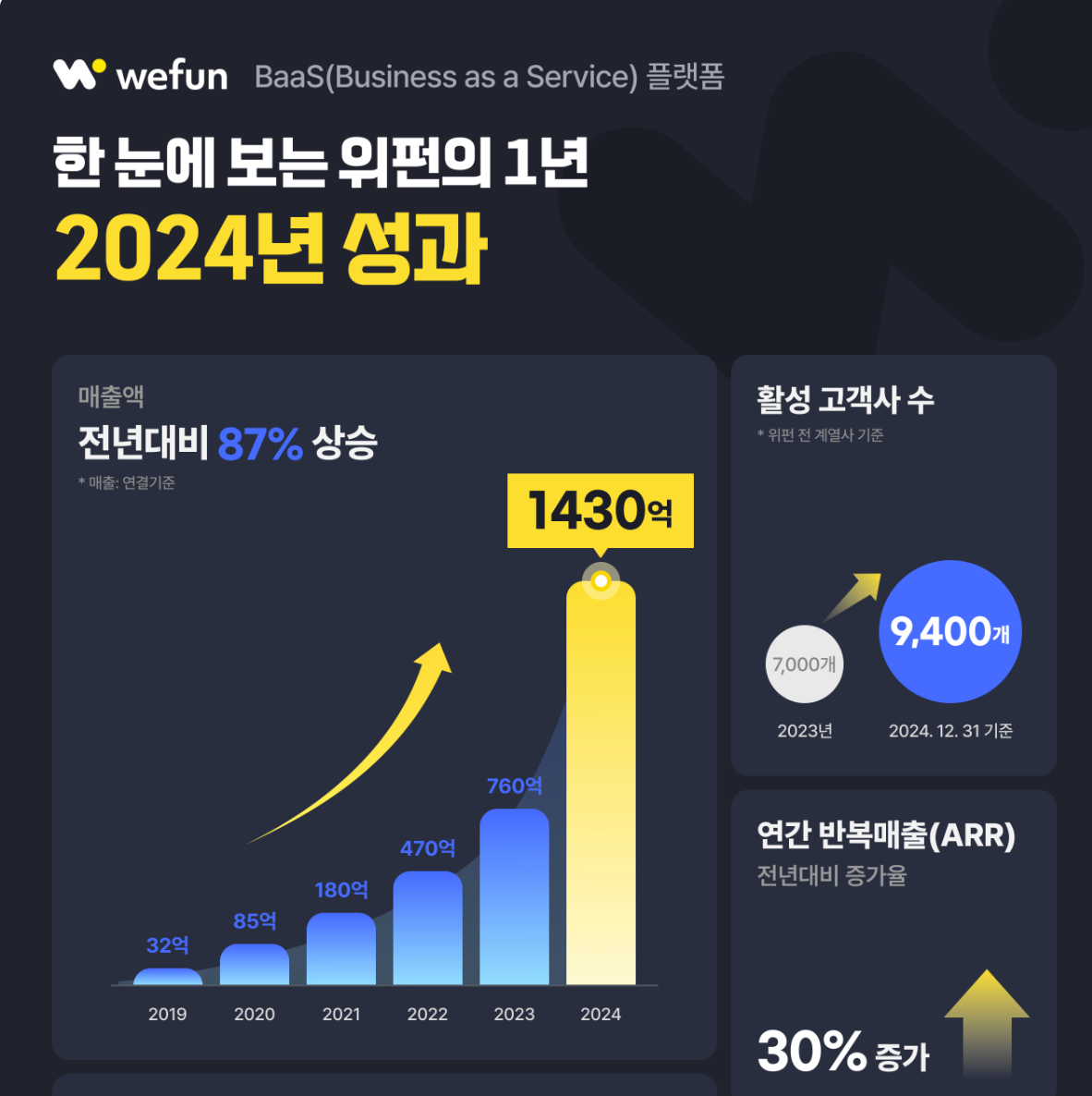
The article recalls companies like Ajeongdang and WeFun (Snack24) that grow through vast product portfolios, showing that "a company's growth value doesn't reside in a single product." This leads to examining Palantir as the original case study.
4. The Company Everyone Criticizes but Nobody Leaves: Palantir
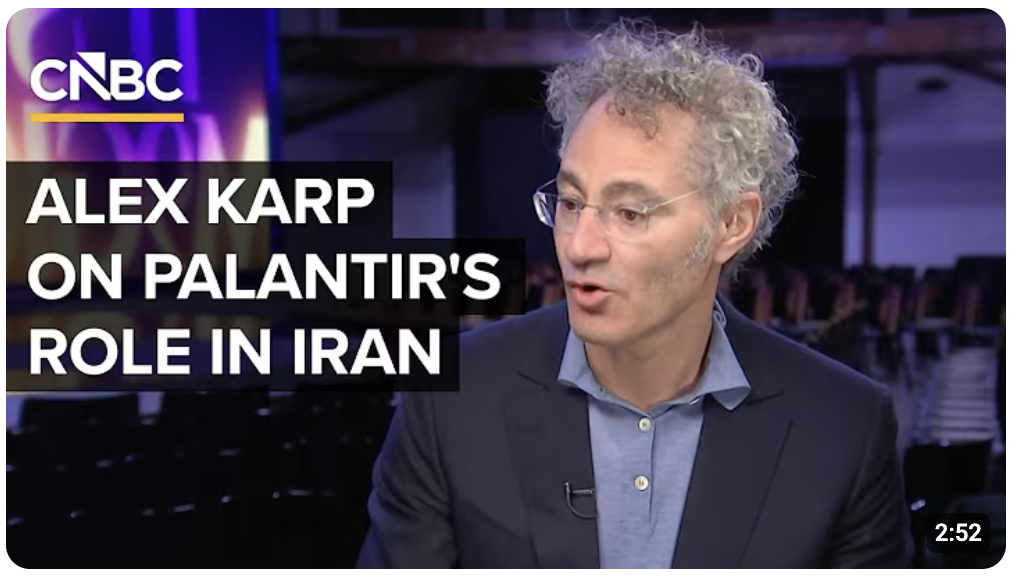
Palantir gets called a "terrible platform" on Glassdoor and Reddit, yet enterprise customers who adopt it never leave. The author rejects common explanations (good software, technical lock-in, great sales) and instead defines the core: Palantir doesn't sell software—it sells "how much better you become" (outcomes/improvement).
This is possible because of a system that creates warriors—where people and learning from customer sites accumulate into the organization.
5. FDE Is Not a 'Job Title' but a 6-Layer Development System
The author argues Palantir built not a role name but a system that transforms engineers into 'business operators' within customer reality.
4 surprising points:
-
Day 1 books contain no coding books: The 5 books given to new FDEs cover improvisation (reading power dynamics), user interviews, intelligence failures (mission context), GTD (managing overload with autonomy), and Dalio's Principles (fact-based reasoning). This is a curriculum for building 'people who read customers.'
-
They don't send one person—they send a Delta/Echo pair: Delta (software engineering specialist writing code) + Echo (Deployment Strategist reading organizational politics/stakeholder maps). Without Echo: you become SI subcontracting. Without Delta: you become consulting that promises what can't be built.
-
They sit next to the customer, not on Zoom: FDEs are expected to work 3-4 days per week at the customer's office—counterintuitive in Silicon Valley's remote culture, but proven as a moat for 20 years. "What customers can't articulate can only be learned by sitting beside them."
-
Every contract sharpens the weapon: Unlike SI where nothing organizationally remains after a project, Palantir's field customizations get absorbed into the core platform, making each subsequent deployment faster with less customization—a learning flywheel.
6. Results and the Question for Readers
Palantir alumni: 350+ startups, $34B+ invested, 15+ unicorns, 94% post-seed survival rate. This isn't just hiring good people—it's the system transforming people.
The essential question: "Does your GTM have a structure where field learnings flow back into the system?" If not, you're still doing tactics. Tactics can be copied in 3 months; systems are structurally uncopyable and strengthen over time.
7. Wrap-Up
The article's key point: in an era where AI quickly dilutes product differentiation, the lasting moat isn't a bundle of tactics like viral campaigns—it's a 'system' where learning accumulates. The question for every reader: Is our GTM a system that gets stronger with every execution, or a tactic that will soon be copied?