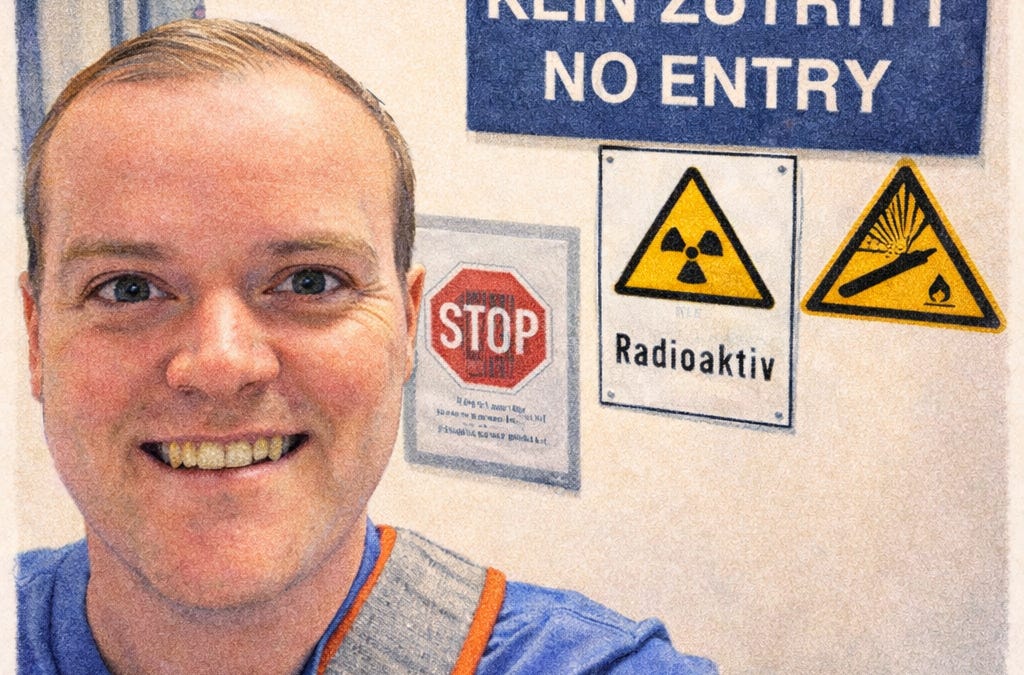
This article tells the remarkable story of GitLab founder Sid Sijbrandij, who after receiving a cancer diagnosis in 2022, approached treatment in "Founder Mode" - like scaling a business - and achieved remission. His three core principles of maximized diagnostics, personalized therapy development, and parallel treatment application helped him overcome the limitations of modern medicine while pointing toward the future of cancer treatment.
1. A Thirst for Information: The Birth of GitLab
Sid Sijbrandij, called an "information maximalist," studied engineering physics and management science before discovering GitLab - an open-source collaboration tool created by a Ukrainian developer. He believed source code for code collaboration tools should be open-source and created a hosted version. One evening in 2012, he posted his beta on Hacker News while making pancakes with his girlfriend Karen, and within 3 hours, over 150 people signed up - the first signal of product-market fit. He eventually recruited the original developer Dmitriy Zaporozhets as co-founder and CTO, and joined Y Combinator in 2015.
2. GitLab's Rapid Growth and "Radical Transparency" Culture
After YC, GitLab grew at remarkable speed, acquiring millions of users and major enterprise clients. Despite Silicon Valley skepticism about remote work, Sid built one of the world's largest fully remote companies with 2,500+ employees and zero offices. GitLab's radical transparency includes a 3,000+ page publicly accessible handbook and 13,000+ internal meeting videos on YouTube.
3. An Unexpected Cancer Diagnosis and Switching to Founder Mode
On November 18, 2022, during exercise, Sid felt sharp chest pain. An X-ray revealed a 6cm tumor on his T5 vertebra - he was diagnosed with osteosarcoma, a rare form of bone cancer, at age 45. After surgery followed by standard treatments including SBRT, aggressive chemotherapy, and proton beam therapy, he endured severe side effects including four blood transfusions.
4. Recurrence and a New Journey
After two years of remission, a 2024 check-up confirmed local recurrence. With no more standard options, doctors had nothing left to offer. "Saving myself was now my job. Nobody else was going to do it." He stepped down as GitLab CEO to Executive Chair and committed to fighting cancer in "Founder Mode."
5. Core Principles and Team Assembly
Sid established three principles:
- Maximized Diagnostics: Performing every available diagnostic as frequently as possible
- 10+ Personalized Therapies: Developing new drugs through collaboration with corporate and academic researchers
- Parallel Treatment Application: Testing multiple treatment hypotheses simultaneously rather than sequentially
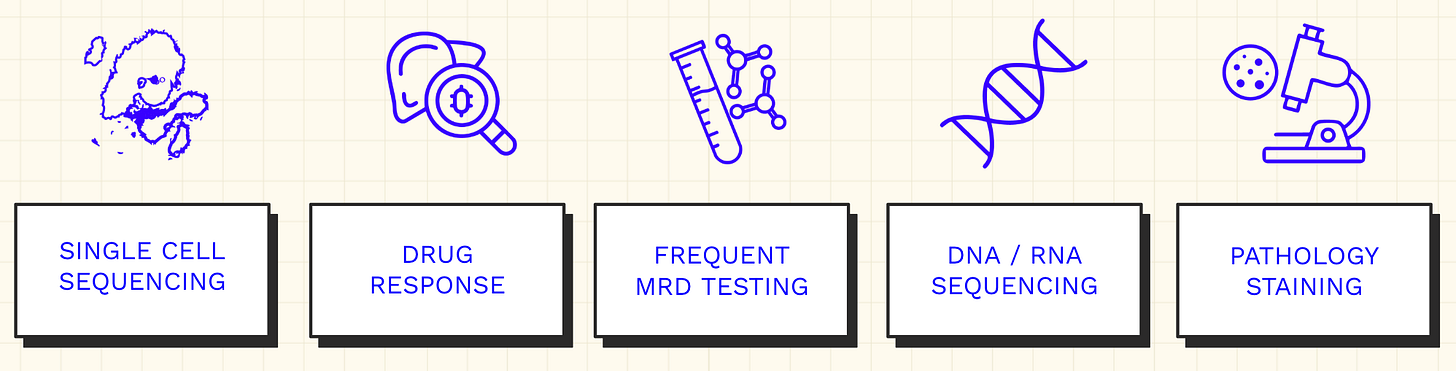
His diagnostic regimen spanned five categories: single-cell sequencing, bulk DNA/RNA sequencing, minimal residual disease (MRD) testing, organoid modeling, and tissue pathology. He recruited Jacob Stern from 10x Genomics as his dedicated care coordinator.
6. The Success of Fibroblast-Targeted Radioligand Therapy
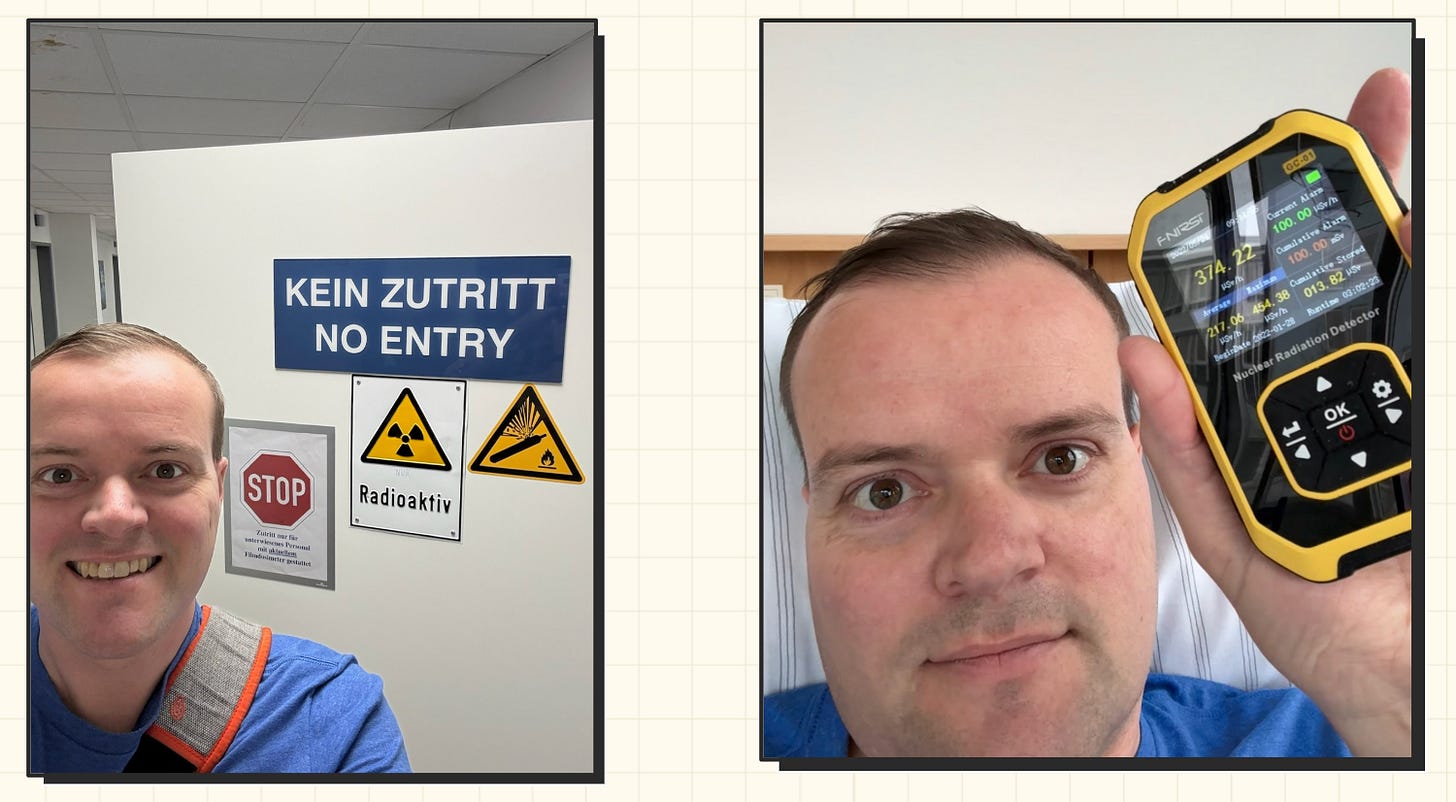
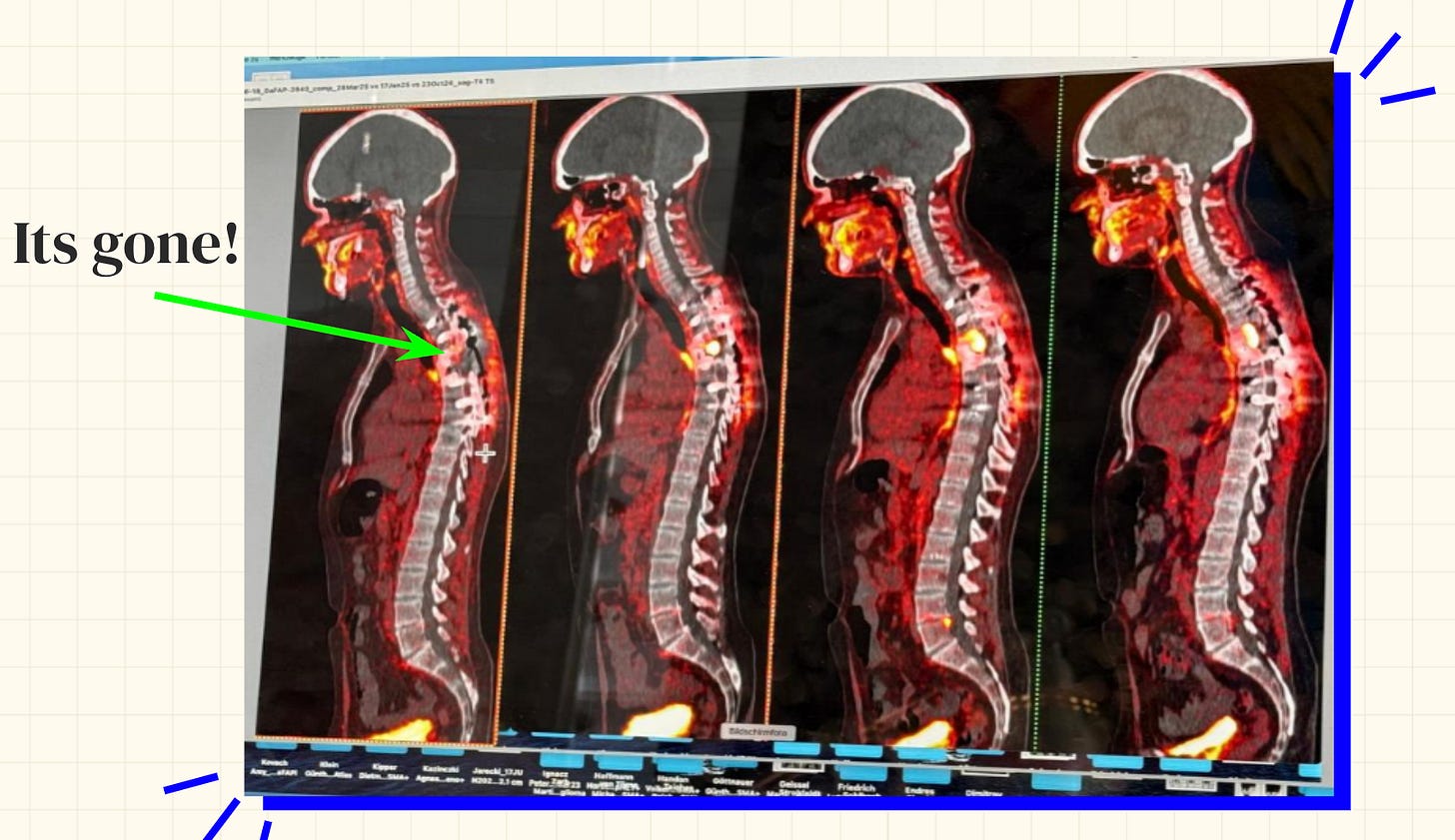
Single-cell data analysis revealed that fibroblast-characteristic genes were overexpressed in Sid's cancer cells. His concierge medical service found an experimental FAP-targeted therapy in Germany. The radioligand therapy using Lutetium-177 proved remarkably effective - Sid's tumor shrank enough for surgery. Post-surgery analysis showed immune T-cell infiltration jumped from 19% to 89%, suggesting that his combined treatments massively activated anti-cancer immune response.
7. Current and Future Treatment Plans
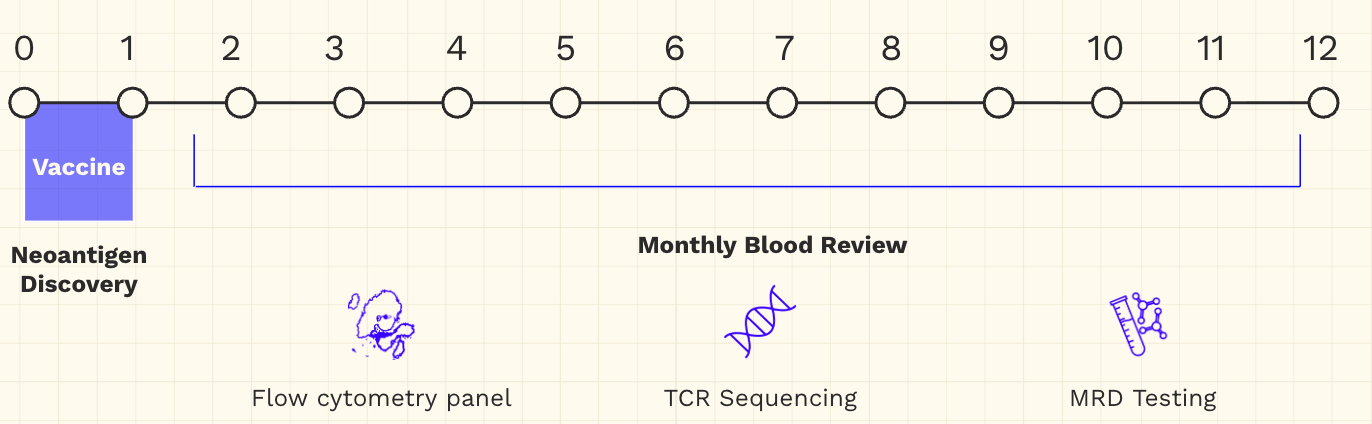
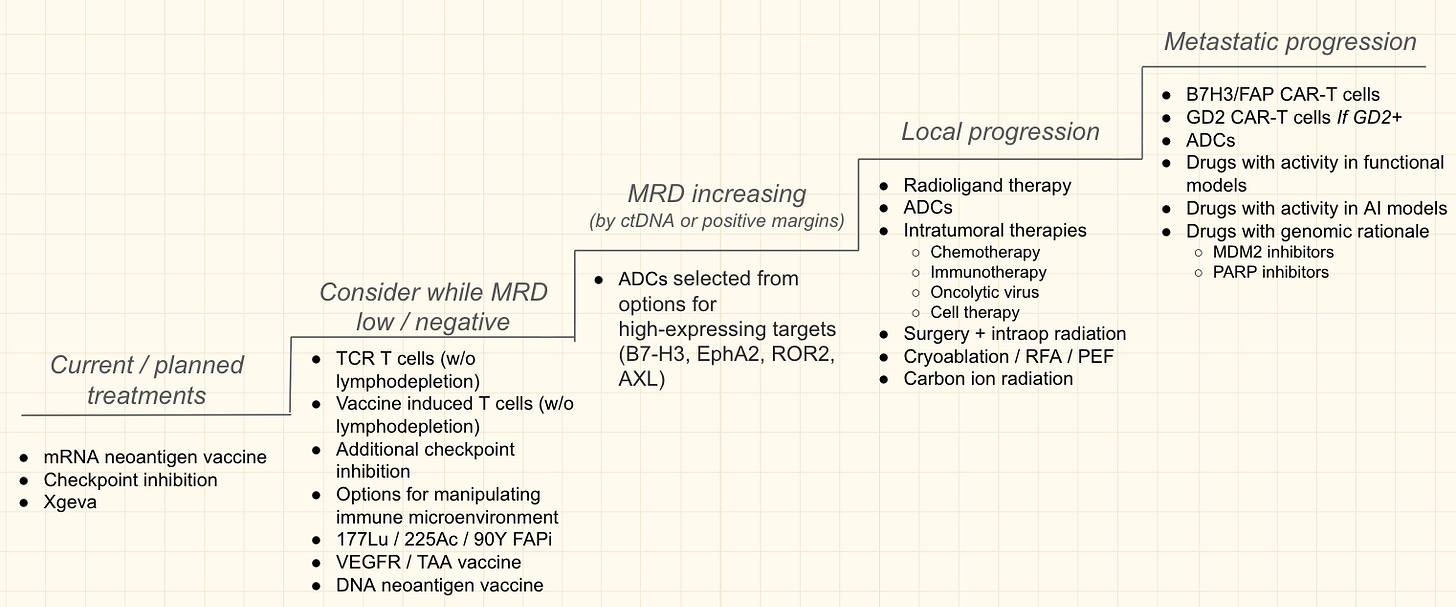
Sid's cancer is now in remission. Under the motto "Stay Paranoid," the next step is an mRNA-based personalized neoantigen vaccine to maintain the immune response, with monthly precision blood tests. As a backup, they're developing personalized cell-based therapies with genetic logic gates that respond to multiple signals to kill cancer cells.
8. Challenges of Future Medical Systems
Sid's case reveals clear bottlenecks: hospital systems resist patient-driven "Founder Mode" approaches; whole-genome sequencing still isn't integrated into standard cancer care despite plummeting costs; and under Eroom's Law, new drug development costs averaged $4.4 billion between 2017-2020, pushing pharma to focus only on blockbuster drugs while promising experimental treatments get abandoned.
9. The Rise of Personalized Medicine and Regulatory Changes
Sid leveraged the FDA's individual patient expanded access IND application to gain approval for 5 experimental drugs within 48 hours. CRISPR-based personalized therapies are gaining traction - in May 2025, the first personalized CRISPR treatment was administered to a baby in Philadelphia. Moderna's clinical results showed neoantigen vaccines combined with immune checkpoint inhibitors nearly halved cancer recurrence risk.
10. Future Cancer Treatment Scenario
In 10-20 years: consumer cancer diagnostic kits detect abnormalities; AI agents on concierge oncology platforms analyze records; bioinformatics agents generate reports in hours; patients receive immune checkpoint inhibitors (now generic, under $1,000) with off-the-shelf cancer vaccines and personalized radiotherapy - no chemotherapy, total cost $175,000, less than current average pancreatic cancer treatment.
Conclusion
Sid Sijbrandij's cancer journey goes beyond one billionaire's success story to reveal both the possibilities and limitations of medicine. His "Founder Mode" approach emphasizes maximized information utilization, customized solution development, and rapid iteration - just like technological innovation. As William Gibson said, "The future is already here - it's just not evenly distributed." His story gives hope that with advancing technology and willingness to change, his experience could one day become the standard for cancer treatment.