This piece delivers a message to modern people who endlessly consume content but never start anything: stop over-learning, and learn only what you need right now to take action. Podcast host and entrepreneur Pat Flynn shares his own experience as an over-learner to advocate for Lean Learning — filtering out unnecessary inspiration with the Inspiration Matrix, starting with the simplest possible version using ITWEWILL, and growing through intelligent failure.
1. Stop "Productive Avoidance" — Start Acting
The piece opens by naming a familiar pattern: saving books to read "someday," collecting success tips on YouTube, and yet never moving forward. Pat Flynn calls this "productive avoidance" — and says the biggest reason people never start is that they already know too much.
"Learning without action just clutters your head. Action without learning wastes your energy. If you want to achieve something, you should only learn as much as you need to move right now."
2. Pat Flynn's Awakening
Pat confesses to being an over-learner himself — conditioned since childhood by a father who responded to a 95% test score with "what happened to the other 5%?" That perfectionism carried him to a Berkeley architecture degree and a dream job, but when the 2008 financial crisis hit and he was laid off, all that knowledge couldn't save him.
He decided to monetize his LEED exam knowledge, but fell back into the same trap: studying "how to run a business" before starting one. He read books, watched hundreds of hours of YouTube, and became more confused, not less.
His turning point came when his business coach snapped:
"Stop it! You already know everything and you know what you need to do. Stop taking notes and just freaking get started!"
Pat realized he had been using "studying" as a hiding place from the fear of failure. He went home and wrote the guide. Three and a half weeks later it was published. In the first month alone it earned $7,900 — proof that an imperfect first step creates real results.
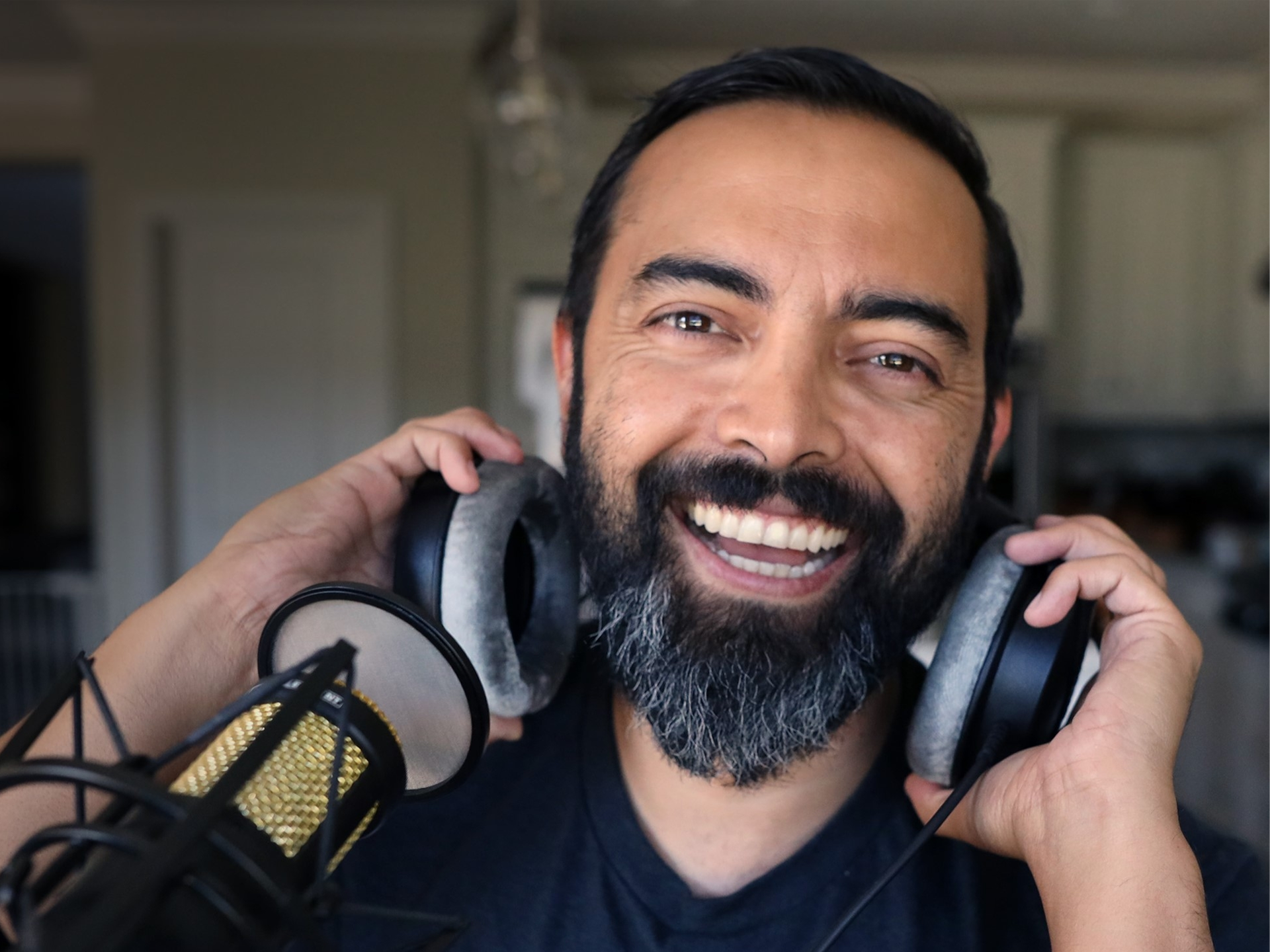
3. Lean Learning: Just-in-Time Information 📚
Writing that guide taught Pat something crucial: he didn't need to study all of business management. He only needed a small piece of knowledge to solve the immediate problem in front of him.
He calls this Lean Learning — stripping away excess and learning only what's needed to reach the next checkpoint.
The core principle: Just-in-Time Information (JITI) — focus only on what solves today's problem. Stop "just-in-case" studying for knowledge you might need someday.
"The path from where you are to your goal is made of many checkpoints. We keep trying to learn the whole route at once. But information is everywhere — trust that when you need it, you'll be able to find it."
His example: when he needed to move one image on his website, he started learning to code. His wife suggested calling a developer friend instead. The friend solved it in five minutes. His goal was never to become a developer — just to move that image.
"Only gather the minimum information you need to climb the next rung, and then take the step. You need to become someone who burns information as fuel the moment you get it — not someone who stockpiles it in a warehouse."
4. Pruning: Not All Inspiration Is Good 🌿
Even after taking the first step, there's a constant threat: too many competing ladders to climb. Pat identifies "inspiration overload" as the biggest enemy of Lean Learning.
His tool for filtering: the Inspiration Matrix — a 2x2 grid with "personal interest" on one axis and "relevance to your priority" on the other, sorting every inspiration into four zones.
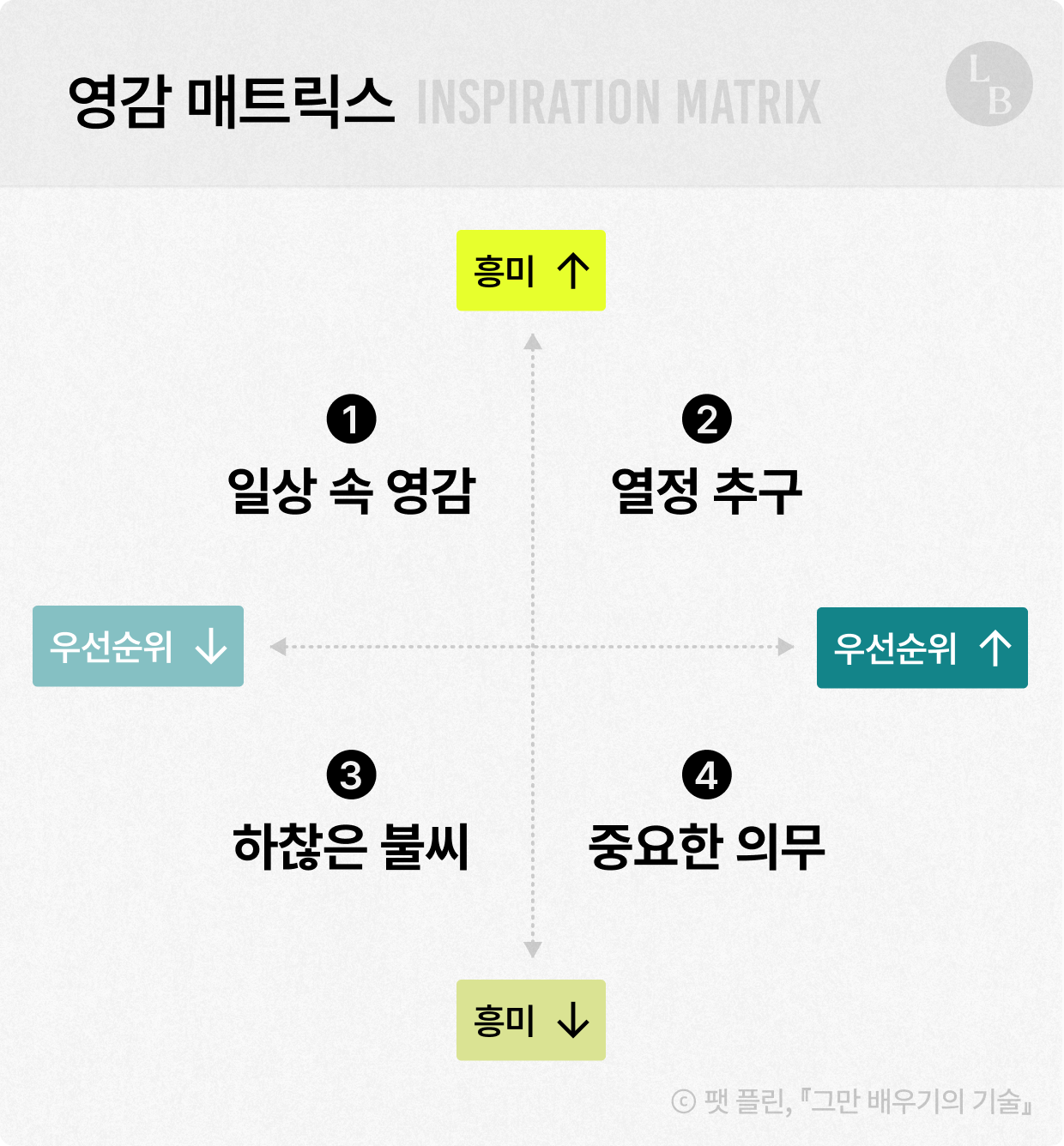
The four zones:
- Daily inspirations: enjoyable but unrelated to current goals
- Passion pursuits: aligned with your goals
- Important obligations: things you must do even if you don't want to
- Junk Sparks: trendy things that seem appealing but steal your time and energy
Pat especially warns against Junk Sparks — "maybe I should learn video editing since Reels are hot right now." The test: does this inspiration give you energy, or drain it?
"If a new inspiration is draining your energy rather than giving it, there's a high chance it's a Junk Spark — something that isn't truly important to you or that you can't do well."
Pat's personal Junk Sparks included game streaming, a meal-kit business, and pursuing design work — all things that looked attractive at the time but ultimately drained him.
"90% of inspiration is close to a Junk Spark. If you pour all your firewood into those sparks, you'll never get to what you actually want. So whenever inspiration strikes, I ask: 'What would I have to sacrifice to chase this?' Saying yes to a new inspiration is the same as saying no to the goal you've already been building."
5. ITWEWILL: Start with the Easiest Version ✨
Once you've cut the over-studying and filtered the junk sparks, how do you actually take the first step? Pat has a mantra: ITWEWILL.
"If This Were Easy, What Would It Look Like?"
When a task feels overwhelming, ask yourself: what's the simplest possible version of this? This question finds your Minimum Viable Action and lowers the cost of trying.
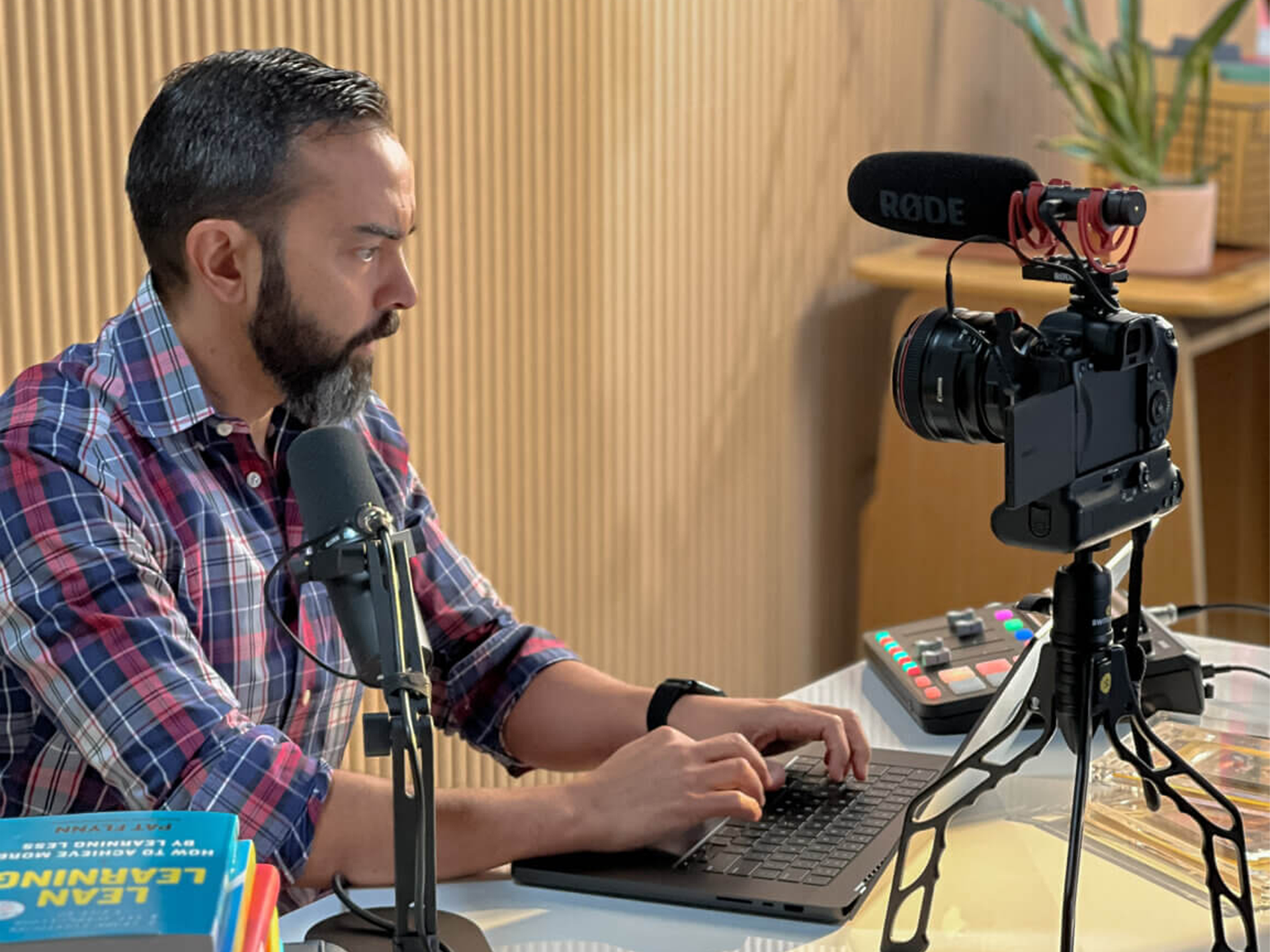
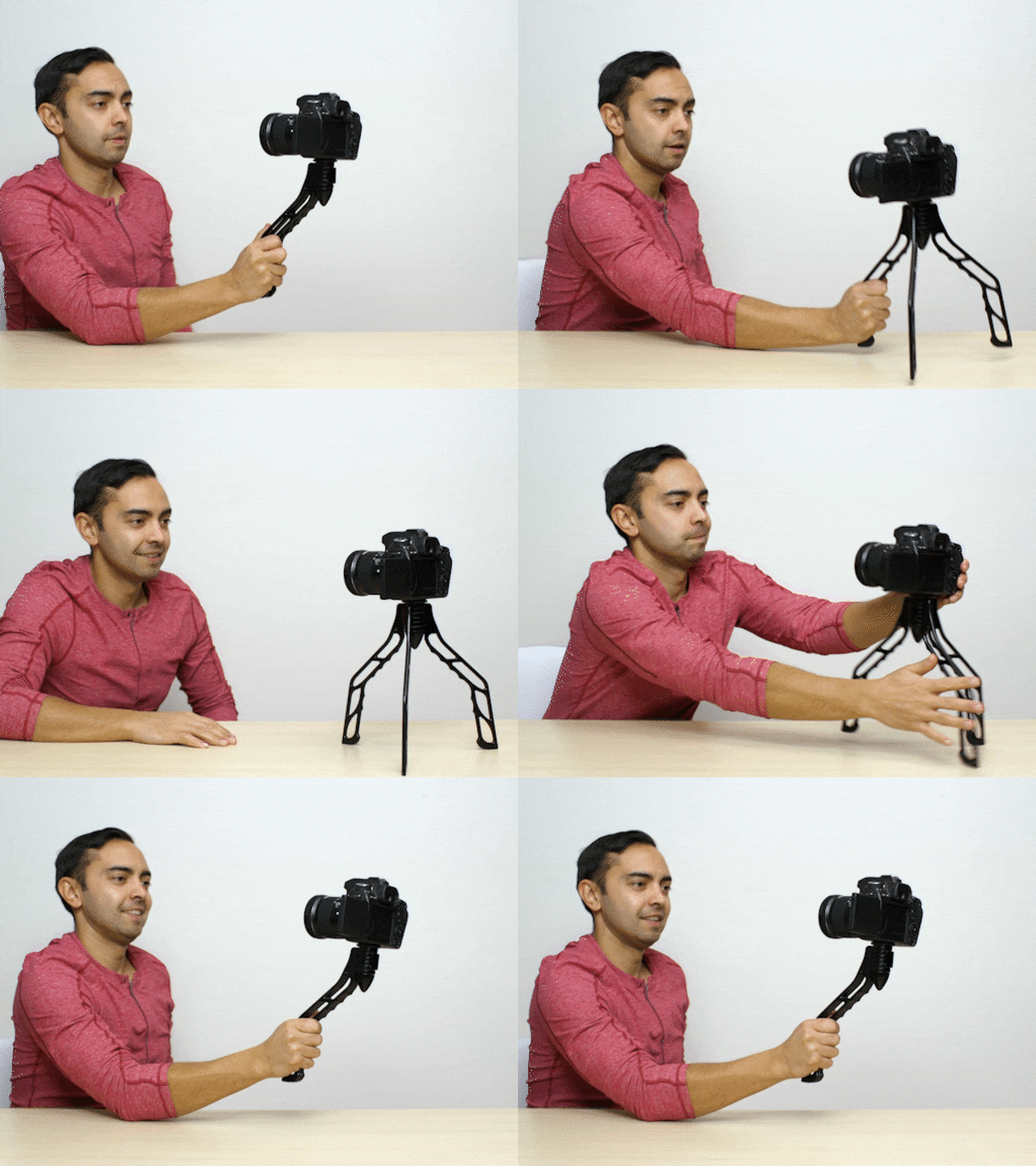
Pat illustrates with Switchpod, a vlog tripod he co-created with a YouTuber — despite neither of them having any hardware experience.
- Stuck on design: Instead of reading product design books, they cut up cardboard boxes in the garage to prototype the shape and handle angle. Zero cost, dozens of iterations.
- Need a prototype: Instead of finding a metal manufacturer, they used a 3D printer to make a plastic prototype quickly.
- Marketing challenges: Instead of studying advertising, they used Kickstarter to find early customers.
Result: launched in February 2019, raised $416,000 from 4,400 backers in 60 days. 👏
"We usually make things too complicated. The obsession with perfection makes 'the cost of trying' feel enormous. 'What if this were easy?' isn't about finding the lazy path. It's about lowering the cost of failure so you can try more freely."
ITWEWILL Creates Intelligent Failure
Pat believes imperfect action beats waiting for perfection because failure gives immediate feedback. But not all failure is equal. He references Harvard professor Amy Edmondson's concept of Intelligent Failures — failures from genuine new attempts that yield unexpected results, distinct from careless mistakes or systemic accidents.
When Pat and his co-founder built a cardboard prototype and found the handle angle was wrong, that was an intelligent failure: they'd formed a hypothesis, tested it cheaply and quickly, and learned something concrete.
"Failure, unlike success, immediately gives you feedback that leads to understanding. Theory is abstract, but mistakes show you harshly and in detail what doesn't work. With success, you wonder if it was skill or luck. But failure reveals your gaps and the exact reasons things went wrong."

6. Break It Down, Then Sprint 🏃♀️
Pat offers two techniques for sustained growth:
① Micro Mastery: Watch 100 videos, just the first 30 seconds each
Break what you want to learn into the smallest possible pieces and master each fragment. Pat overcame his fear of public speaking by watching the opening 30 seconds of over 100 TED talks — never the full talk, just the moment when the speaker takes the stage and begins. He analyzed hand movements, breath, first words.
"I watched just the first 30 seconds of over 100 TED talks. My goal was to learn how speakers open — how they use their hands, how they breathe. Breaking it down that finely made speaking no longer feel scary."
② Power Ten: When you hit a plateau, row like crazy 🚣♀️
Even with incremental progress, plateaus come. When they do, Pat says you sometimes need explosive force rather than precision. He learned the Power Ten from college rowing: when the boat stalls, the leader shouts "Power Ten!" and the crew rows with everything they have for exactly ten strokes — surging the boat forward.
"In rowing, if you maintain steady pace you can never overtake the competition. When you're stuck, try defining a limited sprint — pour everything in for a fixed period. Authors do this with writing weeks; developers do it with 48-hour build sprints. The key is a full-effort burst with a defined end. You can't do it forever, but to break through to the next level, it's worth trying."
Conclusion 💡
Pat Flynn asks us to choose a life full of "Oh well, I tried" moments rather than "What if I had?" regrets. Starting is scary, he knows — but the fear of someday wishing you had tried is far greater than the fear of failure. His final message:
"Success starts not with learning, but with action. And you probably already know enough to begin."
If you're hesitating right now — maybe you're more ready than you think.