This is a summary of the 10 most essential lessons from 'The Psychology of Money' by Morgan Housel, organized with visual illustrations. It features impressive psychological insights that can change how you think and behave about money, applicable across all areas of life. Use the content below to objectively reflect on your financial habits and think more deeply about the true nature of 'wealth.'
1. Experience Determines How We Behave with Money

Most people don't realize that their perspective and behavior toward money vary based on their personal experiences. For example, someone born during hard times and someone born during prosperous times view money in completely different ways. If your parents struggled to save money, that influence naturally seeps into your own values.
But it's important to remember that "the experience I've lived through is only a tiny fraction of everything that has happened in the world." Judging solely by our own experience can actually lead to poor decisions.
2. Good Investing Always Involves 'Luck' and 'Risk'

Investing always involves uncertainty, luck, and risk. We tend to think that the most important skills are picking good investments and timing the market, but in reality, "managing risk to capture luck" is the true key.
3. Every Choice Has Hidden Costs
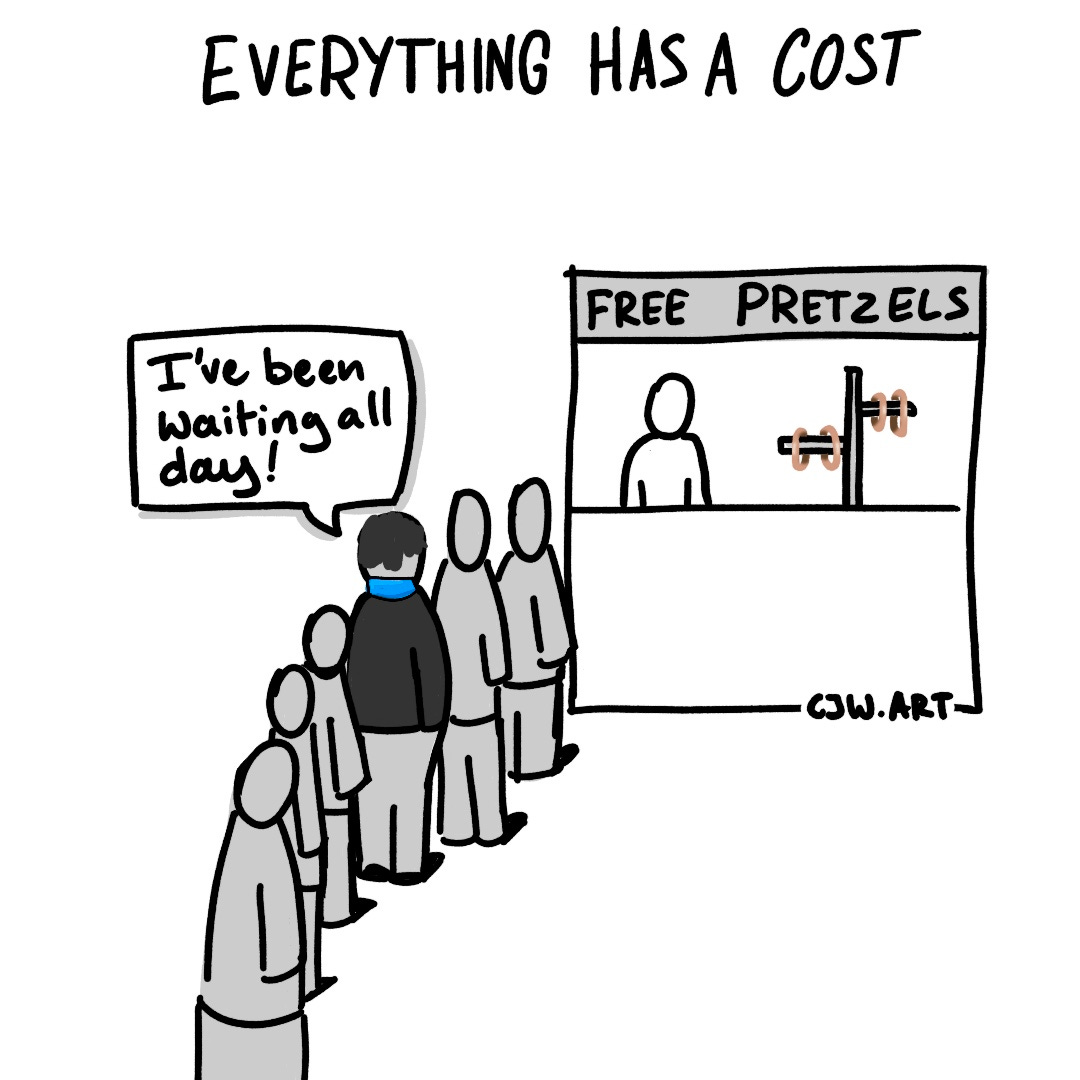
In The Office, a character stands in line all day to get a free pretzel. But he could have spent that time selling and bought one himself -- far more efficiently. Similarly, many financial decisions carry invisible opportunity costs.
"Every decision has hidden costs and missed opportunities beyond the obvious price."
4. The Power of Compounding Is Far Greater Than People Expect
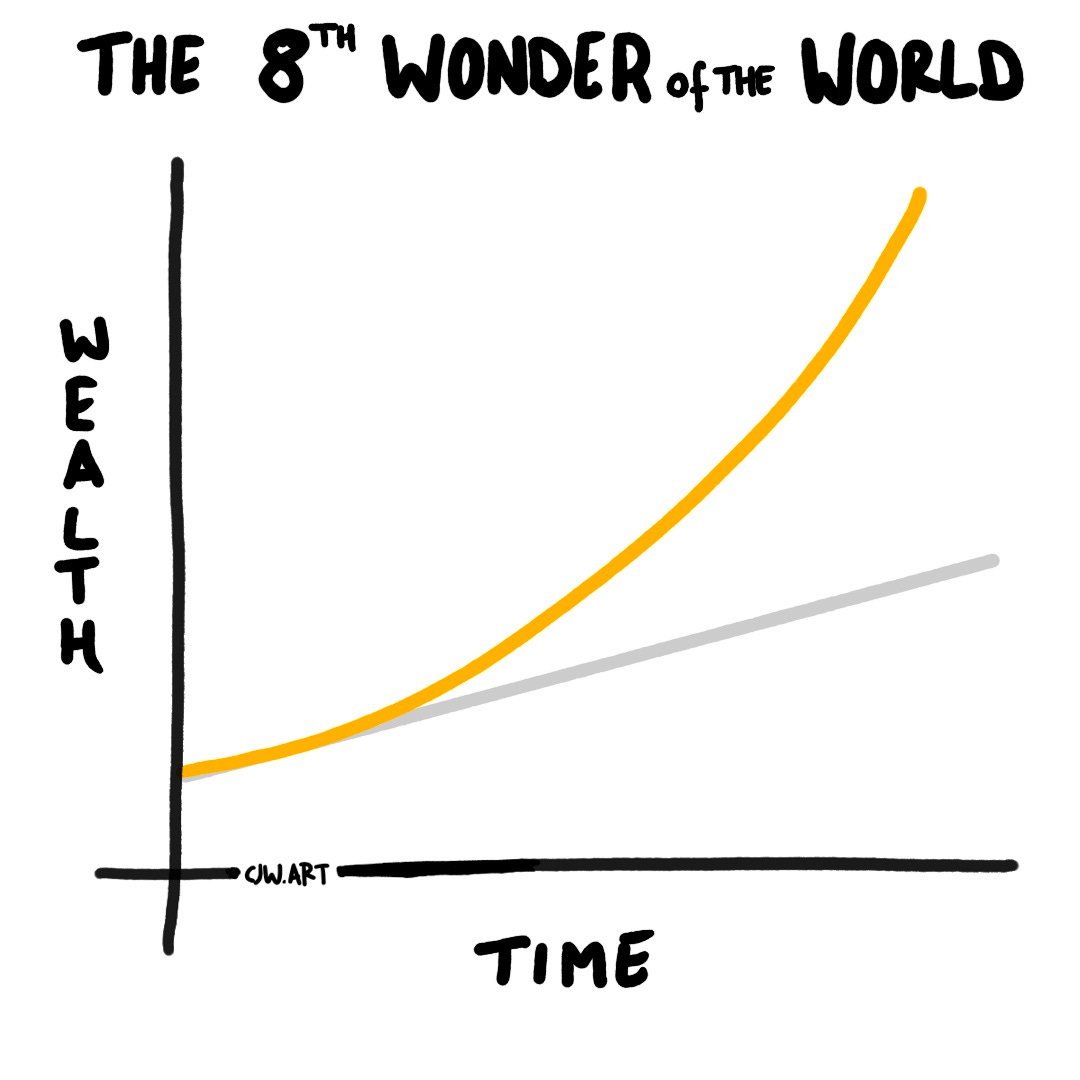
People fail to adequately predict the results of compounding (interest earning interest). For instance, it's hard to grasp that if an infectious disease spreads from 2 people to 2 more people repeatedly, it could infect the entire world in just 32 cycles.
"Compounding looks insignificant at first, but over time its results are enormous."
5. The Ability to 'Preserve' Wealth Matters Too
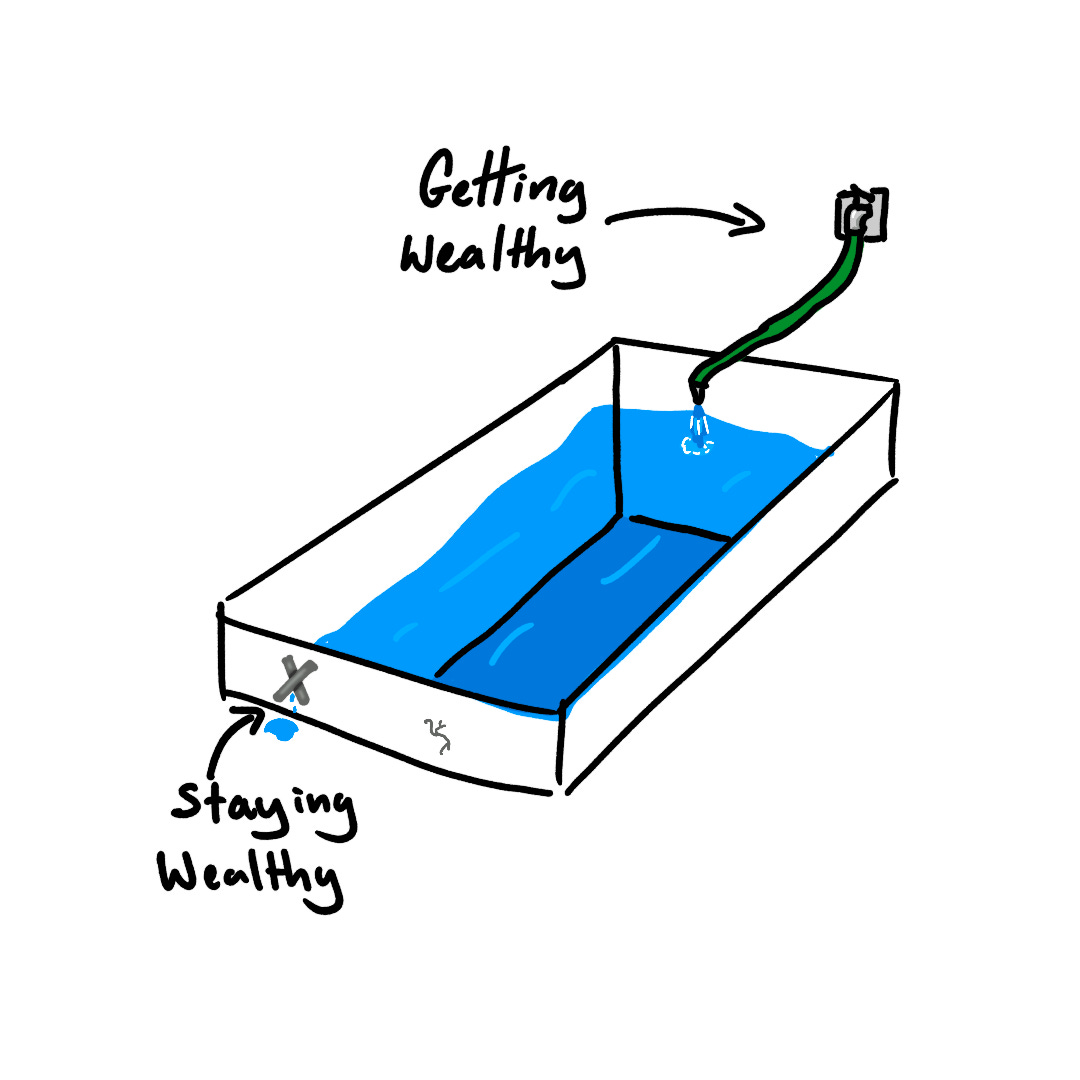
The ability to build wealth and the ability to keep it are completely different things. As income grows, it's easy to fall into the trap of spending growing even faster, so you need the skills and mindset to preserve wealth.
6. Most Investments Yield Small Gains or Losses; Only a Rare Few Hit Big

Returns from most investments are small or even negative, and only a rare few produce large gains. Venture capitalists (VCs) exploit exactly this structure.
"Your risk tolerance should be determined by yourself. Don't follow others -- invest at a level you can handle."
This strategy means running your portfolio so that most of it is safe while a portion aims for bigger returns.
7. True Wealth Is the Freedom to Live Life on Your Own Terms
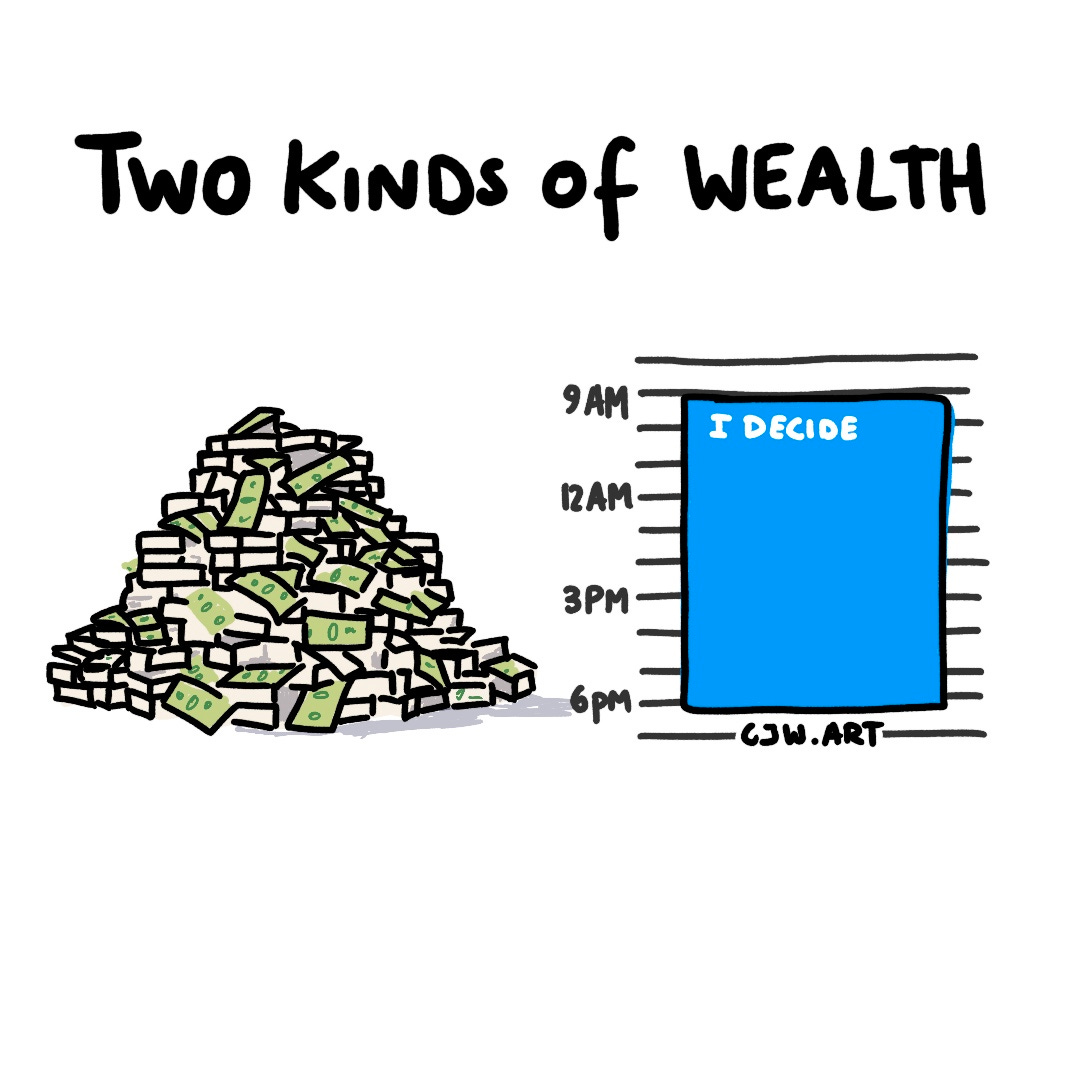
Morgan Housel describes the greatest benefit of money this way:
"The ability to do what you want, with whom you want, when you want, for as long as you want. That is the highest dividend money pays."
Don't forget that money itself should not become the goal.
8. Spending to Impress Others Won't Fill Your Heart
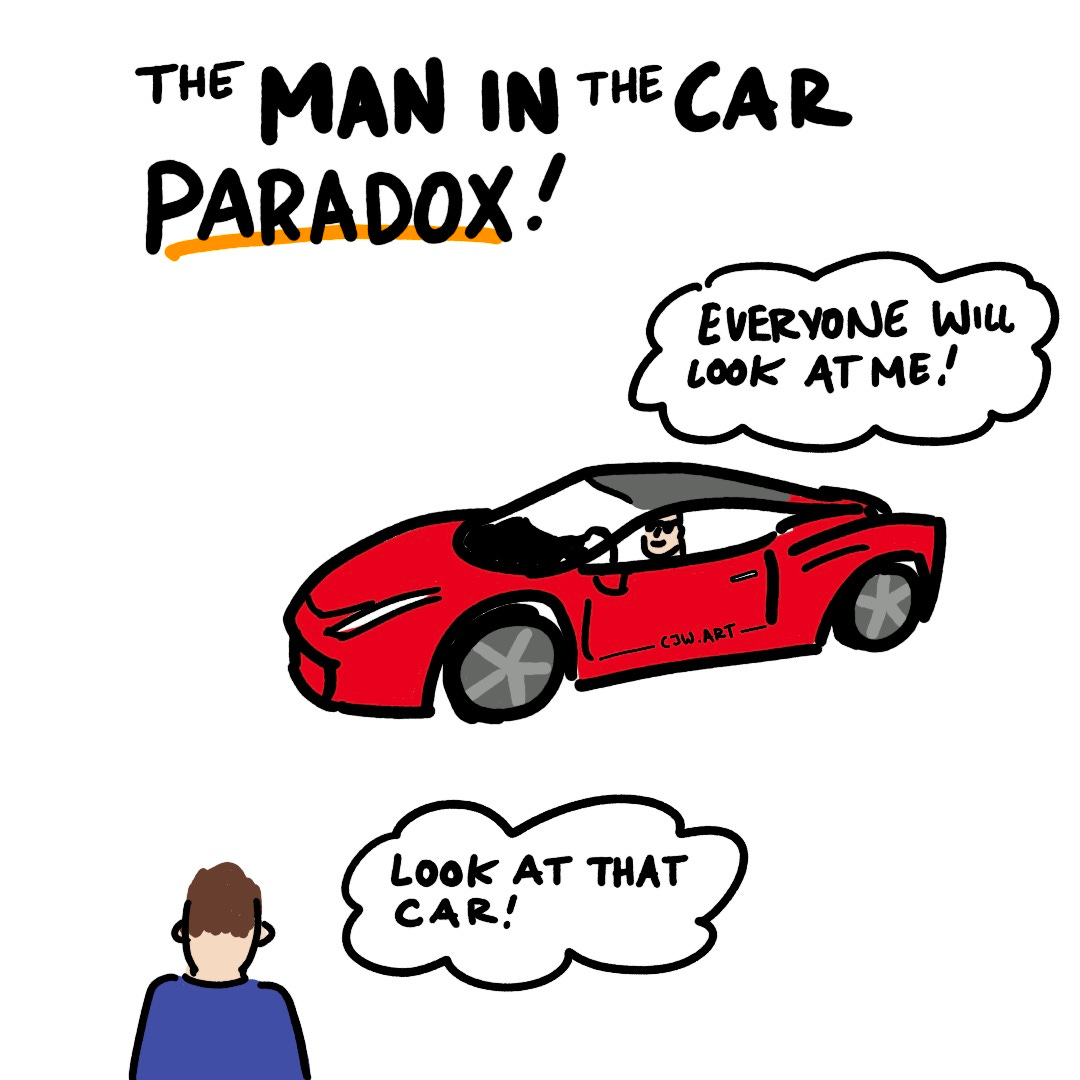
The reason for buying flashy cars or luxury goods is often the desire to attract others' attention, but in reality, others only see the possessions themselves, not us.
True satisfaction comes not from external validation but from intrinsic values.
"If you want external admiration, kindness and generosity are far more effective."
9. Develop a Sense of 'Enough'

Have you ever experienced results that exceeded your expectations? But in reality, expectations are more often unmet. What matters is the sense of "enough" -- being able to be satisfied with your own standard of living without comparing yourself to others.
10. Hold Both 'Optimism and Pessimism' -- The Barbell Approach

The author calls this a 'barbell personality.' Be optimistic about the future to seize opportunities, while simultaneously being thoroughly cautious about things that could put you at risk. Maintaining your health so you can fully enjoy future benefits is one example of this balance.
Conclusion
'The Psychology of Money' transforms how you think rather than just teaching financial knowledge. True wealth is 'the freedom to live the life you want,' and if you reflect on your attitudes and habits toward money, you can lead a more meaningful and wise financial life. View money through the lens of your own standards, intrinsic values, and a balanced attitude.