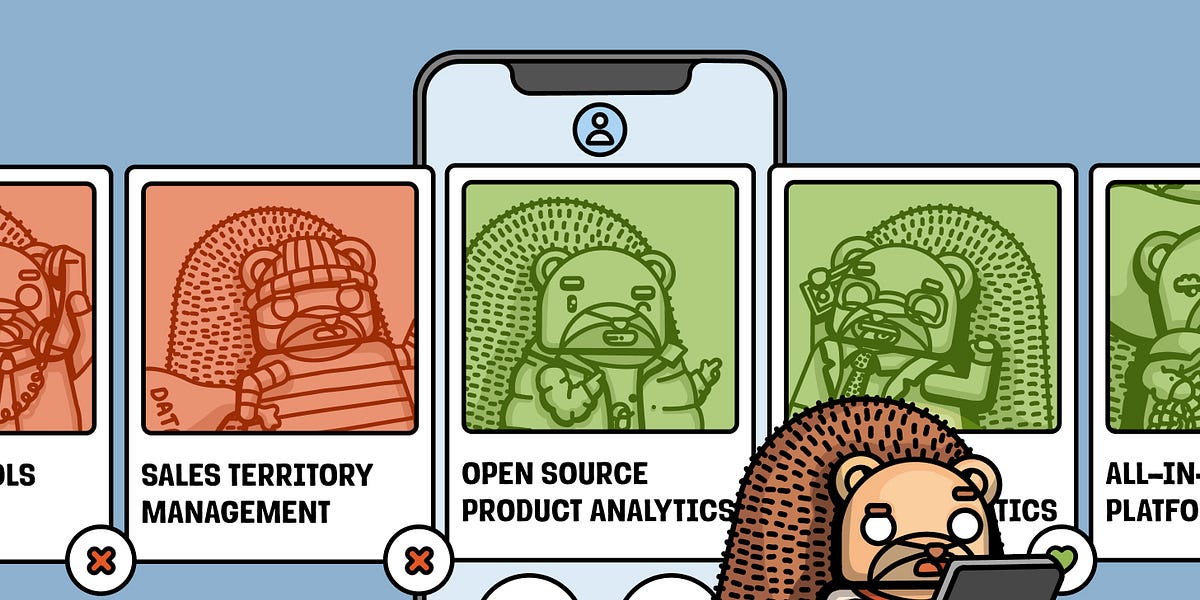
When a new product idea strikes, the urge to start building immediately is irresistible -- but this is a trap that many founders fall into. Success requires going through a "Validation" process. This article draws on PostHog's story of five pivots to explain three core validation stages (problem, solution, product) in detail. It goes beyond simply generating ideas to provide a concrete guide for solving real user problems and building sustainable products.
1. The Idea Trap and the Beginning of Validation
When a new product idea pops into your head, you often think, "This is genius! People are going to love it!" and want to jump straight into development. But this is a dangerous trap.
Many founders fall into this trap, spending weeks, months, or even years building something nobody wants. They missed one simple thing from the very beginning: validating the idea.
PostHog's founders James and Tim learned this the hard way. They pivoted five times before landing on what PostHog is today.
"We had so many terrible ideas."
James recalls. What told them how bad their ideas were was the validation process itself. This article shares the validation playbook they actually used.
Before diving into the validation stages, there is something you need to prepare first. An idea should not be a vague "thought" -- it should take the form of a specific problem that a specific customer needs solved. The best case is solving a problem you have personally experienced.
For example, the founder of fintech company Mercury was frustrated by how static existing banking systems were. The founders of Deel struggled with legal issues and costs when hiring internationally. The ElevenLabs founders felt that movies dubbed in their native Polish sounded too monotone and wanted to fix this with AI.
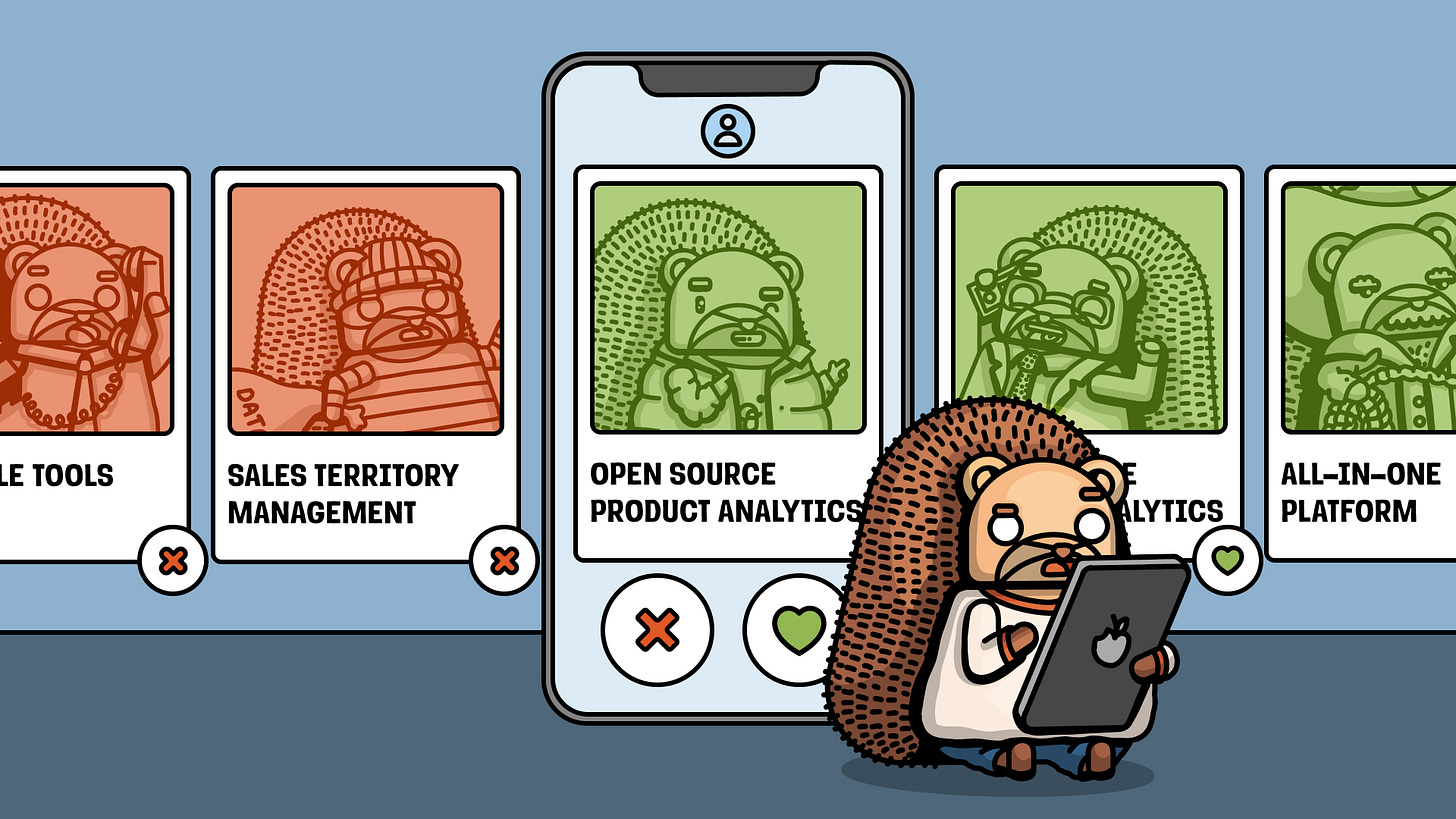
PostHog's James also listed out problems he had encountered throughout his career across three pages of a Google Doc. Many were terrible ideas, like "a 1:1 tool with predictive analytics for managers." But through validation, they filtered out the bad ideas and found the real one: PostHog, an open-source product analytics tool for engineers. Ironically, they started building it because the existing analytics tools they were using to validate other ideas were so frustrating.
2. Step 1: Validate the Problem (Is It a Real Problem?)
Once you have a problem you want to solve, it is time to start the first step: talking to potential users. Nobody is going to do this for you. Even while building a website, James was reaching out to acquaintances for introductions and cold-contacting strangers to set up at least two meetings a day.
The most important thing at this stage is not to worry too much about audience, solution, or uniqueness yet. If the problem people face is truly burning, the details will sort themselves out naturally. The hardest part of the validation process is not analysis -- it is getting people to talk to you.
Here are a few tips for successful interviews:
- Leverage your network: Find friends, former colleagues, followers -- people who would be willing to respond.
- Ask for introductions: Contacts can introduce you to other relevant people. Mercury's founder said, "The most helpful person was someone I was introduced to through four degrees of separation."
- Keep it brief: Instead of long messages, write 2-3 sentences, make it clear you want feedback. Never try to sell at this stage.
- Move fast: Startups are a speed game. Respond to messages immediately.
- In-person interviews: When possible, meet face-to-face to read context and nonverbal cues.
Once you have interviews lined up, there are exactly two things to confirm:
- Do they actually have this problem? Focus on the situation and dig into specifics.
- What have they done to solve it? If they have cobbled together their own makeshift system, that is a good business opportunity.
"It's hard to manage."
Do not stop at this kind of answer -- dig deeper to uncover the details. If the problem is not urgent for users or they are not excited to talk about the topic, it is time to boldly pivot to a different problem.
Traps to watch out for:
- Asking "What do you think of my idea?": Most people will just say "Looks good" to get you to stop talking. That is not validation.
- Imitating Steve Jobs: Do not blindly trust the saying "Customers don't know what they want." Unless you have Jobs-level product instinct, you need the validation process to fill that gap.
- Overly serious business validation: You do not need to run focus groups or commission grand market research. You are not writing an academic paper. Do not be afraid of looking foolish -- move fast.
3. Step 2: Validate the Solution (Does My Solution Work?)
Once you have confirmed that people desperately want a solution, it is time to validate your solution. This stage is not about confirming the problem is real -- it is about confirming whether your proposed solution is viable. If you have a co-founder, it is ideal for one person to focus on building the product while the other goes all-in on validation.
PostHog had early failures too. They built a complex sales management tool leveraging James's sales experience, but when 15 leaders said they would use it and were sent the link, only one person clicked -- and that person did not even log in. That was a clear signal that it was not what users wanted.
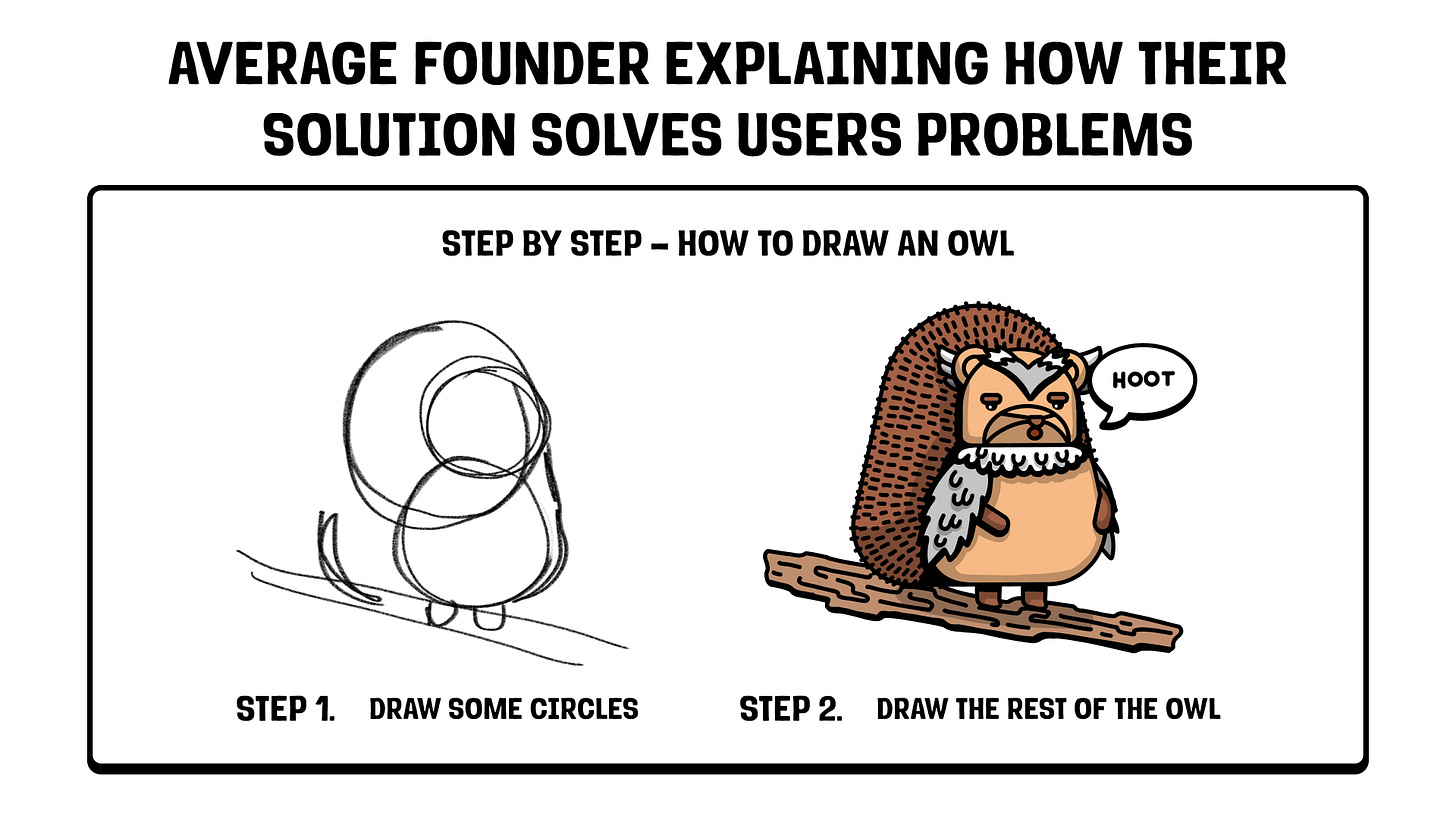
Just as defining the problem matters, clearly explaining the solution is equally important. You need to logically connect how your solution addresses their problem. Dropbox validated demand by gathering thousands of signups from a single demo video before the product was even built.
If you are having trouble convincing users, check whether you lack "street cred." There is a reason Y Combinator founders flaunt their past successes or credentials -- it is about instilling belief that they "can deliver," even before they have.
The PostHog team proactively addressed reasons why users might not trust them:
- Seeming illegitimate: Inspired by GitLab, they made their company handbook public to project the image of a legitimate organization.
- Data security concerns: They open-sourced their code and enabled self-hosting to resolve trust issues.

Airbnb's founders also boosted credibility early on by personally visiting hosts to take professional photos when the amateur listing photos were turning away potential guests. In the early stages, adding a bit of "polish" in the right places can have an outsized effect.
4. Step 3: Validate the Product (Are Users Staying?)
The final stage is validating the product through user retention. If users keep coming back, it means you are repeatedly solving their problem, and that is a signal to invest further in product development.
At this stage, simply follow a straightforward product improvement loop:
- Listen to feedback
- Build (or fix) the product
- Get users to use it
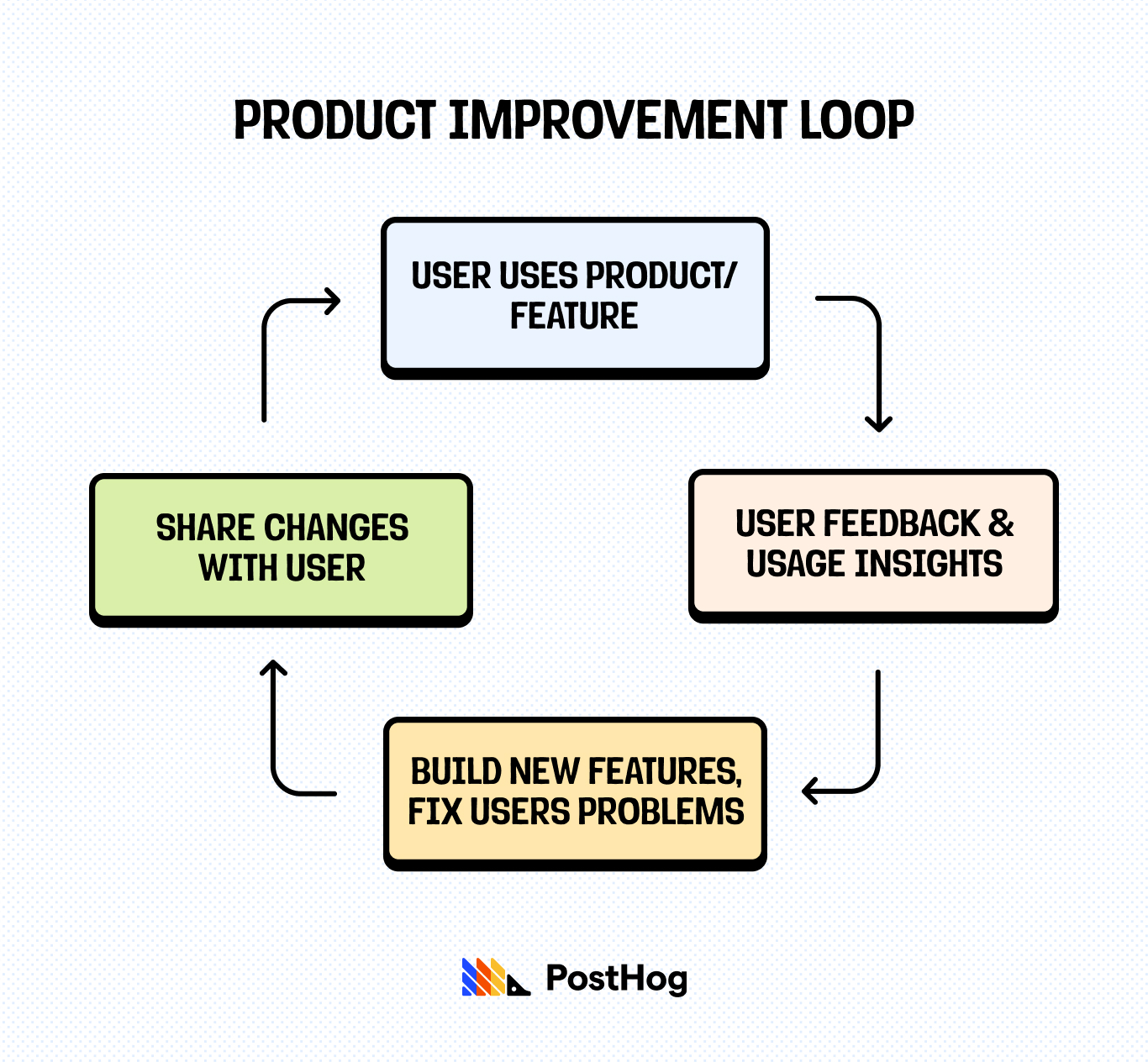
Running this loop quickly leads to rapid product improvement and creates great experiences for early users, who then spread the word. The only weapon a startup can compete with is speed.
The key metric to watch at this stage is the retention curve. As shown in the graph below, there should be a point where users level off rather than dropping to zero over time.

Beyond retention, you can also validate the product through session replays that show where users struggle, the activation stage where users first experience the product's value, and the most definitive proof of all: revenue. If feedback conflicts, listen more closely to the voice of your ideal customer profile (ICP).
5. In Closing: Validation Never Ends
Congratulations! If you have passed all three stages, your idea is validated and you are on the path toward the promised land of product-market fit.
But remember: validation never stops. Even as your company grows, you must continue validating new features on the roadmap, understanding your users' real problems, and incorporating feedback.
"As you get more users, you get to see around corners."
-- Ali Rowghani
Validation is not just a skill for early-stage startups. It is a fundamental discipline useful at every stage of a company. Even if you are not a founder right now, cultivating and practicing the ability to validate will be a tremendous asset in the future.