
Metabolism refers to all chemical reactions occurring within an organism to sustain life. It is broadly divided into catabolism, which breaks down substances to obtain energy, and anabolism, which uses energy to synthesize needed materials. These processes are precisely regulated through enzymes, converting nutrients into cellular building blocks or energy to enable growth, reproduction, and environmental responses. From bacteria to elephants, all living organisms share remarkably similar metabolic pathways that have evolved over time.
1. What Is Metabolism?
The word metabolism comes from the Greek word meaning "change." Simply put, it is the total collection of life-sustaining chemical reactions that organisms carry out within their bodies.
The main functions of metabolism can be summarized in three points:
- Converting energy from food into forms cells can use.
- Transforming food into biomolecular building blocks like proteins, lipids, nucleic acids, and carbohydrates.
- Excreting waste products generated by metabolic processes.

All these reactions are possible thanks to catalysts called enzymes, which help energy-requiring reactions occur naturally and regulate reaction speed according to cellular conditions and signals.
Metabolism divides into two directions:
- Catabolism: The process of breaking down substances to obtain energy (e.g., cellular respiration). Usually releases energy.
- Anabolism: The process of synthesizing substances using energy (e.g., protein synthesis). Usually consumes energy.
An interesting point is that basic metabolic pathways are remarkably similar from the tiniest bacteria to enormous elephants, suggesting that metabolic systems formed very early in evolution and were maintained due to their efficiency.
2. Key Molecules That Constitute Life
Life is composed of four basic molecular types. Metabolic reactions focus on making these molecules or breaking them down for energy.
Amino Acids and Proteins
Proteins are macromolecules made of amino acid chains. Many proteins act as enzymes that catalyze chemical reactions and serve as structural scaffolding for cells. They are also essential for immune responses and cell signaling.
Lipids
Lipids are the most diverse biomolecules, primarily composing cell membranes or storing energy. They are characteristically hydrophobic.
Carbohydrates
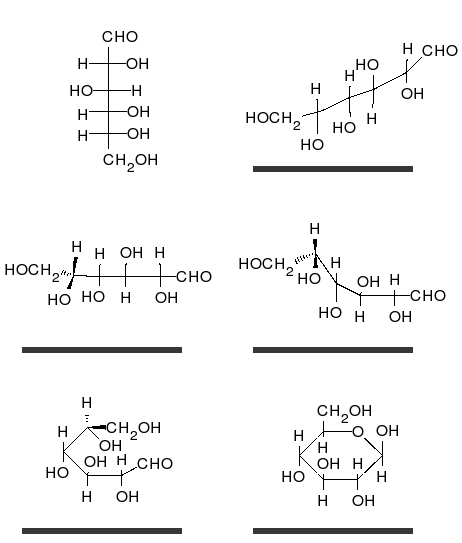
Carbohydrates are the most abundant biomolecules on Earth. They store and transport energy (starch, glycogen) or form structures like plant cell walls (cellulose). The most basic unit is a monosaccharide like glucose.
Nucleic Acids
DNA and RNA store and utilize genetic information. They are composed of nucleotide building blocks that carry the blueprint-like information of living organisms.
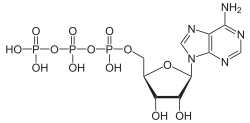
ATP (adenosine triphosphate) plays a central role in all these metabolic processes, acting as the cell's energy currency -- storing energy earned through catabolism and delivering it where needed for anabolism.
3. Catabolism: The Process of Obtaining Energy
Catabolism is the process of breaking large molecules into smaller pieces -- like demolishing a building to retrieve bricks. Energy is released in this process, and organisms use it to survive.
Digestion and Breakdown
Macromolecules (proteins, polysaccharides, lipids) cannot be directly absorbed by cells. They must first be digested into smaller units (amino acids, monosaccharides, etc.).

Obtaining Energy from Organic Compounds
- Carbohydrates: Glucose is broken down through glycolysis into pyruvate, producing ATP. With sufficient oxygen, more energy is produced through the citric acid cycle; without oxygen, fermentation produces lactate.
- Fats: Fatty acids are broken down through beta-oxidation and enter the citric acid cycle, potentially yielding more energy than carbohydrates.
- Amino acids: Excess amino acids can also be oxidized for energy. The toxic byproduct ammonia is converted to urea for excretion.

4. Secrets of Energy Conversion
Organisms don't use energy from food or sunlight directly -- they convert it into efficient forms.
Oxidative Phosphorylation
This process occurs in the mitochondria, the cell's power plants. Electrons obtained from nutrient breakdown pass through the electron transport chain, releasing energy that pumps protons (H+) across the membrane. The resulting proton concentration gradient drives ATP synthase to mass-produce ATP.

Inorganic and Solar Energy
Not all organisms eat organic matter. Some microorganisms (chemoautotrophs) obtain energy by oxidizing inorganic substances like hydrogen or hydrogen sulfide. Plants and cyanobacteria capture solar energy through photosynthesis to make ATP and convert carbon dioxide into glucose.
5. Anabolism: The Process of Building Life
Anabolism is the constructive process of using energy from catabolism to synthesize complex molecules. It connects small, simple precursors to build the macromolecules life needs.
Photosynthesis and Carbon Fixation
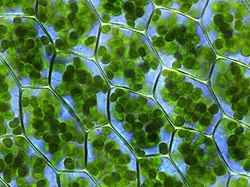
Plants use sunlight, carbon dioxide, and water to synthesize organic compounds, with oxygen as a byproduct. Through the Calvin cycle, they fix atmospheric carbon to produce sugars.
Synthesis of Carbohydrates and Lipids
- Gluconeogenesis: The process of making glucose from simple substances like pyruvate or lactate. Crucial for organs like the brain that use glucose as their primary energy source.
- Fatty acids and sterols: Fatty acids are synthesized from acetyl-CoA. Important lipids like terpenes and steroids are made by linking isoprene units. Cholesterol is also produced through this process.

Synthesis of Proteins and Nucleic Acids
Different organisms can synthesize different amino acids. Humans cannot make some amino acids and must obtain them from food -- these are essential amino acids. Amino acids are linked in order at ribosomes according to DNA's genetic information to become proteins with unique functions.
6. Regulation and Evolution of Metabolism
Living organisms maintain homeostasis -- keeping internal conditions stable even when the environment changes. Metabolic reactions are precisely regulated to achieve this.
Regulatory Mechanisms
- Intrinsic regulation: Enzyme activity is automatically adjusted based on substrate and product quantities.
- Extrinsic regulation: In multicellular organisms, signals like hormones regulate cellular metabolism. For example, when blood sugar rises, insulin is secreted to command cells to absorb glucose and store it as glycogen or fat.

Evolution and Commonality
Core metabolic pathways (glycolysis, citric acid cycle, etc.) are found across all domains of life -- bacteria, plants, and animals. This suggests all life descended from a common ancestor (LUCA). These pathways were completed very early and maintained through evolution due to their high efficiency.

7. History and Methods of Metabolism Research
Early Research
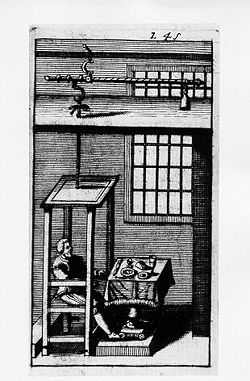
One of the earliest metabolism experiments was conducted by Santorio Santorio in 1614. He weighed himself before and after eating, sleeping, and activity, discovering that most of the food consumed was lost through what he called "insensible perspiration."
In the 19th century, Louis Pasteur studied yeast fermentation, establishing that metabolism was linked to living activity, and Eduard Buchner discovered enzymes, opening the era of biochemistry.
Modern Research
Today, genomics and mass spectrometry are used to analyze all metabolic substances and pathways within cells simultaneously through systems biology. This has advanced metabolic engineering -- manipulating microbial metabolism to produce useful drugs or fuels.

Conclusion
Metabolism is not merely a list of chemical reactions but a ceaseless flow of energy and matter that makes life possible. In every moment we breathe, think, and move, thousands of metabolic reactions are taking place without rest inside our bodies. As of 2026, our deepening understanding of this complex network is advancing us toward treating disease and developing new biotechnology. The mystery of metabolism, the engine of life, continues to teach us much.