Since neurodegenerative diseases like Alzheimer's and Parkinson's still lack definitive cures, the role of nutraceuticals (functional food compounds) in regulating intracellular energy metabolism and oxidative stress is gaining attention. This review explains the mechanisms by which creatine, L-carnitine, melatonin, and resveratrol help generate energy in brain cells and prevent damage, analyzing their potential as adjunctive therapies to support existing treatments. While clinical trial results remain mixed, the findings suggest that early intervention before symptoms appear or combination therapy using multiple compounds could become important future treatment strategies.
1. Introduction: The Rise of Neurodegenerative Diseases and New Hope
As the global population ages, the number of patients with neurodegenerative diseases (ND) such as Alzheimer's disease (AD) and Parkinson's disease (PD) is rapidly increasing. Projections suggest there could be 152 million dementia patients by 2050. Unfortunately, current medical technology lacks fundamental therapies that can revive damaged neurons or completely halt disease progression.
Scientists are therefore turning their attention beyond drug therapy to lifestyle modifications and nutritional approaches. In particular, food-derived compounds called nutraceuticals are drawing interest for their ability to bolster cellular defenses and slow neuronal death. This article takes a detailed look at four representative compounds that may benefit brain health: creatine, acetyl-L-carnitine, melatonin, and resveratrol.
Neurodegeneration has been identified as a core pathophysiological process underlying the majority of neurological diseases. (...) Since fully differentiated neurons do not efficiently regenerate, their progressive death alters the structure and function of neural networks.
2. Why Do Neurons Die? Key Pathological Mechanisms
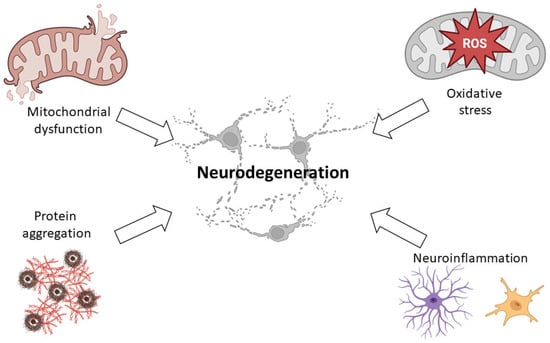
Although neurodegenerative diseases present different outward symptoms, the events at the cellular level are remarkably similar. The most critical issues are accumulation of abnormal protein aggregates, mitochondrial dysfunction, and oxidative stress and inflammation.

- Collapse of protein homeostasis: Misfolded proteins like beta-amyloid in Alzheimer's disease or alpha-synuclein in Parkinson's disease accumulate in the brain and cause toxicity.
- Mitochondrial dysfunction: The brain consumes enormous amounts of energy, so when its power source—the mitochondria—malfunctions, the consequences are devastating. This process generates excessive reactive oxygen species (ROS), which attack cells and create oxidative stress.
- Neuroinflammation: Immune cells in the brain become chronically activated and end up attacking neurons in a vicious cycle.
3. Key Diseases: AD, PD, and Organic Acidemias
This review focuses on two representative neurodegenerative diseases and one metabolic disorder that primarily affects children.
Alzheimer's Disease (AD) and Parkinson's Disease (PD)
Alzheimer's disease begins with memory decline and progresses to total cognitive collapse. It is characterized by amyloid plaques and tau tangles in the brain. Parkinson's disease, on the other hand, primarily presents with movement disorders—slowed movement and tremors—caused by the death of dopamine neurons and the formation of protein aggregates called Lewy bodies.
Organic Acidemias (OAs)
This may be less familiar: organic acidemias are inherited metabolic disorders in which specific enzyme deficiencies cause organic acids to accumulate to toxic levels in the body. They primarily affect children and cause brain damage and developmental delays. Interestingly, these conditions also share pathophysiology with age-related neurodegenerative diseases, as mitochondrial dysfunction and energy deficiency are the primary causes of neural damage.
The mechanisms of neurodegeneration in organic acidemias are complex, but mitochondrial dysfunction and energy deficiency are at the core of pathological changes. The accumulating metabolites are believed to exhibit direct neurotoxicity by interfering with the activity of key mitochondrial enzymes.
4. Creatine: An Energy Charger for the Brain
Creatine is famous as a fitness supplement, but it's also critically important for brain health. Our bodies synthesize creatine in the liver and kidneys, and we also obtain it through red meat and fish.
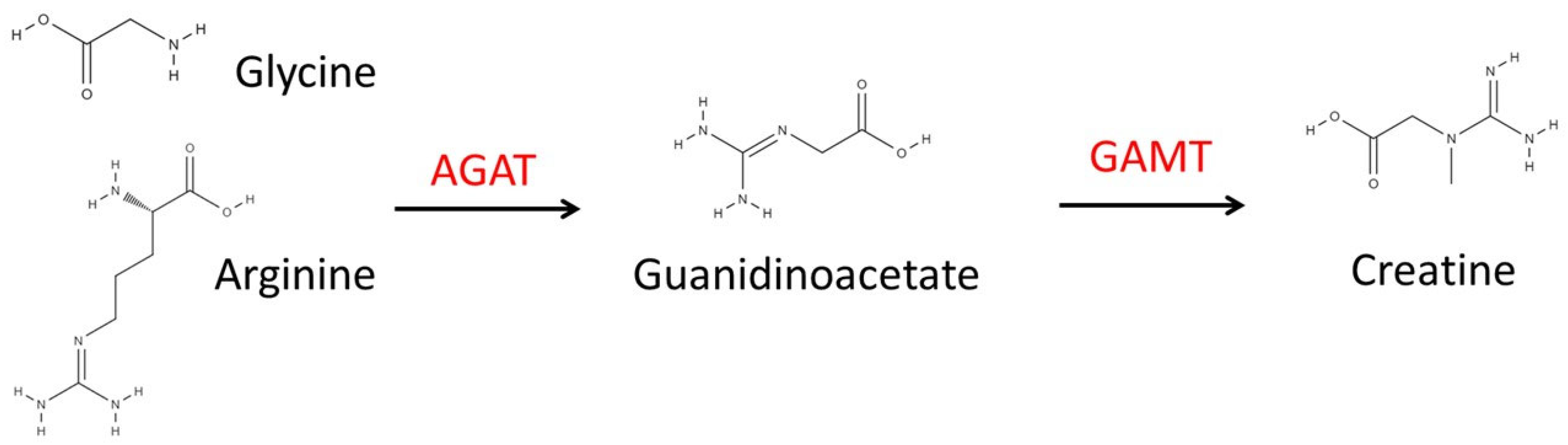
- How does it work? Creatine is stored in cells as 'phosphocreatine' and instantly regenerates ATP (the energy currency) when energy is urgently needed. Since the brain uses a lot of energy, creatine deficiency can impair cognitive function.
- Research findings: Animal studies have shown numerous results indicating creatine protects neurons and extends lifespan. However, large-scale clinical trials in Parkinson's and Huntington's disease patients unfortunately failed to show clear effects in slowing disease progression.
- A hopeful note: A recent study in Alzheimer's patients reported that creatine supplementation increased brain creatine levels and slightly improved memory. The near-absence of side effects is a major advantage, suggesting it may be best used for prevention before symptoms appear.
5. Melatonin: It Does More Than Help You Sleep
Melatonin is well known as the sleep hormone, but it's also a powerful antioxidant. It's produced by the pineal gland in the brain and is also found in foods like eggs, fish, and nuts.

- A powerful shield: Melatonin easily crosses the blood-brain barrier (BBB) and penetrates deep into cells. It is particularly excellent at protecting mitochondria and scavenging reactive oxygen species.
- Research findings: In animal models, it has been shown to enhance cognitive function and reduce inflammation. In human clinical trials, rather than treating Alzheimer's or Parkinson's disease itself, melatonin showed significant effectiveness in improving patients' sleep disorders, anxiety, and depression—which is crucial for enhancing quality of life.
Thanks to its unique amphiphilic nature (possessing both hydrophilic and hydrophobic properties), melatonin can freely cross the blood-brain barrier and enter cellular organelles. Once inside the cell, it acts as a potent antioxidant, directly scavenging reactive oxygen species and upregulating antioxidant enzymes to protect neurons from oxidative stress.
6. L-Carnitine: The Fuel Transport Truck for Mitochondria
L-carnitine (LCAR) plays the role of transporting fatty acids into the interior of mitochondria. Fatty acids must get inside to be burned for energy production. While our bodies synthesize it, levels can become insufficient with aging or stress, requiring intake through red meat and other sources.

- Brain health and Acetyl-L-Carnitine (ALCAR): In the brain, the 'acetyl-L-carnitine' form is particularly important as it crosses the blood-brain barrier efficiently and also aids in producing the neurotransmitter acetylcholine.
- Research findings: In cell and animal studies, it showed clear effects in boosting energy and preventing cell death. However, clinical trial results in Alzheimer's and Parkinson's patients have been mixed—some studies show benefits, others don't. On the other hand, positive effects in reducing inflammation and oxidative damage have been confirmed in patients with organic acidemias.
7. Resveratrol: The Secret of Red Wine
Resveratrol is a polyphenol compound found in grape skins, peanuts, and berries. It's a substance plants produce to protect themselves when under stress. It's also the star of the 'French Paradox' (the observation that the French have low rates of heart disease despite consuming rich, fatty foods).
- The longevity gene switch: Beyond being a simple antioxidant, resveratrol activates SIRT1, a longevity-related gene. Through this, it suppresses inflammation and enhances mitochondrial function.
- Limitations and potential: Resveratrol's biggest drawback is its poor absorption when consumed orally (low bioavailability). Nevertheless, clinical trials using high-dose resveratrol have shown encouraging results—inflammatory markers in the cerebrospinal fluid of Alzheimer's patients decreased, and cognitive decline was somewhat mitigated.
8. Discussion: Stronger Together?
These four compounds work in different ways, but they ultimately share the common goal of supporting energy metabolism and reducing oxidative stress.
- Potential for combination therapy: For example, research shows that using creatine and L-carnitine together improves energy efficiency in muscle cells. A similar effect could occur in brain cells. Additionally, a synergistic effect could be achieved if resveratrol sends signals to activate defense systems while melatonin cleans up reactive oxygen species.
- Timing is critical: Many clinical trials may have failed because treatment began after too many brain cells had already died. Since nutraceuticals work by strengthening living cells rather than reviving dead ones, using them before symptoms appear or at an early stage would be far more effective.
Creatine and L-carnitine modulate energy metabolism to support ATP homeostasis and mitochondrial function, which is particularly important in the energy-deficient conditions observed in neurodegenerative diseases. Furthermore, melatonin and resveratrol serve as powerful modulators of redox balance (...) alleviating the vicious cycle of neuroinflammation.
9. Conclusion
Neurodegenerative diseases remain an unconquered frontier. Nutraceuticals like creatine, L-carnitine, melatonin, and resveratrol aren't magic pills that cure disease overnight, but they hold considerable promise as excellent adjuvant therapies that build up the foundational health of cells.
Future research should target people with early-stage disease or preclinical symptoms rather than those with advanced illness, and should move toward combining multiple compounds or using them alongside existing medications for synergistic effects. Remember: the food we eat can serve as a shield protecting our brains.