This summary covers the key content of Chapter 3, 'Three Levels of Design: Visceral, Behavioral, and Reflective,' from Donald Norman's Emotional Design, organized chronologically in detail. The text begins with 'water bottle design' and calmly addresses the concept of each design level, real-world examples, commercial applications, controversies, and limitations. The core takeaway is that the emotional, functional, and cultural dimensions of 'good design' that we experience in daily life are each distinct, and outstanding design achieves balance among all three.
1. The Beginning of Emotionally Stimulating Design
The story starts with a simple personal experience with water bottle design. The author confesses to buying the German mineral water 'Apollinaris' not for its quality but because of the bottle's stunning appearance, colors, label, and font. This experience reveals the power that packaging and design have to transform even everyday consumer goods into "decorative objects."
"The green of the bottle, the beige and red of the label, and the brand's font transformed this mass-market commodity into a decorative piece for the kitchen."
"The success of a water brand ultimately depends not on its contents but on its packaging -- the bottle design."
In cafes, supermarkets, and restaurants, bottle design is becoming an 'art form.' Gradually, emotional connections begin linking brands to consumers.
2. What Are the Three Levels of Design?
The author describes the three layers of design that shape human emotions and experience -- Visceral, Behavioral, and Reflective. Each operates at a different level, governing our reactions, memories, and satisfaction.
Overview of the Three Levels
- Visceral Design: Immediate, biologically imprinted emotional responses (e.g., a stunning car exterior, a beautiful bottle)
- Behavioral Design: Satisfaction with usability and performance (e.g., convenience when using a product, tactile feel)
- Reflective Design: The meaning, symbolism, and cultural context displayed to oneself and others (e.g., luxury watches, water bottles with sentimental memories)
"Each level of design -- visceral, behavioral, and reflective -- contributes to building the user experience and plays an important role. But the approach is entirely different for each."
3. Visceral Design: Love at First Sight
This level is about the human instinct to respond immediately to sensory stimuli (color, shape, sound).
-
Evolutionarily
- The beautiful colors, symmetry, and scents of animals and plants evolved as important signals in interspecies interactions.
- Humans are similarly 'evolved' to respond to bright, vivid colors, symmetry, soft textures, and sweet tastes.
-
In Design
- First impressions (appearance, packaging, visual appeal) create powerful purchase motivation.
- "One look should evoke the feeling: 'Wow, I want to buy that.'"
- Representative examples include the Apple iMac, the 1961 Jaguar E-type, and premium water bottles.
"Visceral design produces immediate emotional impact. It should feel good to touch, look beautiful, and sound pleasing."
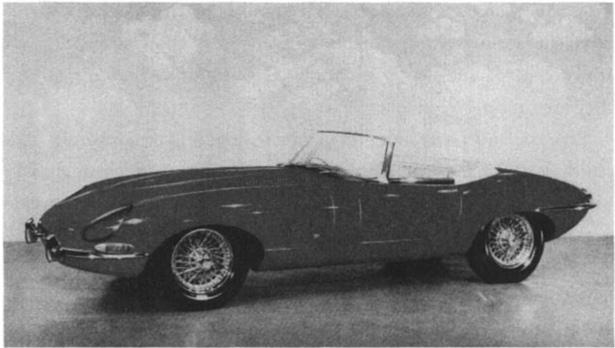
Designers must start from these visceral responses, and without success at this level, the product itself can be ignored.
4. Behavioral Design: The Importance of the Actual Use Experience
Once the visceral response passes, we soon begin actually using the product. This level focuses on function, comprehensibility, ease of use, and tactile qualities -- the actual "behavior."
- Key words: Function, understanding, usability, physical feel
"What does the product do? Does it work well? This is the core of behavioral design."
- Usability examples
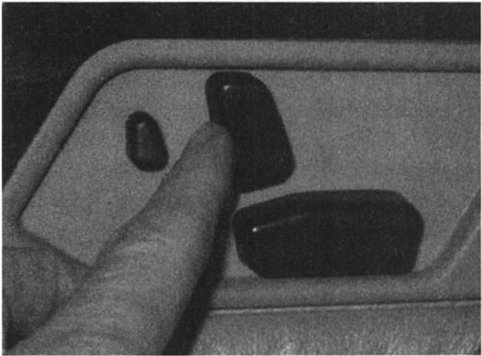
- Intuitive seat adjustment buttons (where the button layout matches the actual seat shape, as shown below)
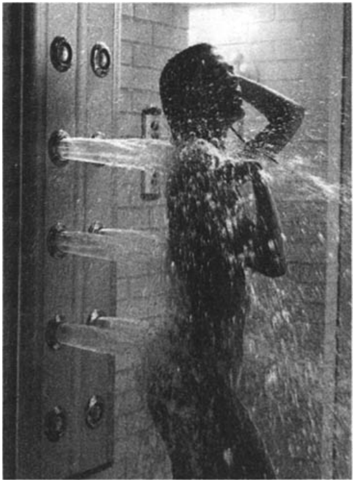
- The water stream of a showerhead, the grip of a knife, car cup holders -- resolving discomforts in real life
- Implications for the design process
- User observation is paramount.
- The cycle of observation -> implementation (prototyping) -> testing -> improvement must be repeated.
- Uncover hidden 'real' user needs (unarticulated needs).
"Finding the real needs of users is the true challenge of design. Many designers fail because they come up with ideas at their desks without observing users."
- The importance of tactile and physical qualities
- "Touch matters. Smooth metal, fine leather, precisely moving dials. These determine the satisfaction of a product."
5. Reflective Design: Meaning, Story, and Self-Expression
The final stage of the use experience is about 'meaning-making' and 'identity.' This level is entirely about what message owning or using a product sends to oneself and others.
- Representative examples
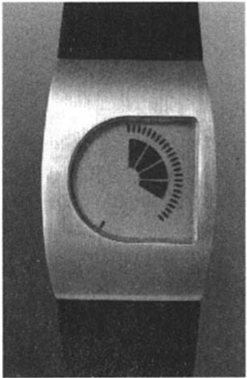
- Artistic or unique watches (e.g., Time by Design's 'Pie' watch)
- Owning luxury brands and symbolic objects
- Memories and culture evoked by products (e.g., keeping wine or premium imported water bottles as 'souvenirs')
- Key points
- "The value of reflective design lies in the cultural meaning a product provides and in one's own self-image."
- "Swatch is not a watch company -- it's an emotion company!"
- At the reflective level, the perception that 'expensive means special,' and the pride of ownership, drive purchases.
"The true value of a product lies beyond functionality, in meeting people's emotional and social needs."
-
Customer service is also part of reflective design
- It's not defects in the product itself, but the subsequent service experience, that can completely change a consumer's memory.
-
Examples from theme parks, luxury brands, and store experiences
- Reflective experiences have a decisive impact on customers' long-term loyalty and brand perception.
6. Commercial Applications and the Design of Seduction
The chapter specifically explores how design principles are "intentionally" applied in commercial settings.
- Example: Diesel stores
- Some stores are deliberately designed to be "hard to use" and confusing, so customers are compelled to seek out staff.
- At that moment, stylish employees appear like 'saviors' offering help, creating their own special experience and brand image.
"We didn't make the store user-friendly. Because customers have to interact with our staff."
- Commonly used techniques in supermarkets
- Essential products are placed deep inside the store, inducing various 'impulse purchases' along the way.
- Product display locations are frequently changed to increase impulse purchase probability along the customer's path.
"Make the most needed items the hardest to find; make impulse items extremely easy to buy."
- Limitations of this approach
- As customers increasingly catch on to these strategies, resentment and defection can follow.
- Between seduction and friendliness (e.g., Gap, Banana Republic -- stores with easy, comfortable navigation), there's no single right answer; the choice depends on the target customer.
7. Artistry vs. Mass Appeal: Vision and Process in Design
There is an inherent tension between design that pursues artistic, reflective values and design that seeks mass appeal through testing, compromise, and consensus.
- Design process
- Behavioral design benefits from usability testing and iterative design.
- Visceral/reflective design requires not compromise and consensus, but an extremely clear and original vision from one person or a small group for true innovation to be possible.
"A perfectly 'user-centered designed' work of art has neither innovation nor craftsmanship refinement, and even the creators and survey respondents don't like it."
- Conclusion
- "The conflict between mass appeal and artistry is an eternal debate. If you want great products, you also need the courage to believe in one person's intense vision."
Conclusion: Three Emotions, One Design
The author shows that behind the countless products we casually buy and use, three emotional layers -- visceral, behavioral, and reflective -- are intertwined. No single layer alone can make 'good design.' Only through different approaches and balance among them does design that delivers memorable experiences, satisfaction, and pride emerge. And this combination of emotions reminds us that the ultimate goal of human-centered design transcends markets, cultures, and technology.
"All design speaks to the three emotions within us: instinct, use experience, and deep meaning."