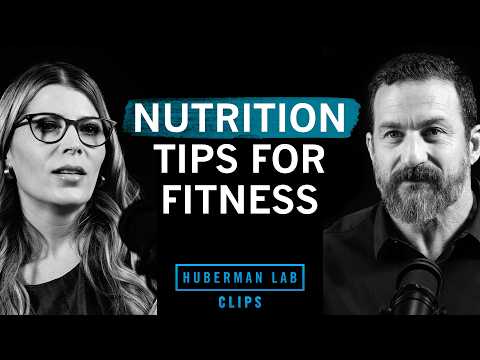
This video takes a detailed look at pre- and post-workout nutrition strategies and their actual effects. It clarifies the differences between fasted and fed training, how caffeine influences performance, and the importance of post-workout protein intake — including a clear-eyed debunking of the "anabolic window" myth. The video emphasizes that muscle growth and fat loss adaptations work the same way for both men and women, and that total daily protein intake matters far more than the amount consumed in any single meal.
1. Fasted vs. Fed Training: Does It Differ by Sex? 🤔
The video opens with the fasted training vs. fed training debate, noting the heated online discussion around fasted training specifically for women. The scientific data, however, shows that muscle growth and fat loss adaptations are identical for both men and women.
"Muscle growth and fat loss adaptations are the same in men and women."
There was a long-held belief that fasted cardio was effective for fat loss, but this has been debunked — short-term increases in fat oxidation don't meaningfully translate into long-term reductions in body fat. The opposite claim — that fasted training leads to fat gain or muscle loss — is equally unsupported. When we wake up, our bodies still have glycogen stored, and most strength training doesn't deplete glycogen significantly. That said, for prolonged endurance sessions, eating something beforehand may be wise. The bottom line: whether to train fasted or fed comes down to personal preference.
2. Caffeine and Performance: Are You a Caffeine Addict? ☕
Dr. Andrew Huberman answers a question about pre-workout caffeine by saying he always has it, noting its primary effect is alertness. Those unaccustomed to caffeine may notice larger performance gains, while habitual users may experience little beyond that alertness boost. Caffeine is consumed daily by 90% of adults worldwide, yet caffeine research is notoriously difficult to conduct — asking participants to abstain for two weeks essentially turns the study into one about caffeine withdrawal. Dr. Huberman laughs and admits he is himself "a caffeine addict." 😂
"90% of adults worldwide drink caffeine every day." "I am a caffeine addict, and I'm proud of it."
3. Pre-Workout Nutrition: It's About How You Feel! ✨
If you do eat before training, you might wonder whether starchy carbohydrates offer any advantage. Because most strength training doesn't significantly deplete glycogen, pre-workout food is less likely to serve as direct fuel and more likely to influence how you feel. Some people feel more energized and focused after eating; others experience GI issues and prefer to train on an empty stomach. The composition of your pre-workout meal, then, matters more for digestion and personal comfort than for fueling the workout itself.
"It's very unlikely that the food you eat before a workout will actually be used as fuel during that workout."
4. The Anabolic Window Myth: Total Protein Beats Timing! ⏰
The "anabolic window" — the idea that you must consume protein within 30 to 90 minutes after training — has been a source of anxiety for a long time. Research, however, shows that protein synthesis after resistance training remains elevated for 24 hours or more. This doesn't mean you should wait 24 hours to eat, but it does mean that eating within 30 minutes versus 3 hours after training makes little practical difference for muscle adaptations.
"The old idea was that this anabolic window was very narrow — you had to chug a protein shake the moment you left the gym, otherwise the whole workout was wasted." "But we've found that the increase in protein synthesis after resistance training is prolonged, and it's still elevated 24 hours later."
There was also a popular claim that the body can only absorb 30g of protein at a time, but recent research shows that both men and women can assimilate up to 100g of protein after resistance training. What matters most is not maximizing protein per meal, but consistently meeting your total daily protein intake. How you distribute that total across meals should depend on your eating habits and what you can realistically sustain.
"What we should be focused on is not maximizing protein per individual meal, but maintaining consistent protein intake day over day and week over week."
Closing Thoughts
This video does an excellent job of using scientific data to cut through common misconceptions about exercise and nutrition — particularly around fasted training, the role of caffeine, and the flexible approach to post-workout protein timing. Ultimately, the most important takeaway is to listen to your own body and build sustainable habits you can actually stick to. 🌱💪